
The Baltic Air Cargo Symposium in Riga, Latvia, once again demonstrated that the Baltic region is steadily positioning itself as an increasingly important player in the European and Eurasian air cargo landscape. Bringing together airlines, airports, freight forwarders, exporters, GSSAs, logistics specialists and technology providers, the conference provided an extensive platform for discussing the future of air logistics in a rapidly changing world. In addition to important current topics, the 230 attendees were also given plenty of room for networking.
The event opened with strong contributions from the Latvian Minister of Transport, Atis Svinka, and Riga Airport (RIX)’s CEO, Laila Odina, who both emphasized the strategic importance of aviation and cargo development for Latvia and the wider Baltic region. Riga Airport’s ambitions to further strengthen its role as a regional cargo hub and airport city development project, formed an important backdrop to the discussions throughout the symposium.
The conference itself was expertly moderated by Finnair’s Head of Global Cargo Sales, Anna Maria Kirchner, whose experience and industry knowledge ensured lively discussions, strong interaction between speakers and participants, and a highly professional atmosphere during the entire event.
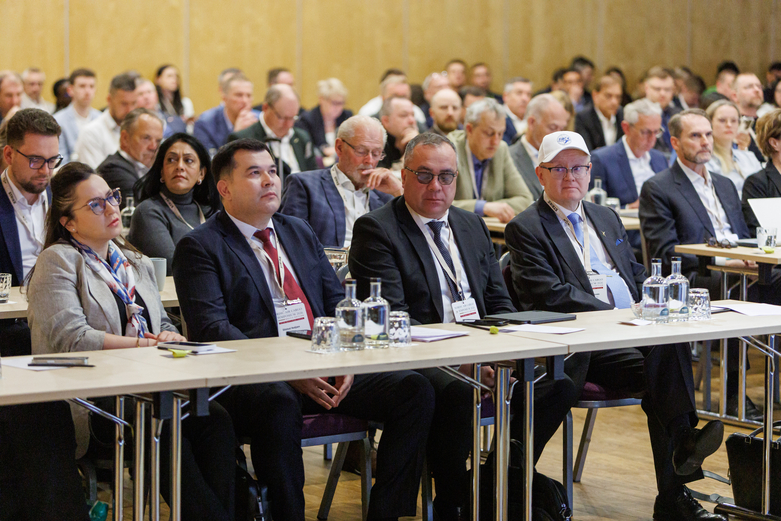
Disruptions often spur innovations
One of the central themes throughout the symposium was the review of current challenges and opportunities facing global air cargo. Speakers repeatedly referred to the turbulent geopolitical environment, changing trade patterns, inflationary pressure, rising fuel costs and the continuing need for resilient supply chains. At the same time, there was also a strong sense of optimism. The consensus among many participants was that periods of disruption often accelerate innovation and create new opportunities for collaboration.
Particularly interesting were the presentations and panel discussions involving senior industry executives such as Achim Martinka of logistics giant, DSV, and representatives from SAS Cargo and Fly Khiva. Their contributions highlighted how air cargo operators are adapting to changing market conditions, increasing customer expectations and the need for greater operational flexibility.
Several speakers focused on the evolving balance between passenger aircraft belly capacity and dedicated freighter aircraft. During the pandemic years, freighters proved indispensable for maintaining global supply chains, while the recovery of passenger operations has again increased available belly capacity. However, most experts agreed that both models will continue to complement each other in the future.
Many requirements determine future fleet decisions
An especially insightful presentation came from John Skelly of Airbus, who provided a fascinating overview of the next generation of freighter aircraft. His presentation explored both newly built freighters and converted aircraft entering the market in the coming years. Sustainability, fuel efficiency, operational flexibility and digital integration were identified as critical factors shaping future fleet strategies.
The symposium also highlighted how air logistics itself is evolving. E-commerce continues to transform cargo flows worldwide, demanding faster processing, increased digitalization and greater flexibility from airports and logistics providers alike. Pharma and life science logistics remain among the fastest-growing specialized cargo sectors, requiring highly controlled temperature-sensitive supply chains and extensive regulatory compliance. Seafood exports, particularly important for Northern Europe and Nordic markets, were also discussed as a key growth segment where speed and reliability remain essential.
Three countries, one common interest
Another important takeaway from the conference was the growing cooperation between the Baltic states. Estonia, Latvia and Lithuania naturally compete for cargo flows, airline services and logistics investments. Nevertheless, the symposium clearly demonstrated that the region increasingly recognizes the value of cooperation alongside competition. Shared infrastructure ambitions, multimodal connectivity and regional partnerships may strengthen the Baltic position within European logistics networks and create additional opportunities for future growth.
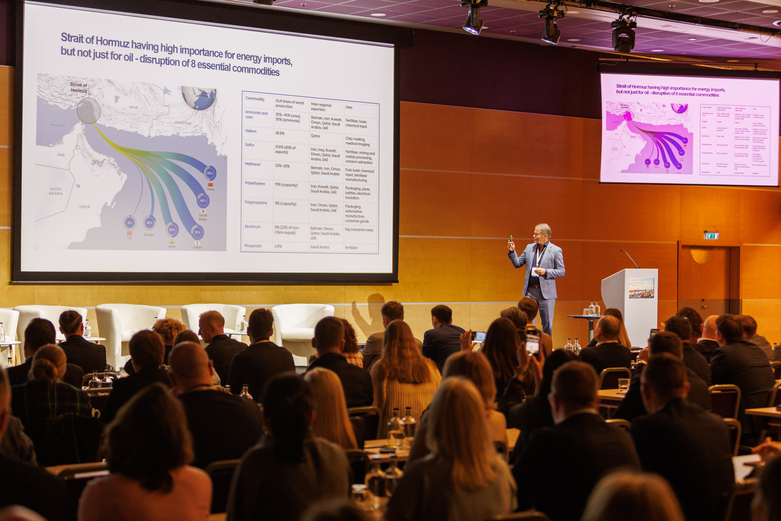
Essential priorities
Digitalization was another recurring topic throughout the event. Speakers acknowledged that the industry has already made considerable progress in areas such as electronic documentation, cargo visibility, data exchange and automation. However, there were also concerns about ensuring that ongoing geopolitical instability and economic uncertainty do not slow down or disrupt this digital transformation. Cybersecurity, operational resilience and harmonized international standards were all identified as essential priorities moving forward.
The geopolitical situation naturally remained impossible to ignore. Ongoing global tensions continue to influence routing structures, operational costs and strategic planning throughout the aviation and logistics industries. Rising fuel prices are putting additional pressure on airlines and freight operators, while uncertainty surrounding global trade patterns requires companies to remain flexible and adaptable. Yet despite these challenges, many speakers stressed that air cargo has repeatedly demonstrated its resilience during crises.
Intensive interaction
What also made the Baltic Air Cargo Symposium particularly successful was the exceptionally broad participation from across the industry. Airlines, airports, freight forwarders, exporters, handling agents, transport companies and GSSAs all contributed to highly valuable discussions and networking opportunities. The quality of both the presentations and audience interaction remained consistently high until the very final session.
Special recognition must go to Lars-Gunnar Comen and Natalie Comen of Euroavia for the excellent organization of the event. Their efforts created a professional and welcoming environment that allowed participants to exchange ideas openly and constructively. The Baltic Air Cargo Symposium in Riga ultimately demonstrated that, despite today’s geopolitical and economic uncertainties, the air cargo industry continues to look forward with determination, innovation and a growing willingness to cooperate. The Baltic region, with its strategic location, strong logistics ambitions, skilled workforce and increasing regional collaboration, may well become one of the more dynamic cargo markets to watch in the years ahead.