
Silk Way West Airlines has signed a new multi-year agreement with dnata for cargo and freighter handling at Singapore Changi Airport, reinforcing their long-standing global partnership. The deal covers the airline’s twice-weekly freighter services, totaling over 100 flights and more than 15,000 tons of cargo annually, including general freight, temperature-sensitive goods, and specialized shipments such as oil and gas and aviation/aerospace equipment.
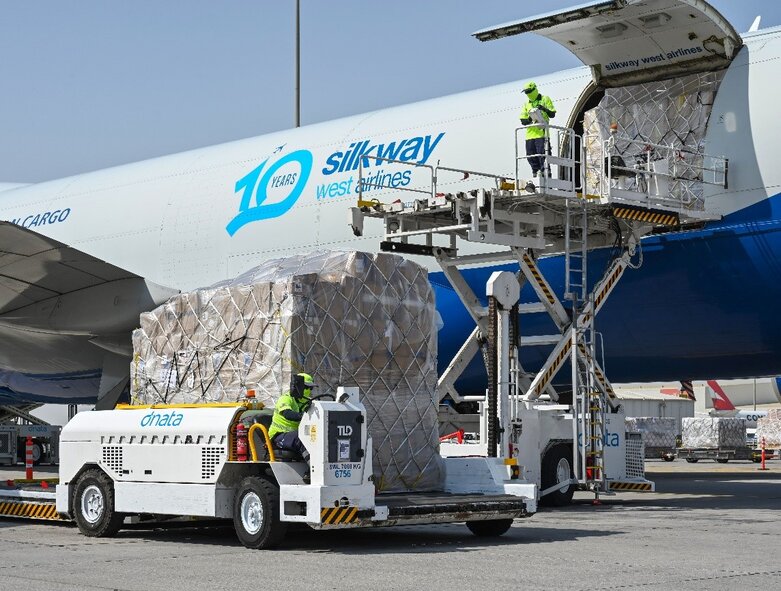
Singapore is a strategic hub in Silk Way West’s network, linking Asia-Pacific with the Middle East, Europe, and beyond. Therefore, the agreement is an important foundation in the airline’s focus on operational reliability and efficient cargo flows, and is an extension of the two companies’ existing collaboration across key markets such as Amsterdam, Dubai, and Iraq, where dnata already handles over 1,000 flights annually for the airline. It also aligns with a broader joint venture to develop an aviation services hub at Azerbaijan’s new cargo airport in Alat Free Economic Zone.
Onno Pietersma, Chief Operating Officer of Silk Way West Airlines, commented: “Singapore is an important gateway in our global cargo network, and reliable ground and cargo handling is essential to maintaining efficient and seamless freighter operations. Our continued cooperation with dnata supports our focus on operational excellence, service reliability and delivering dependable cargo solutions to our customers worldwide.”
Tom Alwyn-Jones, Managing Director of dnata’s Airport Operations unit in Singapore, stated: “This agreement reflects the strength of our operations in Singapore and our ability to support freighter carriers in a fast-paced and highly coordinated hub, working closely with partners across the Changi Airport community – something our team here takes real pride in. For us, it’s about delivering consistent, reliable handling on the ground – ensuring aircraft turnarounds, cargo flows and service standards are maintained, even as operational demands continue to increase. That comes down to having the right teams, processes and systems in place locally, working together to keep operations running smoothly at scale.”