
Each week, CargoForwarder Global’s ‘Spotlight On…’ looks at a particular segment of the air cargo industry through the eyes of an individual working there. Freight forwarders are the logistics magicians of the industry, sourcing airline cargo capacity for a very varied range of shipper requirements and solving all the necessary steps from route planning to cargo consolidation, document and customs handling, to ensure timely, reliable delivery. By combining local market knowledge with global networks across Europe, Asia, the Americas and beyond, they help airlines optimize capacity utilization while giving shippers predictable transit times, compliance expertise, and a single point of contact for complex, cross‑border movements. João Mudo (JM), Airfreight Director, TIBA SMX Logistics, shares his responsibilities, views and advice.
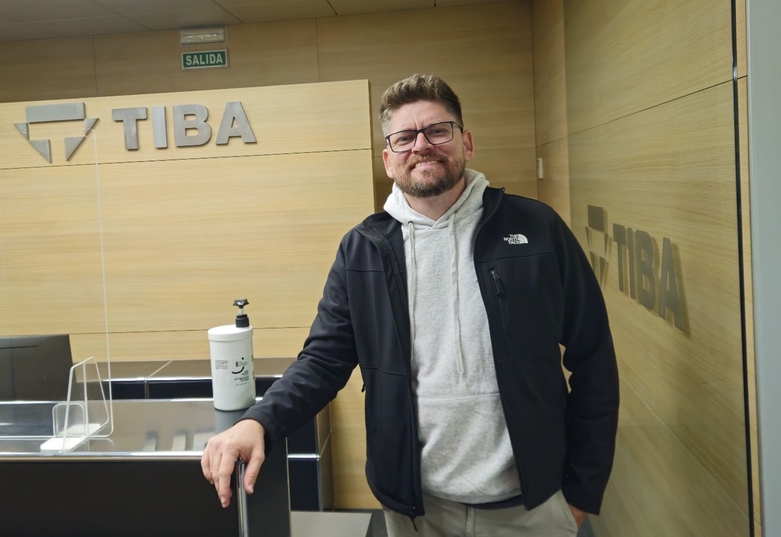
CFG: What is your current function and company? And what are your responsibilities?
JM: I’m Airfreight Director at TIBA SMX Logistics, part of a Spanish group with more than 150 years of history and currently expanding its footprint across Latin America.
In Brazil, our structure has been significantly strengthened with the acquisition of SMX Logistics – a young company that has grown rapidly over recent years and built a strong positioning, especially in ocean freight. Bringing this together with TIBA’s global platform, we aim to be recognized as one of the leading players in the LATAM market. My role is to build and develop the airfreight product – structuring teams, processes, and partnerships so we can deliver consistent solutions from origin to final destination. I oversee import and export operations at a national level, including Procurement, Pricing, Gateway, Operations, and Customer Service. A big part of my focus is also supporting growth across Latin America, paving the way for our regional sales teams to build tailored solutions for customers across diverse sectors – from standard cargo to complex shipments such as AOG, pharma, live animals, oversized projects and consolidated cargoes.
CFG: What does a normal day look like for you?
JM: Definitely there’s no such thing – and that’s exactly what makes our routines so interesting. One day, I’m working on internal improvements, systems, or team performance. The next, I might be with a customer in the Eje Cafetero (Colombia), developing a technical proposal and assessing the feasibility of moving a 15-meter self-propelled vehicle by air. At the same time, staying close to customers during my trips – through the privilege of listening, exchanging ideas, and learning from their local expertise – keeps every day dynamic and full of new discoveries.
CFG: How long have you been in the air cargo industry, and what brought you to it?
JM: I’m close to completing 28 years in the air cargo industry, and I’ve dedicated the past 14 years to developing sales initiatives and building strong partnerships with agents across the Americas, mainly in ECSA.
I started at Viracopos Airport in Campinas – one of the world’s main cargo hubs and the perfect place to learn operations – where I built my foundation, first in road transport and then in customs brokerage, dealing with highly time-sensitive processes. Over time, I naturally moved into airfreight and was drawn to its dynamic and challenging environment. The combination of speed, complexity, and the need for customized solutions is something that truly connected with me. Building task-force teams for specific projects and developing new products also revealed capabilities I hadn’t fully recognized in myself at the beginning.
What drives me today is solving problems – whether operational or strategic – and going deeper into understanding what the customer actually needs beyond the obvious.
CFG: What do you enjoy most about your job?
JM: I enjoy instigating my team – and myself – to deliver smooth and reliable operations, especially in complex scenarios. I strongly guide them on how to manage information through clear and refined communication. I encourage them to be agile and precise in their follow-ups, while staying pragmatic in their approach – not overcomplicating what is already complex in our day-to-day, which is constantly impacted by new variables.
Although a large part of my time is spent traveling, in meetings, and at events, I also really value the time I spend at the office – interacting closely with the team, reinforcing our purpose, and keeping everyone aligned and focused on our deliveries – especially on the 10 weekly airfreight consolidation services we manage, which require balance, proactive and fast decision-making.
And of course, customer (spontaneous) recognition is something we genuinely enjoy as part of our daily routine – it brings that personal sense of ‘mission accomplished’.
CFG: Where do you see the greatest challenges in our industry?
JM: In a world where predictability is one of the most valuable assets, information is our greatest ally. The real challenge lies in bringing together and aligning information from multiple stakeholders – airlines, authorities, partners, and specialized pricing and booking systems – into something reliable and actionable. We often hear colleagues across the industry saying that it’s no longer about being ready for ‘when’ but ‘where’ the next disruption will occur – whether regionally or globally. And that mindset is changing how we prepare ourselves. Technology, especially AI, is becoming a strong enabler of productivity. It allows teams to automate repetitive processes and tasks, and focus on what really matters: building relationships, strengthening networks, and deepening their knowledge across the logistics chain – all of which contribute to refining this very valuable asset: information. At the same time, having a strong local presence and trusted partners remains essential to understanding what is really happening on the ground and translating that into clear, transparent communication for customers.
CFG: What advice would you give to people looking to get into the air cargo industry?
JM: If you enjoy challenges and a fast-paced environment, this industry is definitely for you.
It’s not for everyone – you either love it or you don’t. My advice is to stay curious, available and go beyond your role. This is not just about ‘thinking outside the box’ – it’s about having a holistic view of all sides of the box and understanding how you can improve the next step, even if it’s not within your direct responsibility. Add value beyond just looking for better rates or faster solutions. Build your understanding of the full logistics chain, and believe in your own potential – without being afraid to make mistakes.
CFG: If the air cargo industry were a film/book, what would its title be?
JM: ‘Make It Happen.’
That’s something I truly believe in and constantly reinforce with my team. Air cargo is all about people who make things happen every single day. When you build a strong environment based on trust, collaboration, and mutual support, even the most complex challenges become achievable.
Many thanks, João!