
The first effects of the EU’s new rules for low-value e-commerce imports are becoming visible. Just weeks after Brussels introduced a €3 customs duty on consignments valued below €150, the first changes in China-Europe air cargo flows are emerging. Whether this will remain a short-term adjustment or develop into a more lasting shift remains open.
Since 01JUL26, low-value consignments entering the EU from outside the block have been subject to a temporary €3 customs duty per item. The measure replaces the previous duty exemption and is part of the EU’s wider effort to bring the rapidly growing e-commerce import flows under tighter customs control. The duty will apply until July 2028, when the EU’s new customs system for e-commerce is scheduled to take over (please view: https://cargoforwarder.eu/2026/08/02/munich-airport-bucks-the-e-commerce-downturn/ )
The possible impact on air cargo was already being discussed before the measure came into force. Air freight and logistics expert Steven Verhasselt told CFG in early July that e-commerce flows would likely see a short-term decline while logistics providers adjusted their processes and networks. He expected demand to pick up again towards the fourth quarter. (https://cargoforwarder.eu/2026/07/05/verhasselt-eu-e-commerce-fee-to-cause-brief-dip-only/)
Markets reacted quickly
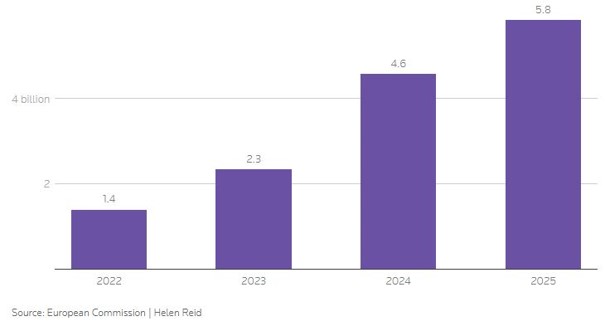
A few weeks on, there are now indications that the initial correction is indeed taking place. In a recent release published on 14AUG26, Liège airport states that the introduction of the European tax measure has profoundly altered the structure of imports. Consequently, the number of e-commerce parcels fell by 24% over the whole month of July compared with JUL2025 and by 41% compared with JUN2026:
Reuters reported on 27 July that direct China-Europe freighter capacity fell by 18% during the first 48 hours after the new duty came into effect. The decline moderated to 14% in the first full week. According to aviation consultancy Rotate, the impact was particularly pronounced in Belgium and Hungary, two important entry points for e-commerce imports. At the same time, freighter capacity into London’s Stansted Airport, outside the EU, increased by 25%.
First signs of traffic shifts
The figures point to an interesting development. Rather than simply disappearing, some e-commerce traffic may be looking for alternative routes into the European market. The shift towards a non-EU gateway such as Stansted illustrates how quickly logistics networks can respond when the cost and regulatory conditions change.
That does not necessarily mean that the EU measures will lead to a sustained decline in e-commerce-related air freight. In his interview with CFG, Verhasselt argued that the additional €3 cost and the end of the de minimis exemption would not have a long-term effect on volumes. Instead, he expected logistics providers and airports to use the summer months to adjust processes and prepare for the stronger demand traditionally expected towards the end of the year.
Brussels tightens its grip
The regulatory change is nevertheless significant. The €3 duty is only one element of the EU’s broader approach to low-value imports. Brussels has also been tightening customs controls and increasing scrutiny of goods entering the European market. The previous exemption had allowed consignments valued below €150 to enter the EU without customs duty; the new system removes that exemption and introduces the temporary flat-rate duty.
For airports and logistics providers with a strong exposure to e-commerce, the consequences could therefore extend beyond the amount of duty collected. Routing decisions, customs processes and the location of fulfilment operations may all become more important. If traffic can be shifted between EU and non-EU gateways, the competitive landscape between European cargo hubs could change as well.
The first weeks provide no final answer yet. But they do change the starting point of the discussion. What was still a forecast in early July is now beginning to show up in actual capacity adjustments.
The question for the coming months is whether the market will absorb the change as expected – or whether the new EU rules will leave a more lasting mark on the China-Europe e-commerce supply chain.