
For some in the industry, the idea of a pharmaceutical “corridor” is a new concept. For CargoLand in Liège, it is already routine since launching regular flights between CargoLand by LGG and Chicago O’Hare International Airport (ORD) earlier this year (CFG reported). Since then, the Belgian airport has safely seen off more than 10,000 tons of pharma cargo, destined for the ‘Windy City’. As the airport itself reports: “The corridor’s pharmaceutical traffic consists of shipments transferred to CargoLand by LGG from other airports, rather than new business. These transfers reflect freight forwarders’ confidence in the reliability of the service.”
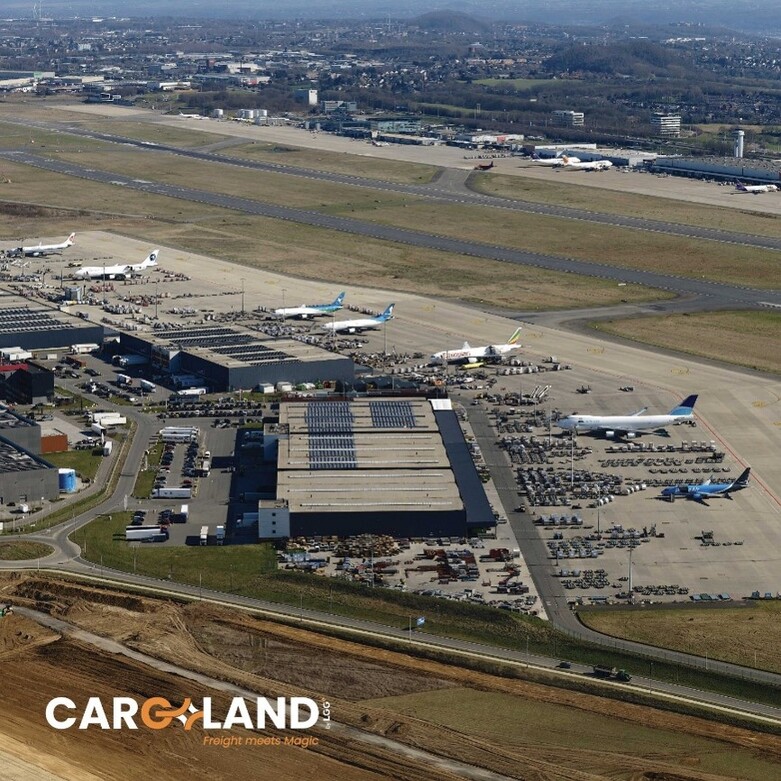
The airport’s attractiveness as a portal to the pharma corridor is down to: all handlers being CEIV Pharma certified; 24/7 operations allow for rapid processing of urgent shipments; reliable commodity-appropriate handling and storage for insulin, vaccines or other medicines; and convenient geographical proximity to major French and German pharmaceutical manufacturers. CargoLand has also hosted many aid relief flights, and provided the gateway for new product launches in e.g. Brazil.
The airport continues to focus on pharma by ensuring its freighter network and connections meet customer requirements and aid growing markets/markets needing medical access. “Existing African connections, established through flower imports, offer opportunities for pharmaceutical exports on return flights,” it showcases, pointing to possible future destinations in India.
Frederic Brun, Vice President Sales & Marketing at LGG, illustrated: “Year to date, we have moved over 10 000 tons of pharma to ORD. Demand grew rapidly because of the stable service and ensuring stable operations we offer. The Service Level Agreements (SLA) put in place for pharma customers in LGG are strong: […] exposure times of just 20 minutes from truck to fridge and 20 minutes from fridge to loading are standard. Seamless transfers and closeness from truck to ramp make it super easy and effective. We have refined our pharmaceutical handling operations around our existing capabilities and expertise. Reducing exposure time reduces risk, while keeping handling straightforward and limiting the number of parties involved makes the process easier to manage. Expertise developed over several years is now becoming standard practice at LGG. […] It is now paying off [..] with an increase of more than 120% of pharma goods via LGG.”