Due to the increasing shortages of spare parts nearly 20% of all commercial aircraft registered in Russia are currently grounded. This causes a massive shortage of transport capacity in a country where, due to its vast geographical dimensions, air services are key.
As Moscow-basednewspaper Kommersant reports, of the 673 aircraft that make up the combined fleet of the country’s eleven largest airlines – accounting for more than 90% of passenger traffic – 19.3% (approximately 130 units) are out of service due to the unavailability of Western certified spare parts, tools or technical instruments.
Is Aeroflot enjoying privileges?
State-owned Aeroflot Group, which includes Aeroflot, Rossiya, and Pobeda, is weathering the crisis best, with just 37 of its 349 aircraft out of service (11%). However, outside the state group the situation is alarming since 93 of the 322 aircraft in service are set aside (29%).
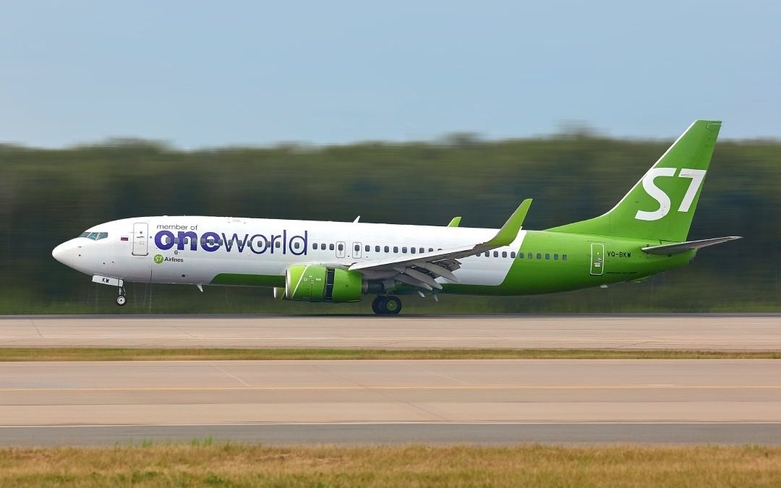
S7 Airlines, Russia’s largest private carrier, has 33 of its 104 jetliners parked (32%), following technical hiccups with the Pratt & Whitney PW1100G engines on its 32 Airbus A320neos. These require periodic technical services, inspections and overhauls performed abroad that are impossible under the current sanctions. Nordwind Airlines reports 12 of its 27 aircraft grounded (44%), including three of its five Airbus A330s and three of its four Boeing 777 long-haul aircraft.
Worst hit is Azur Air, Russia’s largest charter operator: only six of its 23 aircraft have been cleared to fly following inspections by regulator Rosaviatsia over serious engine issues, leaving 74% of its fleet grounded.
Grounded aircraft don’t make money
Under normal circumstances, around 10% of an airline’s fleet undergoes maintenance during the summer flight period, the busiest and most lucrative time of the year for the airlines. Comparatively, the figures cited by Kommersant are dramatic, as they demonstrate the impact that Western sanctions are having on Moscow’s commercial aviation sector.
The vast majority of fleets in Russia survive only because existing aircraft are being cannibalized and used as a storage facility for aircraft parts. Imports of essential components and instruments through third countries such as the Gulf States, Turkey or Azerbaijan add to the supply, as do PMA-components (Parts Manufacturer Approval), a certification that allows approved manufacturers to produce replacement or modification parts for aircraft at lower costs compared to the parts coming from original equipment manufacturers (OEM).
The situation is likely to become even more dramatic
However, the outlook for 2027 is worrying for Russia’s aviation sector. Analysts warn that aircraft retirements will accelerate as the ageing certified components reach the end of their service life, particularly in the case of Western widebody aircraft. Adding to this are two other critical challenges for the remainder of 2026: Ukrainian drone attacks forcing repeated airport closures, increasing the instability in aviation fuel supply.