
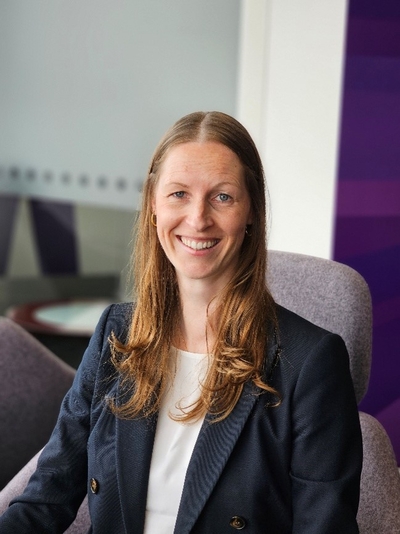
Each week, CargoForwarder Global shines its ‘Spotlight On…’ a different area of the air cargo industry and illustrates the wide variety of career opportunities available through the voices of those working in it. Airports are the physical and operational gateways that make air cargo possible. They provide the conditions (dealing with government agencies, for example), security, and handling infrastructure that enable all other air cargo stakeholders (airlines, freight forwarders, ground handlers, customs authorities, and road feeder services) to connect and ensure smooth, safe, commodity-specific cargo transport. This week, Magdalena Deitsche (MD), Senior Cargo Manager at Heathrow Airport, explains her role, shares her views and offers advice to anyone considering a career in air cargo.
CFG: What is your current function and company? And what are your responsibilities?
MD: I am a Senior Cargo Manager at Heathrow Airport, responsible for managing relationships with a broad range of cargo stakeholders, including airlines, cargo handlers, freight forwarders, and government agencies.
My role focuses on working collaboratively with stakeholders to address challenges, identify opportunities, and drive improvements across Heathrow’s cargo operation. This includes supporting both operational and strategic initiatives, facilitating industry engagement, contributing to future infrastructure and development projects, and helping ensure Heathrow remains a leading gateway for international trade.
CFG: What does a normal day look like for you?
MD: A ‘normal’ day is hard to define in air cargo, and that’s exactly what makes it so interesting.
My time can range from working on strategic projects and future infrastructure development plans to engaging directly with operational teams across the cargo estate to address day-to-day challenges. Depending on the day, I may be meeting with stakeholders, resolving operational issues, or representing Heathrow at international conferences and industry events.
What makes the job particularly rewarding is the unique combination of strategic thinking and operational engagement, together with the opportunity to work with people from across the industry. There is always a new challenge to tackle, a different perspective to consider, or something new to learn, which keeps the work both engaging and fulfilling
CFG: How long have you been in the air cargo industry, and what brought you to it?
MD: I started my career in 2015, through a graduate program at Leipzig/Halle Airport in Germany, which gave me the opportunity to work across a variety of departments and gain a broad understanding of the airport ecosystem. It was during this time that I was first exposed to air cargo, and I quickly realized that it was the area that fascinated me most.
What initially attracted me was the diversity, importance, and pace of the sector. Air cargo sits at the heart of global trade, connecting businesses, markets, and communities around the world. It is a dynamic industry where no two days are the same and where global developments can be reflected in operations almost instantly.
From geopolitical tensions and supply chain disruptions to pandemics and changing trade routes, cargo is constantly evolving, requiring agility, resilience, and innovation. That combination of fast-paced operations and global significance is what drew me to the industry and has kept me engaged throughout my career.
Working at Heathrow brings this into sharp focus. As the UK’s largest port by value, Heathrow plays a vital role in facilitating international trade and connecting businesses with global markets. Being part of it is both a privilege and a constant source of motivation.
CFG: What do you enjoy most about your job?
MD: What I enjoy most is the combination of people, purpose, and impact.
Air cargo is a highly collaborative industry. Despite its global reach, it remains a close-knit community where success depends on aligning diverse stakeholders behind a common goal. Helping to build those connections, overcome challenges, and deliver tangible improvements is one of the most rewarding aspects of my role.
I also value the sense of purpose that comes with the role. The work we do supports the movement of essential goods, facilitates trade, and helps keep supply chains moving through both routine operations and times of disruption. Knowing that our efforts contribute to keeping businesses, communities, and economies connected gives a real sense of meaning to what we do every day.
CFG: Where do you see the greatest challenges in our industry?
MD: One of the biggest challenges is attracting the next generation of talent.
Many people benefit from air cargo every day without realizing it. Whether it’s receiving an online order, accessing life-saving medicines, or purchasing fresh produce in a supermarket, air cargo plays a vital role in making that possible. As an industry, we need to do a better job of telling that story and showcasing the exciting career opportunities available.
Looking specifically at Heathrow, another key challenge is capacity. Demand for air cargo continues to grow, supported by global trade, e-commerce and the movement of high-value goods. Heathrow is the UK’s largest port by value and a critical gateway connecting businesses to international markets. However, the airport’s ability to accommodate further growth is constrained by runway and infrastructure capacity. To support future trade growth, expanding Heathrow’s capacity will be critical to unlocking additional trade opportunities, strengthening connectivity, and maximizing the airport’s contribution to the economy.
At the same time, we must continue to modernize and embrace digitalization. While significant progress has been made, there is still considerable opportunity to improve data sharing, visibility, and process efficiency across the supply chain. The more we can leverage technology and collaborate across the industry, the better positioned we will be to meet future demands.
CFG: What advice would you give to people looking to get into the air cargo industry?
MD: One of the great things about air cargo is that there is no single route into the industry. In fact, many people find their way into cargo almost by accident. Personally, I think we should do more to showcase the opportunities it offers, especially to young talent.
For anyone looking to join, my advice would be to stay curious, be open to opportunities, and never be afraid to ask questions. Some of the best learning comes from spending time with people across the supply chain and understanding how everything connects, from airlines and handlers to freight forwarders, customs authorities, and airports.
Air cargo is full of experienced professionals who are passionate about what they do and willing to share their knowledge. While technical skills can be learned over time, curiosity, adaptability, relationship-building, and a genuine willingness to learn are what will really help you succeed.
Above all, air cargo is a people-focused industry. If you are willing to learn, collaborate, and understand the bigger picture, there are tremendous opportunities to build a rewarding and meaningful career.
CFG: If the air cargo industry were a film/book, what would its title be?
MD: I’d probably call it ‘The World Behind the Air Waybill’. Most people are unaware of the complex network of people, processes, and partnerships behind the products they buy, the medicines they rely on, and the food they find on supermarket shelves. Every shipment tells a story of global trade, connectivity, and collaboration. Air cargo operates largely behind the scenes, yet it plays a vital role in supporting economies and keeping supply chains moving through both routine operations and times of disruption. It is one of those industries that quietly keeps the world connected, often without anyone ever noticing.
Thank you very much, Magdalena.
If you would like to share your personal air cargo story with our CargoForwarder Global readers, feel free to send your answers to the above questions to cargoforwarderglobal@kopfpilot.at We look forward to shining a spotlight on your job area, views, and experiences.