
Geopolitical crises have long exposed the aviation sector’s dependence on fossil fuel markets. Escalating tensions in the Middle East (one of the world’s most important oil-producing regions) regularly trigger volatility in jet fuel supply and pricing, creating immediate cost pressure for airlines and air cargo operators.
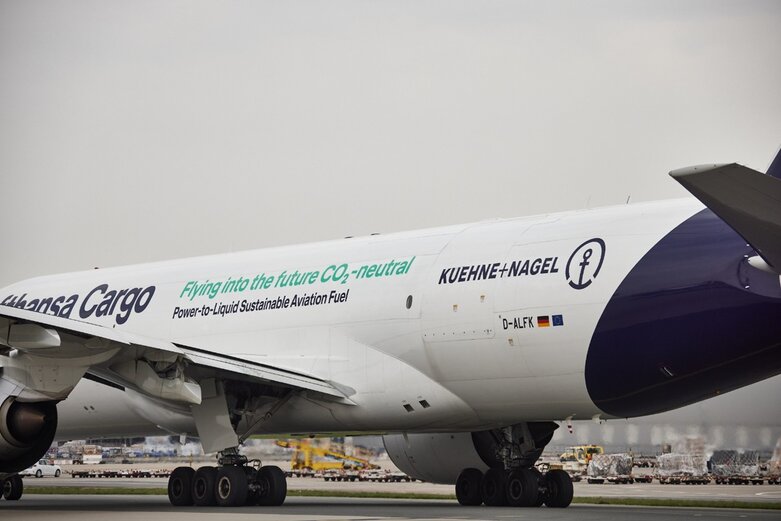
Against this backdrop, Sustainable Aviation Fuel (SAF) is increasingly discussed not only as a climate solution but also as a potential tool to diversify aviation’s fuel supply and reduce exposure to oil market shocks.
Fuel volatility remains a structural challenge
Jet fuel is one of the largest operating costs for airlines and remains closely tied to global oil markets. Supply disruptions, refinery constraints or geopolitical tensions can quickly translate into rising fuel prices as seen in the past weeks. For the air cargo industry, where margins often fluctuate with global trade cycles, such volatility represents a structural challenge.
Industry observers are therefore discussing whether SAF could eventually contribute to greater price and supply stability. However, limited production volumes and significantly higher costs mean the influence on jet fuel markets remains marginal for now.
Unlike conventional jet fuel, SAF can be produced from a range of feedstocks including used cooking oils, agricultural residues or synthetic fuels based on renewable hydrogen and captured carbon. Because these supply chains are not directly linked to crude oil extraction, SAF could gradually help diversify aviation’s energy base in the long term.
Air cargo sector and SAF integration
Several airlines and logistics providers have already started integrating SAF into their sustainability strategies. Lufthansa Cargo, for example, offers programs that allow freight customers to directly support the use of SAF within their logistics chains.
Through this ‘Sustainable Choice’ initiative, shippers can contribute to SAF usage and reduce the carbon footprint of their air freight shipments. At the same time, Lufthansa Cargo is expanding partnerships with logistics companies such as CEVA Logistics to secure SAF supply volumes and integrate them more systematically into cargo operations. Long-term agreements are seen as essential to create planning certainty in a market that is still developing.
Policy support remains crucial
Industry associations emphasize that SAF market development will depend heavily on supportive regulatory frameworks.
The Aviation Initiative for Renewable Energy in Germany recently called for a coordinated European strategy to accelerate SAF deployment. According to the organization, aviation needs clear investment signals, stable regulatory targets and competitive production conditions to scale SAF supply.
One major policy driver is ReFuelEU Aviation, which introduces gradually increasing SAF blending quotas at European airports over the coming decades. These mandates are intended to stimulate demand and encourage investment in production capacity across Europe.
A long-term strategic role
Despite growing political and industry momentum, SAF still represents only a small share of global aviation fuel consumption and remains significantly more expensive than fossil kerosene. Nevertheless, analysts argue that a future fuel mix combining conventional jet fuel, bio-based SAF and synthetic e-fuels could reduce aviation’s dependence on a single global commodity market.
For the air cargo industry, where fuel costs are a decisive factor, such diversification could eventually improve resilience during periods of geopolitical instability.
For now, SAF remains primarily a decarbonization pathway. Yet as production scales and supply chains mature, it could gradually contribute not only to aviation’s climate targets but also to greater long-term energy resilience for global air freight.