
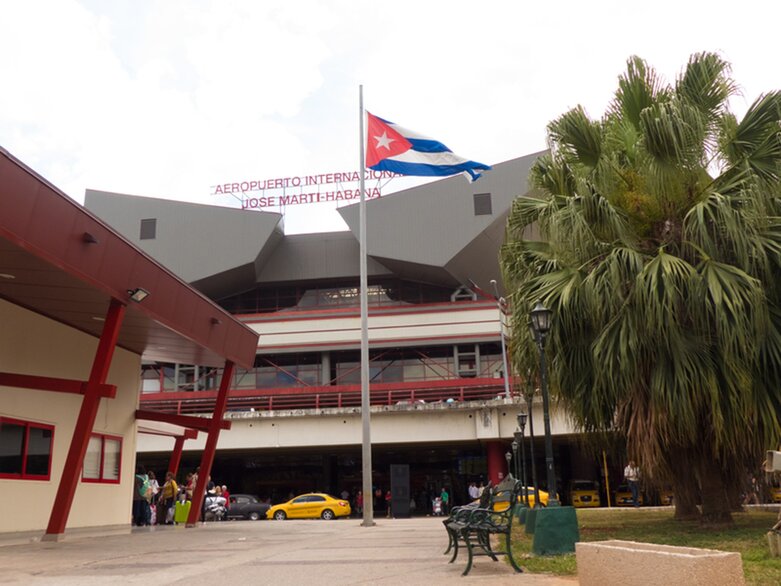
No kerosene, no flights, no tourists, and no air freight transport. The Caribbean Island is largely cut off from international air traffic. Lighting at José Martí Airport, the capital’s airport, is kept to a minimum. The fuel shortage is the result of the oil embargo imposed by Washington and the regime’s chronic dependence on external sources.
Until now, Venezuela was Cuba’s main supplier of crude oil and aviation fuel. However, since Maduro’s overthrow and imprisonment by the Trump administration, this source has dried up. The result: an increasing number of international airlines have suspended their flights to Cuba or announced doing so due to the worsening fuel shortage. This includes, among others, Air Canada and its national competitors, WestJet and Air Transat. Air Canada said in a statement that aviation fuel is not commercially available at local Cuban airports, as governments issue notices warning that the supply is likely to be unreliable.
Traffic figures plummet
Other airlines such as Iberia, Air Europa, and Turkish Airlines have changed their routes and are making an additional tank stop in the neighboring Dominican Republic. The German leisure airline, Condor, had already announced before the oil crisis that it would stop serving Cuba come spring. This is likely to cause a further slump in air freight exports of Cuban cigars and perishable goods for the country, which is already short of foreign currency.
Germany advised on Tuesday (10FEB26) against all non-essential travel to Cuba. The country is “facing an acute energy crisis, which is also being compounded by widespread dilapidated energy infrastructure,” the German foreign ministry said in its announcement. “The shortages are affecting all areas of life, including medical care.”
Fuel instead of cargo
Copa Airlines from Panama has found an alternative solution. The carrier refrains from loading air freight in the lower decks of its passenger jetliners on routes between its home base, Tocumen International, and Havana’s José Martí Airport. This saves weight and allows an increased amount of kerosene on board to ensure a safe round trip.
The three major U.S. carriers, American Airlines, Southwest Airlines, and Delta Air Lines, which serve routes between Florida and Cuba, are taking a similar approach. They haven’t canceled their Cuban services because their aircraft are capable of carrying sufficient kerosene to operate safe roundtrips, they unanimously declared.
In contrast, the Russian airlines, Rossiya and Nordwind, will only continue to fly there until around 4,000 Russian tourists have been flown out. Then it’s over. Communist Cuba has been a favorite destination for Russian tourists since the days of Fidel Castro. In other words: for more than 60 years.
Fuel shortage becomes systemic crisis
The oil shortages have threatened to plunge Cuba into complete darkness, with power plants struggling to keep their operations running. The government’s decision to restrict fuel sales, reduce banking hours, cancel cultural events, and implement a four-day working week for state-owned companies, demonstrates how grave the situation has become. In Havana, the public transport system has effectively ground to a halt, leaving residents stranded as endemic power outages and grueling fuel lines reach a breaking point.
Historically, Venezuela was the biggest supplier of oil and jet fuel to Cuba followed by Mexico. Oil from Caracas covered around 30% of Cuba’s energy needs, with between 32,000 and 35,000 barrels per day.
No relief from Mexico
Mexico only ever shipped a fraction of the oil that came from Venezuela. Mexican President, Claudia Sheinbaum has now confirmed that oil shipments to Cuba are “on hold” following U.S. President, Donald Trump’s threats to impose tariffs on any country that provides oil to the Caribbean island.
Nicholas Watson, Managing Director, Latin America, at consulting firm, Teneo, summarized the situation with a grim forecast that is unlikely to please those in power in Havana: “The economic crisis is so severe that it could be existential for the regime.”
Cuba’s dire situation is not the result of an isolated event. It is the consequence of decades of mismanagement, of an economic model that never generated real wealth or autonomy, and of a chronic dependence on external allies who can no longer – or do not want to – sustain the island.