
Home Blog Page 42

CFG talks with Cargojet CEO, Pauline Dhillon

0

The first of January, this year, saw Pauline Dhillon (PD), step into the role of Chief Executive Officer of Cargojet. For over two decades, Dhillon has contributed to Cargojet’s journey – from its inception, through to it becoming Canada’s leading all-cargo airline, known for dependable service and a strong customer focus. Having held increasingly senior roles in corporate marketing and government affairs, and later overseeing a broad range of corporate and operational functions – most recently as Chief Corporate Officer and co-CEO – Dhillon brings a deep understanding of the company’s values and operations to her latest leadership role. Her appointment signals both continuity and renewal – a natural next step for someone who has shaped so much of Cargojet’s story from the very beginning.

In interview with CargoForwarder Global (CFG), Pauline Dhillon reflects on the company’s evolution, the lessons learned along the way, and how Cargojet is preparing for the next phase of growth in a rapidly changing logistics landscape.

Pauline Dhillon, Cargojet CEO. Image: Cargojet

CFG: You are a founding member of Cargojet and now officially became CEO of the airline on 01JAN26. What aspects of the business received your immediate attention at the start of this year and what important decisions are forecast for 2026?
PD: Since officially becoming CEO on 01JAN26, my immediate focus has been on ensuring continuity of Cargojet’s operational performance, which has been central to the company since its founding. I have also prioritized supporting the next phase of international expansion, including the operation to Europe. Equally important has been maintaining our people-first ‘ONE TEAM’ culture, with over 2,000 team members driving 24/7 operations.

CFG: Regarding the Cargojet fleet: The average age of your 44 freighters is around 30 years. When are you planning a rollover, given that older B767 and B757 freighters generate higher greenhouse gas emissions? And what freighter variants is Cargojet planning to purchase or lease?
PD: As of 30SEP25, Cargojet operates a fleet of 41 freighter aircraft, 24 Boeing 767s and 17 Boeing 757s. We believe our current fleet size is sufficient to meet our growth needs for at least the next 12 months. Boeing 767 and 757 aircraft are the workhorses of the air cargo industry, and are operated by many major air cargo airlines, including major carriers like UPS and FedEx. We expect these aircraft types to be mainstays of the air cargo industry for some time, and our fleet has years of safe, efficient, and profitable service ahead of it.
We focus on reducing our emissions through fuel-efficiency initiatives using our existing fleet and are actively pursuing a number of opportunities to reduce our overall fuel burn and therefore greenhouse gas emissions, including optimizing our fuel levels with flight plans and optimizing certain maintenance activities to ensure engines are performing at their maximum efficiency.

CFG: In Europe, Liège (LGG) is the only airport served by Cargojet. Are additional destinations in the EU block an option that Cargojet considers serving?
PD: At present, Liège (LGG) serves as Cargojet’s primary gateway into Europe, providing a reliable foundation for our international expansion. While additional EU destinations are being evaluated, any future service will be guided by market demand, operational feasibility, and alignment with our existing network.

CFG: What are the main commodities that Cargojet carries and where do you see its USP in air cargo?
PD: Cargojet specializes in transporting key commodities such as e-commerce, seafood, automotive parts, live animals, and AOG shipments. The airline’s unique selling point is its industry-leading on-time performance, consistently exceeding 98%. Its coast-to-coast overnight domestic network enables the shortest cut-off times in the Canadian market. With a cargo-only operating model, Cargojet is purpose-built to handle time-critical logistics with reliability and precision.

CFG: You mention Cargojet’s 98+% on-time reliability – what is the secret to this success?
PD: Our on-time reliability depends on our people – our team – supported by disciplined execution and a culture built around consistency. What has made Cargojet truly successful is our team; we would not be who we are or what we are without them. With a singular focus on air cargo, we’re able to provide our customers with the personal attention they deserve and the dependable service they expect, night after night. That focus, reinforced by our culture, drives our operational excellence and ultimately our success.

CFG: What has remained the same and what has changed within the airline, since its founding? And where do you see Cargojet in 2030?
PD: Since its founding, Cargojet’s core focus on reliability, customer trust, and people-driven performance has remained unchanged. What has evolved is the scale of the business, growing from a single aircraft operation to a global network spanning North America and Europe. The airline has also expanded beyond domestic overnight operations to offer international and charter services across more than 47 countries. Looking ahead to 2030, Cargojet aims to continue building on this foundation, further expanding its global reach while maintaining the operational excellence and customer focus that have defined the company from the start.

CFG: How would you end this sentence: Running a cargo airline is like…
PD: “Running a cargo airline is like orchestrating a 24/7 symphony – every detail matters, and reliability is earned, not claimed.”

Thank you, Pauline Dhillon
Hapag-Lloyd acquires ZIM

0

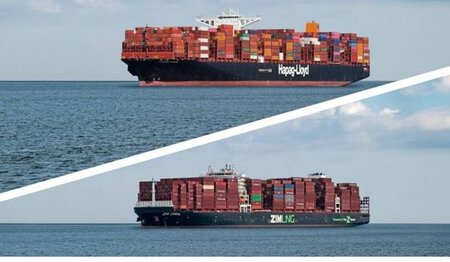
The world’s fifth-largest container shipping company is taking over the tenth-largest box carrier. Hapag-Lloyd CEO, Rolf Habben Jansen, announced this acquisition on Monday evening (16FEB26) in a call with trade journalists in Tel Aviv, where ZIM is based. The purchase price for 100% of the shares is USD 4.2 billion. This is an impressive 58% above last Friday’s closing price.

They still sail separately, but soon jointly – image: courtesy H-L.

During a Teams call, the Hapag-Lloyd CEO admitted that this was a considerable price to pay. However, the merger would generate significant annual synergies of between USD 300 and 500 million, particularly in the areas of networking and procurement, said the executive. The deal will expand the customer base and secure Hapag-Lloyd’s position among the world’s top five container liners, thanks to a combined fleet of more than 400 modern ships with an annual slot capacity of over 3 million TEU. Hapag-Lloyd accounts for around 300 ships and ZIM for 117 vessels, 90% of which are chartered by the Israeli shipping company. Its fleet consists of modern and efficient ships, with 40 of them powered by liquified natural gas (LNG), reducing CO2 emissions by 25%, NOx by 85% and sulfur emissions by as much as 99% compared to ships powered by crude oil.

Approvals needed
The agreement still needs to be finally approved by the competition authorities. And a majority of the ZIM shareholders must still approve the deal by a simple majority vote at a shareholders’ meeting.

Hapag-Lloyd management emphasizes that ZIM will strengthen the shipping company’s position and improve its financial performance. ZIM’s network structure complements that of Hapag-Lloyd and improves the German container shipping company’s presence on transpacific routes from fifth to fourth place. On transatlantic voyages, it climbs to second place, narrowing the gap to market leader, MSC. The combined fleet operation will increase flexibility in deployment and support Hapag-Lloyd’s sustainability goals, said the Hapag-Lloyd boss.

Consolidation of market position
Some of the routes will be integrated into the Gemini Alliance set up between Maersk and Hapag-Lloyd, although specifics are still open. Together, Hapag-Lloyd and ZIM will consolidate their position among the top 5 in global maritime transport behind MSC, Maersk, CMA CGM, and Cosco, offering the market an annual transport capacity of 3.2 million TEU.

The merger will not disadvantage the State of Israel or its economy. “We will continue ZIM’s existing presence there as part of our future joint mission, which also includes the continued operation of the Innovation Center in Tel Aviv,” Habben Jansen assures.

Golden Share
To protect Israel’s strategic and commercial rights, ZIM will be split up. A liner network based on 16 vessels will be established under the brand name ‘New ZIM’, offering intra-regional Mediterranean services in combination with one transatlantic U.S. East Coast–Mediterranean service connecting Israel to key U.S. markets. All intercontinental ZIM routes will be taken over by Hapag-Lloyd. To ensure maritime access in times of crisis, protect national security interests, and prevent hostile influence, Israeli private equity firm, FIMI, will obtain ‘golden share’ rights in accordance with the Minister of Finance & Transport, allowing it to veto key corporate actions, should national interests require it.

Hapag-Lloyd expects the ZIM acquisition to be legally and operationally completed within the current year, provided the competition watchdogs consent the deal. Until then, the two companies will remain competitors on their international routes. CEO Habben Jansen does not expect the Hapag-Lloyd–ZIM merger to trigger a new wave of consolidation in global container shipping.

CargoLand’s renovated Vet Center is officially open

0

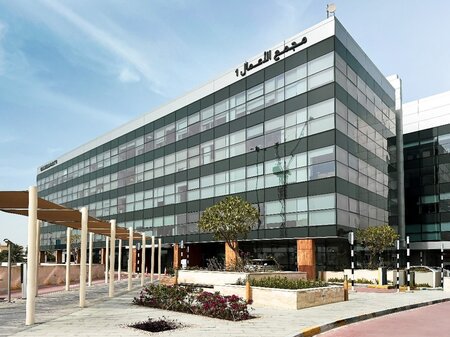
When you handle as many animals as CargoLand (Liège Airport) does, you need to make sure that your facilities are always the best they possibly can be. To safeguard an animal’s health and safety as well as keep an eye on regulations, all creatures travelling through the airport must undergo veterinary inspection. Those travelling through CargoLand now get to enjoy its fully renovated Vet Center. Recently inaugurated, the facility offers areas for sanitary inspection and quarantine of live animals (AVI) transiting through the airport. “The Vet Center forms a critical control point within CargoLand by LGG’s live animal logistics chain, ensuring that every animal entering or leaving LGG complies fully with animal health and biosecurity regulations. The renovated Vet Center now features fully equipped inspection zones and an isolated quarantine area, enabling veterinarians [from the veterinary services of the Belgian Federal Agency for the Safety of the Food Chain (AFSCA)] to manage animals requiring observation or additional testing without interrupting ongoing operations. This configuration allows parallel processing of multiple consignments while maintaining strict biosecurity and operational continuity,” the release states.

Newly inaugurated after a full renovation, CargoLand’s Vet Center. Image: LGG

Though most well-known for its Horse Inn, the airport’s Vet Center can accommodate many different species and offers sanitary inspections, health status checks, documentation control and transport condition assessments. Last year, it handled 3,766 horses and other equids, as well as all kinds of ornamental fish, insects, and small mammals.

Frédéric Brun, Head of Commercial Cargo & Logistics at CargoLand by LGG, explained: “The renovation of the Vet Center was driven by very concrete sanitary and operational realities. We are handling increasing volumes and more complex live animal movements. This upgraded infrastructure enables us to strengthen veterinary control capacity and maintain the highest standards of animal health and welfare.”

CargoTech driving AI innovation and growth in 2026

0

Currently, four air cargo tech expert companies: Wiremind, CargoAi, Rotate, and Aerios, make up CargoTech. Together they cover a large part of the air cargo logistics supply chain (including charter operations) and offer a total of 16 digital solutions and services to date, ranging from data analytics through to quoting, booking, load planning, and consulting services, and the world’s first charter app solution. According to Cédric Millet, President of CargoTech, 2026 will build on the strong success of 2025, and see growth both on the member front (two more companies are in the pipeline) and on the product and services on offer – with a particular focus on AI capabilities: “We are planning on delivering 9 new products and services over the course of this year, including new AgentAi functionalities and Rotate’s unique Data Services vertical.” In line with CargoTech’s mission to accelerate the digitalization of the air cargo industry wherever it makes sense, Rotate’s expert consultant team with knowledge of tech and cargo, can quickly work out the best plan of action for any cargo company looking to improve its digital transition.

Continuing to accelerate digitalization in the air cargo industry. Image: CargoTech

CargoTech’s plan for 2026 centers on four main strategic priorities: more members, more new products, business processes consolidation, and continuing to drive digitalization within the air cargo industry. It caters to airlines, forwarders, GSAs, GHAs, shippers. Already over 105 airlines and 23,000 forwarders are connected to CargoAi’s Market Place, and 100+ companies use Rotate’s market data. “Our software is developed by cargo people who know the pain points of the industry,” Millet points out. “Our customers often highlight that cargo is different from the passenger side of the industry, and therefore you will never find CargoTech taking existing digital solutions and ‘fine-tuning’ them to match air cargo business requirements. Instead, we develop cargo-specific use cases, models, and products that are now used by an increasing number of leading air cargo companies.”

Given CargoTech’s expansion to 120+ employees since it launched in 2022, a technology center of excellence is being established in Kuala Lumpur, Malaysia, where all Accounting, Finance, and Legal and Communications processes will be centralized. Also: “This technology center of excellence […] will serve as a secondary hub for hiring software and digital talents to accelerate product development and enhance customer support. It will complement our member’s headquarters around the globe (Wiremind in Paris, CargoAi in Singapore, and Aerios in London), and offer improved client coverage across time zones,” Millet concludes.

Royal Jordanian Cargo counts on ECS Group in U.S.

0

Since 10JAN26, ECS Group’s U.S. subsidiary Globe Air Cargo (GAC), is Royal Jordanian Cargo’s official representative at Chicago O’Hare (ORD) and Detroit (DTW), responsible for cargo sales on its flights. The two companies signed a strategic, multiyear GSA agreement recently, cementing their partnership across key U.S. gateways. Through ECS Group’s GSA services, its market knowledge and network, and its strong tech capabilities (including digital booking, pricing intelligence and real-time visibility). Royal Jordanian Cargo stands to gain market share and a greater foothold in the U.S.

Multiyear GSA agreement began on 10JAN26. Image: Royal Jordanian Airlines

Royal Jordanian operates Boeing 787-8 Dreamliners out of the U.S. to Amman (AMM) and beyond, via a solid network of widebody and freighter services. Thus U.S. forwarders have access to attractive and reliable capacity on routes to core markets such as Libya, Tripoli (TP), Damascus (DAM), Jeddah (JED), Beirut (BEY), Cairo (CAI), Istanbul (IST), Dubai (DXB) and Bangkok (BKK).

Jean Ceccaldi, CEO of ECS Group, commented: “This partnership reflects the scale of trust Royal Jordanian places in our ability to transform their cargo results in one of the world’s most competitive markets. With GAC’s strength on the ground and our digital capabilities through CargoAi, ECS Group will generate accelerated growth for Royal Jordanian and deliver U.S. customers a level of reach and performance they have not had before.”

Khaled Alkhawaldeh, Director Cargo Commercial, Royal Jordanian Airline, said: “Partnering with ECS Group and Globe Air Cargo brings strong market expertise, proven commercial capabilities and advanced digital tools that will support our growth objectives, enhance customer reach, and optimize the utilization of our cargo capacity across key U.S. gateways and beyond.”

Furry assistance passengers on the increase at LHR

0
HARC handled 1,800 assistance animals in 2025 – a 110% increase since 2021. Image: HARC

Among the many thousands of people travelling through London’s Heathrow every day, are also an average of 5 assistance animals. And that number is growing. Heathrow Animal Reception Centre (HARC) has reported a 110% increase in assistance animal imports since 2021, as more passengers are being accompanied by trained support dogs. “Assistance dogs are specially trained canines that carry out specific tasks to support people with disabilities, including guiding visually impaired passengers, alerting people with hearing loss, and assisting individuals with physical or medical conditions”, the press release explains. Operated by the City of London Corporation, HARC processed 1,800 assistance animals in 2025, with demand peaking on transatlantic routes and during the holiday travel season – particularly these past two months as people journeyed to visit relatives. HARC explains the rise on account of ongoing regulatory updates and changes in airline procedures for recognizing assistance animals. Though there are some carriers that conduct their own dog training assessments, HARC assists the majority of airlines serving Heathrow, when it comes to performing arrival checks and welfare inspections. It is the UK’s only Live Animal Border Control Post authorized for all species, holds IATA’s CEIV Live Animals certification for excellence in handling and welfare standards, and has been in operation since almost 50 years, offering 24/7 care facilities. Recently, Susie Pritchard, a senior HARC representative, was appointed to the Assistance Dogs UK Advisory Panel to advise on future legal and policy reforms.

Peter Dunphy, Chair of the City Corporation’s Port Health and Environmental Services Committee, stated: “As part of our responsibilities for animal health and welfare across Greater London, and to support access for all passengers arriving into the UK, we work closely with airlines and Heathrow Airport to manage growing demand and maintain robust arrival checks as assistance dog travel increases.”

Susie Pritchard, Assistant Director of Animal Health and Welfare at HARC, revealed: “Our role has become more complex as the number of assistance dogs travelling through Heathrow has increased, and it is essential that checks remain consistent, health and welfare compliant, and focused on facilitating access to travel for passengers with assistance dogs.”

QCargo pioneers AI-driven compliance platform

0

QCargo has launched the first AI-powered verification and compliance platform designed specifically for the air cargo and freight forwarding industry, aiming to solve the sector’s long-standing challenge of lengthy and manual partner checks. Traditionally, verifying certifications, financial health, and compliance status could take between two and four weeks. QCargo’s AI now reduces this process to just 24 hours by automatically cross-referencing company data with certification registries, industry databases, and global sanctions lists. 

Brandon Fried, Executive Director, AfA. Image: www.beinformed.com/webinar-trade-compliance-2026/

The platform offers three integrated capabilities that reshape how freight forwarders manage trust and compliance. Its Independent Company Verification feature confirms credentials, assesses financial stability, and performs Ultimate Beneficial Owner and sanctions checks. Verified firms receive a QCargo badge that can be displayed in tenders and marketing materials. Through its AI-Powered Partner Verification module, users can instantly evaluate any partner’s compliance and financial standing before agreements are signed. Meanwhile, the Export Control Module screens export documents and HS codes against OFAC, EU, and UN sanctions databases, flagging potential violations within seconds. 

Developed by industry experts and supported by international cargo associations, QCargo brings a new level of transparency and efficiency to freight forwarding, transforming weeks of manual verification into a process completed within minutes.

Turgut Erkeskin, President & CEO of Genel Transport, said: “In today’s complex and interconnected supply chains, quality is no longer a differentiator, it is a necessity. At Genel Transport, we have always believed that verified processes, transparency, and accountability are essential for sustainable logistics. QCargo’s qualification framework provides exactly the kind of independent and credible benchmark the industry needs, and we are proud to be among the first companies to meet this standard.”

Danny Arendse, QCargo CEO, commented: “QCargo Solutions does not create new rules or frameworks; we verify compliance with existing industry requirements and provide the independent validation the logistics sector has been missing, at the speed modern business requires.”

U.S. import tariffs branded ‘nightmare’ by AfA members

0

The Airforwarders Association’s recent member survey was rife with negative comments around the trouble brought about by last year’s U.S. import tariffs. One stated it was a downright nightmare, while many talked about the increased friction, the huge rise in workload – particularly in having to explain processes to customers – not to mention the overall slowdown, be this through customs delays, airport congestion, reduced flight schedules, or inconsistent security and documentation processes. One summarized: “The initial impact of the Tariff’s was significant. Seems to have leveled off in the 2nd half of 2025. Time spent with the data entry and auditing of the Customs Entries has put a strain on our internal departments.” Unsurprisingly, 83% reported reduced shipping volumes as a result. And the outlook is bleak. Another respondent predicted: “No matter what the courts say, I suspect Trump will simply find more ways to impose the tariffs. They are here to stay and will continue to disrupt markets and trade much to the detriment of freight forwarders.”

Brandon Fried, Executive Director, AfA. Image: AfA

Brandon Fried, Executive Director, Airforwarders Association, concluded: “Last year was defined by instability, with shifting trade policy, new tariffs, and changing security and compliance requirements, making it difficult for forwarders and their customers to plan with confidence. These results underline the need for more stable, predictable policymaking to provide businesses with the confidence to invest, plan capacity, and make longer-term supply chain decisions.” He will be advocating for betterment on Capitol hill, to combat further volatility, increased operational costs and administrative workload.

Glyn Hughes, Director General, The International Air Cargo Association, had this to say about the findings: “The survey results reflect the reality that current U.S. trade policy is creating. As barriers go up, products and supply chains go elsewhere, its economics 101. The weaponization of tariffs to punish countries that don’t align to current U.S. positions has caused pain and uncertainty. This has generated a global focus on a U.S. plus one strategy when it comes to consumption markets. The ending of the de minimis exemptions from duties and tariffs has also had a negative impact. The reshoring of manufacturing will also face obstacles as unit costs of U.S. manufacturing is not competitive on the global stage. Since the early 1990s, the global economy has thrived, the U.S. has powered ahead as the world’s leading economy and wealthiest nation and over 1 billion people around the globe have been elevated out of extreme poverty on the back of outsourced production. This success is now at risk.”

AI Hackathon in India hosted by Kale Logistics Solutions

0

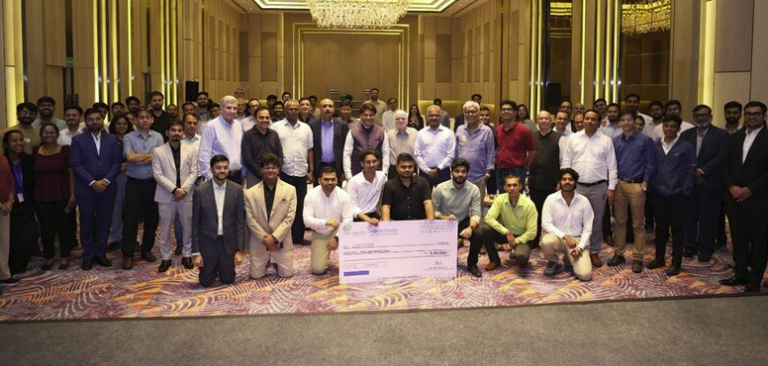
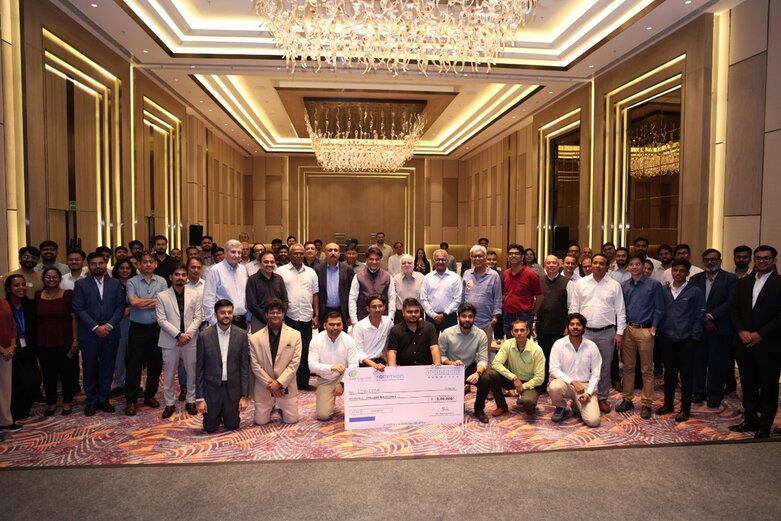
Labeled the KaiTETHON 2026, the recent AI Hackathon held in India from 04-07FEB26, was the first of its kind, hosted by Kale Logistics Solutions. The SaaS provider opened to the floor to university students, start-ups, industry innovators, as well as its own employees, giving them real-life industry problems being encountered in the air and maritime logistics industries. Within 48 hours, participants were challenged to create AI-based solutions – the best of which will go on to be developed by Kale Logistics Solutions. The event saw over 300 people register, of which a shortlisted 50 were split into 10 teams. These were mentored by Kale experts during the event, as they set about designing products in four topic areas: port community systems, airport cargo community systems, sales and business operations, and talent and HR. An independent jury of AI and tech leaders such as Sudarshan Mogasale (Dassault Systèmes), Rohit Pandharkat (EY), and Mithun John (HDFC Bank), selected the winners, who shared a USD 14,200 prize pool. The overall winner, Team Logicode, mentored by Dhiraj Dhule (FlytBase), received top honors for PLACI, an AI-based pre-loading cargo risk analyst. Kale will further develop winning solutions and plans to make KaiTETHON an annual innovation initiative.

All 50 KaiTHETHON participants alongside judges and the Kale Logistics team. Image: Kale Logistics Solutions

Rajesh Panicker, Co-founder and COO, Kale Logistics Solutions, said: “Artificial intelligence is rapidly redefining supply chains; ensuring our industry has the skills and mindset to harness that change is essential. By engaging directly with students and start-ups through KaiTETHON, we are investing in the next generation of innovators who will help shape more intelligent, connected, and resilient logistics ecosystems.

Rhenus opens office near Abu Dhabi International Airport

0

Rhenus has expanded its presence in the Middle East with a new office in Abu Dhabi, reinforcing its long-term growth strategy in the United Arab Emirates. The new branch, located within the ADAFZ free zone adjacent to Abu Dhabi International Airport, provides direct access to key aviation and industrial clients. Operating as an extension of Rhenus’ Dubai office, it offers comprehensive air, ocean, and overland logistics services, including customs brokerage and warehousing, targeting vital sectors such as oil and gas, industrial manufacturing, and aero parts. This expansion strengthens Rhenus’ national network and supports faster, more agile service delivery across the UAE. It follows several strategic moves in 2025, including an upgraded operational model and enhanced Air-Ocean connectivity linking Asia, Europe, and the Americas, as well as new event logistics partnerships like INDEX exhibitions. The new office underlines Rhenus’ commitment to regional development and its expanding global network of 1,330 locations in over 70 countries.

More multimodality in the UAE. Image: Rhenus

Ameen Sainudeen, Branch Manager for the Rhenus Logistics office in Abu Dhabi, commented: “The opening of our Abu Dhabi office marks an important milestone in our MEA strategy. Our proximity to the airport gives us a strategic advantage, enabling us to support some of the region’s most dynamic sectors with enhanced efficiency and reliability. We are committed to delivering tailored logistics solutions that help our customers grow and succeed.”

Hassan Alzeer, Managing Director at Rhenus Logistics UAE, added: “Expanding into Abu Dhabi reinforces our commitment to the UAE market and strengthens our ability to deliver high-quality endtoend supply chain solutions. This new location enhances our regional footprint and positions us closer to key industries that rely on trusted logistics partners to support their operations.”