Home Blog Page 50

Paper Out, Data In: WFS Madrid’s Digital Shift

Cargo growth at Madrid-Barajas is no longer just a headline statistic – it is reshaping how cargo is handled on the ground. As volumes continue to rise and shipment profiles shift toward e-commerce and intercontinental transfers, ground handlers are under pressure to process more freight with fewer touchpoints. At WFS Madrid, that pressure is accelerating a practical digital transition focused less on technology buzzwords and more on reducing paper-based documentation, managing truck flows, and redeploying manpower where it adds operational value.
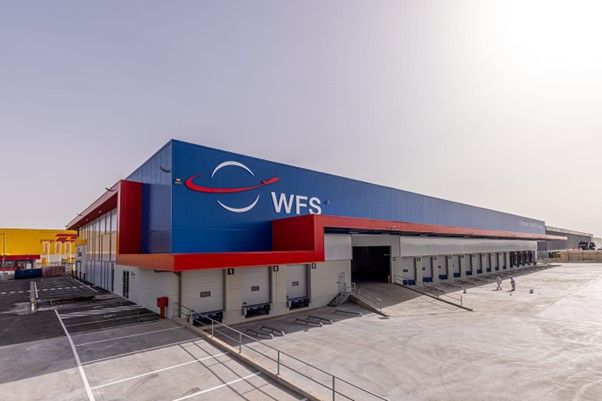
WFS is the second biggest cargo handling agent at MAD – credit: WFS

Madrid-Barajas Airport remains Spain’s leading air cargo gateway, handling close to 60% of the country’s air freight volumes. After strong growth of 22% in 2024, volumes continued to rise in 2025 with an additional 10% increase, supported by connectivity to markets such as Doha, Istanbul, and Bogotá. Sources: Aena and MADCargo.

Within this broader growth context, WFS Madrid is advancing its own digital roadmap, focusing on process efficiency, truck management, and paperless operations at station level. CargoForwarder Global spoke with Rosa María Míguelez, Technology Business Partner – EMEA Cargo, at WFS.

Digital reality for a Ground Handler
For ground handling companies, digitalization has not been optional. “Our job is to move cargo, not data,” Míguelez explains. “But the industry reality means we have to manage both.”

Despite long-standing industry initiatives, the electronic Air Waybill (eAWB) is still not fully adopted. WFS Madrid continues to receive a significant number of paper AWBs which then require manual processing and digital conversion before being transmitted to airlines. This gap alone has justified targeted investment in document handling and data conversion tools.

Another constraint is the lack of early shipment information from freight forwarders. Without advance data, workforce and dock planning remain difficult, and traditional peak days – particularly Mondays and Fridays – continue to dominate operations.

At station level, digital tools are still often seen as a cost rather than an efficiency-driver. At WFS Madrid, the focus is on reducing manual documentation and redeploying staff to higher-value operational tasks, where return on investment is tangible.

Truck flow management and visibility
Among WFS Madrid’s current initiatives is the implementation of truck pre-announcement and self-service kiosks to manage arrivals and pre-assign dock doors. The system is already in use, with full functionality planned for 2026.

“In continental Europe, we subcontract all transport including a large share of Road Feeder Services,” Míguelez says. “Pre-assigned dock doors help us manage throughput and reduce congestion.”

To reduce peak-hour bottlenecks, WFS is also building slot-booking into the process, allowing transport providers to request loading and unloading windows in advance, and helping stations plan resources more accurately.

WFS has launched an RFP for truck traceability solutions to replace today’s fragmented tracking – often handled through phone, email, or messaging – and to manage consolidated loads carrying multiple manifests. Initial deployment will focus on Spain, France, and Belgium, with the longer-term objective of integrating a Transport Management System and creating a real-time ‘control tower’ view of truck movements.

Toward zero paper at station level
Document management is another pillar of WFS Madrid’s digital roadmap. The objective is to eliminate paper across flight-related processes, including the flight pouch, dangerous goods declarations, and operational documentation.

Standardization remains challenging. Even within Spain, cargo security procedures differ between Madrid, Barcelona, and Valencia. “We are talking about one country, but with different processes,” Míguelez says. “In many cases, Madrid is the final security step, which adds operational complexity.”

Lean Six Sigma as a decision framework
WFS uses Lean Six Sigma methodology to prioritize digital initiatives and allocate resources. Digitalization projects are assessed alongside other process improvements, supported by ongoing internal training programs that involve a growing share of employees.

The impact is measurable. WFS Madrid has reduced working hours in import operations and lowered staffing needs at reception points through automation, while maintaining service levels.

A changing cargo profile in Madrid
Operational change is also being driven by shifts in cargo flows. Madrid was traditionally a key European entry point for perishable imports from Latin America, supported by connectivity and established customer hubs.

“That has changed significantly over the past two years. We are still a transit point for perishables, but the growth of e-commerce – especially from China – has been decisive,” Míguelez explains.

According to WFS, much of this volume has shifted from Zaragoza to Madrid. Rosa Miguélez was not fully certain about the reasons, but she believes the main driver is the stronger logistics connectivity offered by Madrid, which is more convenient for e-commerce.

Zaragoza was traditionally an important cargo airport for pharma and medical equipment, a segment that has significantly declined in Spain. In addition, Zaragoza is the export hub for Inditex (Zara, Massimo Dutti, etc.). Its relevance is largely due to its equidistant location from the main Spanish production centers (Madrid, Barcelona, Bilbao, and Valencia), which historically made it very convenient for domestically produced goods. Due to the reduction in pharma and medical equipment volumes, the airport has likely also lost overall cargo traffic.

To reduce imbalances as freighters frequently arrive full and depart empty, WFS has reconfigured storage space, increasing the focus on ULD management, and expanding the use of rolling equipment.

Madrid is also increasingly used as a stopover for cargo originating in China and destined for Latin America, reinforcing its role as an intercontinental transfer point.

The need for a stronger Cargo Community
Despite progress at company level, Míguelez points to a structural weakness at Madrid-Barajas: the absence of a strong, unified cargo community. “Airlines, forwarders, handlers, and transport companies still work too independently,” she says.

In other major European cargo gateways, airport-level cargo communities play an active coordinating role, aligning stakeholders around shared digital platforms, security processes, and operational standards. At Madrid, that level of coordination is still fragmented, limiting the effectiveness of individual digital initiatives.

As volumes rise and cargo flows become more complex, she argues that Madrid’s next competitive step will depend less on infrastructure and more on collective governance.

At Madrid Airport, airlines can choose between different cargo handling agents. IAG Group member, South, is the largest local player, followed by WFS and Swissport. Some smaller ones have specialized in live animal transport or cargo traffic to and from the Canary Islands.

Three-way battle for TAP

0

The bride, TAP, is in a comfortable position: three attractive suitors are courting her. They are Air France-KLM, Lufthansa, and IAG. Following the takeover of SAS by Air France-KLM, the purchase of Italy’s ITA by Lufthansa, and the announced entry of Turkish Airlines into the private Spanish airline, Air Europa, Portugal’s TAP is the last major legally independent European airline alongside LOT from Poland, and Finland’s Finnair. In the case of TAP, this is likely to change in the current year.

TAP is a highly sought-after candidate. It operates 22 Airbus A330, which are the backbone of its long-haul fleet – company courtesy

Interested parties are knocking on TAP’s door and, in two cases, have already announced their intention to submit non-binding bids to Parpública, the Portuguese public investment company (more here).

These are AirFrance-KLM and Lufthansa, which have expressed a stark interest in the Lisbon-headquartered airline as done by the IAG Group before.

The Portuguese state can expect €700 million from the transaction
Based on the number of aircraft, its route network and other assets, analysts value TAP’s strategic stake for privatization at around €1.5 billion. However, only 44.9% will be sold to an investor, while Parpública announced that it would block 5% of the shares for the airline’s employees. This means that owner, Parpública, will receive around €700 million for the partial sale of the airline, assuming that the interested parties do not drive the price up to astronomical heights for competitive reasons. In any case, the Portuguese state will remain the majority shareholder in the country’s flag carrier (50.1%).

Who is in a stronger position?
In terms of prospects of success, Lufthansa has the advantage that TAP is a member of the Star Alliance. Another plus point is that the airline’s Hamburg-based technical subsidiary, Lufthansa Technik, recently announced plans to build a new repair, overhaul, and maintenance center in Santa Maria da Feira near Porto, with a focus on engine maintenance. The number of employees there is expected to more than double from currently 450 to 1,000 by 2030. If Lufthansa is awarded the contract, the German airline announced that it would develop Lisbon’s Humberto Delgado Airport into a passenger and cargo gateway for air traffic to/from South America and parts of Africa.

Its competitor, Air France-KLM is likely to make the most attractive financial offer. IAG, on the other hand, is considered to have little chance of success, as it already owns the Spanish airlines, Iberia and Vueling, making it the dominant carrier on the Iberian Peninsula. This is likely to be an important criterion for EU competition watchdogs in their upcoming decision on the fate of TAP.

TAP earns money again
The carrier is back in the black, it is strategically important for passenger and cargo flows between southwestern Europe and Brazil. It currently operates passenger services to 13 destinations in Brazil [TAP does not have any cargo aircraft], with Sao Paulo, Rio de Janeiro, Belo Horizonte, and Brasilia included in its route map.

The free trade agreement between the EU and Mercosur countries, which was announced some time ago and approved by the EU Commission on 09JAN26, is also likely to have contributed to the increased interest of Air France-KLM and Lufthansa in TAP. The Mercosur block includes Brazil, Argentina, Paraguay, and Uruguay. Together, the new transatlantic free trade zone comprises 700 million inhabitants, making it globally the largest of its kind. Once the agreement comes into force, there will also be an increase in ocean and air freight transport between the participating markets, spurring automotive, pharma and chemical products from east to west, and agrarian produce from Latin America to Europe. Passenger traffic will also grow on routes across the South Atlantic 

Three key requirements
Back to Parpública which celebrated its 25th year of existence in SEP25: These are the three most important criteria for the partial privatization of TAP, echoed by the state holding:  

  • Enhancing TAP’s role as a key provider of highly skilled jobs in aviation, engineering, and maintenance
  • Sustaining essential domestic and international routes (e.g., Portuguese-speaking destinations), which include links to key African countries (Angola, Mozambique, etc.)
  • Preserving TAP’s well-established identity as Portugal’s flag carrier, with the development of a sound industrial plan and strategic routes.

After reviewing the non-binding bids, Parpública will ask the applicants to submit a comprehensive purchase proposal. The decisive factor here is not only the price they are willing to pay, but also the overall package they present for securing the future of TAP.

It is expected that the negotiations will take months, with analysts awaiting an announcement on the future of TAP by next summer.

A sad start to the new year

2

The German logistics industry lost two of its leading figures, forever: Dieter Haltmayer from Quick Cargo Service, and Günther Gasthuber from IGLU Air Cargo. Haltmayer, in particular, but also Gasthuber, shaped the industry for years and left a lasting mark through their work. Through numerous meetings, interviews, and regular exchanges of information, CargoForwarder Global greatly benefited from the professional and, in the case of Dieter Haltmayer, friendly relationship with the two managers. They will be sorely missed in the logistics industry, especially in the air freight sector.

We would like to bid them farewell with the following tribute to the work of the founder of Quick Cargo Service, Dieter Haltmayer (91), by close friends and pioneers, followed by a separate obituary for Günther Gasthuber (66).

Dieter and Günther, Rest in Peace. Heiner

An icon of the freight forwarding and air cargo industry has departed forever – photo: courtesy Haltmayer family

Obituary for Dieter Haltmayer

Ram Menen, former head of Emirates Sky Cargo:
Dieter passed away on Friday the 2nd January. I was so looking forward to his 100th and I was sure that he would definitely make it. So, Dieter’s passing came as a shock.

He was an amazing human being and a very good friend. What always impressed me most was not the company he built, but the way he treated people. Even at 91, Dieter remembered names, stories and small details, and he had an instinct for when someone needed encouragement or a firm word. He was still active and went to the office to be with his team. He lived his values openly: loyalty to his team, deep love for his family, and a quiet pride in seeing the next generation take over what he had started.

The last I communicated with him was a couple of months back just after his 91st birthday, when his house also got burgled. I was really taken aback when I got a call from Heidi last Sunday (04JAN25). Apparently, his end came with fluids building up in his body and lungs (following a pneumonia). All his family were with him during the last moments. He was blessed to have such a loving family. God bless him and may his soul rest in peace. We have all lost a good friend and the industry has lost a legend.

J. Florian Pfaff, Aviation Consulting, former Lufthansa Cargo Vice President
When my friend, Stephan Haltmayer, called me on Sunday evening [04JAN26], I already had a premonition. And indeed: just two weeks after my last phone call with Dieter Haltmayer, I learned from his son of the death of a friend, business partner, and role model in many ways.

My relationship with Dieter Haltmayer – and thus with his family and his life’s work, Quick Cargo Service – began in the 1990s. Dieter Haltmayer was always a loyal but also critically constructive customer of Lufthansa Cargo, for whom I had the privilege of working for more than 36 years. Over the years, I had the honor of presenting him with several awards in the field of digitalization and innovation – a clear sign of how early and visionary he was as a medium-sized freight forwarder, in anticipating developments in air freight.

To truly understand his entire life’s work, I recommend his book: Mein Leben für die Fracht [Cargo is my Life]. It reads like a journey through the history of air freight and should be required reading for every aspiring airliner and freight forwarder. Before Dieter founded his own company, he worked for several years as an airline colleague.

Quick Cargo Service, or QCS in short, grew over the years from a small start-up to a successful group of companies with stations in many European countries. In addition to this impressive entrepreneurial achievement, Dieter knew how to bind his family closely to the company. With Stephan, Jennifer, and Heidi, the second generation is now in management, and the third generation has already taken on responsibility.

One of Dieter’s greatest talents was not only founding and expanding a successful company, but also developing it within the family, thereby strengthening family ties. In this respect, too, my friend Dieter was a role model.

His tireless optimism and infectious good humor were particularly outstanding; he was a cheerful Rhinelander from head to toe.

Our families are connected by a friendship that would not have existed without him. We look back on many cheerful hours spent together.

Dieter will be remembered as an icon of the air freight industry. He was a loyal customer to Lufthansa Cargo. He has shaped the air freight business for years. But above all: He was a personal friend who will be sorely missed.

Thank you, Dieter, for the time you spent with us.

Desmond Vertannes, previous head of IATA Cargo
The industry has lost a true leader and personality. An airline man who transitioned to become a legend in forwarding and logistics. Dieter was enthusiastic and passionate but occasionally stubborn when he felt there was injustice. Dieter became a very special friend, and he knew who he could and would collaborate with and trust.

He was innovative, his personality oozed charm, wit, integrity and sincerity. His baby, QCS, has become a global force (enhanced by the pivotal roles played by Stephan, Heidi and Jennifer). Which Dad can proudly boast that all his children are active in his company?

Yet, in the company’s infancy he felt it wasn’t getting the same opportunities befitting multinationals. So, he created IGLU, an alliance of independent forwarders to compete, and it’s to him and Stephan I turned to when I wanted AMI to open an office in Europe in 2003.

His legacy will never fade, and many, many will share in the sorrow of his passing.

My deepest condolences and thoughts are with Stephan, Heidi and Jennifer and families and staff, and I wish them strength, peace and courage at this very sad time. ‘RIP Dieter, enjoy your flight once again with Maureen.’

Thorsten Hölser, Managing Director, Freight Forwarding and Logistics Association of Hesse/Rhineland-Palatinate
The air freight forwarding company Quick Cargo Service, founded by Dieter Haltmayer, would be a prime example of a typical medium-sized family-run business, according to the first things I heard about Dieter when I entered the freight forwarding industry. 

However, as I have experienced over the past 30 years, there is little that is typical about Quick Cargo Service and Dieter Haltmayer in particular. When others complained about the situation in the air freight industry, Dieter really got going and expanded with new ideas and his willpower to make things happen. For example, As a visionary, he took up the idea of cooperation from road freight transport to air freight in close cooperation with our freight forwarding and logistics association and founded and developed the consolidator IGLU Air Cargo with other likeminded air freight forwarders.

When hot topics were on the table and many top managers in the industry were afraid to speak up, Dieter was the voice of the freight forwarding industry. He never minced his words, which distinguished him as an authentic entrepreneurial personality throughout his life.

Despite his entrepreneurial personality, however, his family was always at the center of his life, and personal encounters with friends were just as valuable to him. With Dieter’s passing, the freight forwarding and logistics industry has lost not only a figurehead in air freight, but also a special person whose vision, sincerity, and warmth we will miss. We will honor Dieter’s memory forever!  

Addendum:
Dieter will be buried on Tuesday (13JAN26), in the family grave in Walldorf near Frankfurt, where his wife Maureen is already laid to rest. According to their son, Stephan, the funeral will be attended by family members and a few very close friends of the family.

His death will have no impact on the QCS property structure. The company will remain in the ownership of the three Haltmayer children: Stephan, Heidi, and Jennifer. And the first members of the upcoming third generation are already involved in management tasks.  HS

Rhenus and Avianca Cargo deliver helicopters to Brazil

0

Both companies have signed a comprehensive contract for the transport of helicopters from the USA to Vitória in Brazil. This is part of a major order comprising 35 helicopters. The helicopters are to be used primarily for crop management and monitoring.

Brazil is a leading producer and exporter of coffee, soybeans and sugar. Last year, agricultural exports from the Latin American country amounted to USD 164.4 billion. This corresponds to about half of Brazil’s total exports. The operation of helicopters allows large areas of farmland to be monitored from the air, including checking the ripeness of agricultural products, determining the harvest time of crops and enabling targeted water management. Rhenus Logistics has played a strategic role in orchestrating the end-to-end solution, from inland transportation in the U.S. to international airlift and final delivery in Brazil.

Rhenus and Avianca Cargo completed a first Helicopter Transport from U.S. to Brazil

One crate per flight
Asked about the specifics of the supply chain, Rhenus USA press officer, Janice Betti told CargoForwarder Global that the first helicopter was transported via truck from the production plant in California to Florida. This was done because there are no direct air services from California to Vitória (VIX). Miami (MIA) serves as the main air cargo hub for Latin America, which is why the consolidation took place in MIA. She went on to say that due to the dimensions of the crates, only one helicopter can be accommodated per flight on board of an A330 freighter.
It is worth highlighting that this operation represents a historic and highly specialized air cargo movement, requiring close coordination with airlines, airports, and local authorities.
Rhenus Logistics played a strategic role in orchestrating the end-to-end solution, from inland transportation in the U.S. to international airlift and final delivery in Brazil.
Janice pointed out that “for compliance reasons, we are unable to disclose customer or [helicopter] manufacturer names.”

Faster, leaner, more cost effective
Vitória Eurico Airport is located around 500 km northeast of Rio de Janeiro on the South Atlantic coast. In addition to Avianca, other well-known intercontinental airlines operate scheduled services there, such as TAP Portugal, American Airlines, KLM, LATAM, and Emirates.
The entire helicopter process was jointly managed by the U.S. and Brazilian teams of Rhenus and Avianca Cargo, covering the complete supply chain door to door including customs procedures. “Historically, helicopter shipments into Brazil would land at Viracopos Airport (VCP) near Sao Paulo, requiring complex bonded trucking to Vitória for customs clearance, then returning to São Paulo for final delivery. This practice is time-consuming and operationally inefficient,” said Christian Luque, Regional Head Key Accounts Tech-Trade Americas, Rhenus Logistics. “By flying directly into VIX, we’ve eliminated multiple legs and created a faster, leaner, and more cost-effective solution.” This operation sets a new benchmark for the airspace high-value cargo in Brazil and the ability to streamline delivery directly through Vitória represents a major step forward in efficiency and service excellence, emphasized the Rhenus executive.

Avianca Cargo will increase its activities in Brazil
“This operation showcases the expertise and capability we’ve built to handle specialized and oversize cargo, efficiently connecting the United States and Latin America through logistics solutions that open new opportunities for our customers and the region,” affirmed Diogo Elias, CEO of Avianca Cargo. He went on to say that his Bogota, Colombia-based airline intends to further strengthen its presence in Brazil by offering innovative options to the market that drive competitiveness and economic development.
In response, Jacques Nijankin, Head of Air Freight North America for Rhenus Logistics, pointed out that his company is proud to support this project, ensuring the safe, efficient, and timely delivery of the helicopters. “Our expertise in managing complex air freight operations through our Miami gateway service, allows us to meet the growing demand for quick and reliable transportation to Latin America, especially in industries like agribusiness that are vital to Brazil’s economy. Being part of this milestone for VIX also highlights our ability to navigate complex logistics scenarios and create new opportunities for air cargo in the region,” Nijankin concluded. More helicopter deliveries are to come throughout 2026, Rhenus USA confirmed.

Who won with the EU PLACI programs?

0

The year 2025 started with an alarming sense of urgency in global trade, as tariff regulations fluctuated amid a self-initiated competition driven by the United States. The international reaction triggered volatility across global markets, and the full consequences are still yet to be measured. Possibly for this reason, the multimodal implementation of ICS2 did not receive the attention it deserved, despite its significant impact on all cargo entering Europe. Who, in reality, were the winners?

Illustration: Courtesy IATA

What Pre-Load Customs Systems are
Pre-load customs systems require airlines (or freight handlers) to send shipment data to customs authorities before cargo is loaded onto the aircraft. The objective is to allow customs to perform a risk assessment in advance, stopping high-risk shipments before they ever leave the ground.
The most common global framework for this is PLACI – Pre-Loading Advance Cargo Information. Governments implement PLACI to detect security threats earlier, prevent dangerous goods or illicit shipments from boarding aircraft, and streamline clearance by shifting risk assessment upfront.

Some major PLACI programs include:

  • U.S. ACAS
  • EU ICS2
  • Canada’s PLACI program
  • UAE, UK, and others rolling out similar models.

How everything started
In 2014, the ACAS started its pilot phase in the U.S., becoming operationally mandatory in 2018. This was the first true PLACI program and became the global reference model. Shortly afterwards, between 2019 and 2021, Canada introduced and enforced its own PLACI requirements, closely aligned with the U.S. ACAS concept.
In 2021, the European Union launched its first PLACI implementation under ICS2, initially mandatory for postal and express consignments. The second phase (Release 2) came into force in 2023, extending requirements to air cargo and mail. Finally, during 2024-2025, Release 3 was implemented, covering the full multimodal scope.
In parallel, the UK implemented its own PLACI-aligned regime post-Brexit, broadly mirroring EU and U.S. principles.
From 2018 onward, many other states, including the UAE, Japan, and Australia, adopted PLACI-style pre-loading risk screening models, often based on ACAS and ICS2. What was once perceived as temporary or regional has proven to be neither: PLACI has become a permanent global standard, mandated and expanding through 2024-2025.
PLACI was triggered politically by fear of airborne terror attacks and economically by the catastrophic cost of failure. Data-driven risk screening was selected as the fastest and most cost-effective control mechanism available to governments.

Why PLACI exists
PLACI exists because governments do not fully trust the air cargo industryto self-police security risks. It functions as:

  • A control mechanism
  • A deterrent
  • A data-collection tool

Trade efficiency was added later as a justification. It was not the original driver.

The real winners in the PLACI world
Beyond IT, data and compliance vendors – who saw a pre-enforcement revenue boom as PLACI forced the industry to invest in messaging hubs, data validation tools, and customs connectivity – the winners are clear.

  • Governments and customs authorities, who gained pre-flight visibility into global cargo flows, enabling a significant increase in risk prevention rather than post-incident response, and centralized control using data instead of manpower.
  • Intelligence and security agencies, for whom PLACI provides direct and structured data feeds.
  • Digitally mature forwarders, who benefited from advanced cargo data requirements by gaining a competitive advantage over manual operators. Cleaner data translated directly into fewer RFIs and smoother operational flows.
  • Large, well-automated airlines, particularly those with strong cargo IT systems, automated checks, and tight acceptance controls. Smaller or legacy airlines continue to struggle in this environment.

What comes after PLACI
PLACI didn’t improve the industry; it ranked it. Airlines became enforcement points rather than decision-makers, and this trend will intensify, not reverse. Cost pressure shifted upstream permanently: forwarders must now invest in IT, ensure data quality earlier, and train staff accordingly, while airlines face increasing pressure to maintain pre-loading systems and manage the operational impact of DNL/RFI decisions. Governments and the intelligence agencies effectively transferred aviation security costs from the state to the private sector. PLACI is not the end state. Governments are already aware of its limitations. The next phase will focus on deeper control, increased automation, and stronger accountability mechanisms. The balance of power didn’t disappear; it moved upstream – and hardened permanently.

Spotlight on… Riley Lane, Assistant Manager of Operations, TIACA

0

Each week, CargoForwarder Global’s ‘Spotlight On…’ focuses on a specific segment of the air cargo industry. The industry is highly fragmented in its individual responsibilities when it comes to ensuring the safe, secure and efficient transport of freight from one part of the world to another, which means that trade associations are indispensable in bringing the industry together and providing a consolidated voice to authorities, regulators, and decision makers. One such trade association is The International Air Cargo Association – TIACA. Its members span airlines, airports, forwarders, ground handlers, road carriers, customs brokers, logistics firms, shippers, IT providers, equipment manufacturers, trade media, and training institutions, and it strives for a safe, profitable and united air cargo industry that embraces modern technologies and practices, and operates sustainably and fairly. Riley Lane, Assistant Manager of Operations at TIACA, sheds light on her role and shares views and advice.

A chance conversation led to a job in air cargo. Image: Riley Lane

CFG: What is your current function and company? And what are your responsibilities?
RL: I am the Assistant Manager of Operations at TIACA, where I oversee a range of responsibilities including event planning and management, on-site event operations, and conducting BlueSky Sustainability Verification Assessments. I am also involved in website and app design, as well as communication and outreach initiatives.

CFG: What does a normal day look like for you?
RL: A typical day in my role is fast-paced and varied. I usually start by checking emails, messages, and project deadlines before joining any virtual meetings with clients, vendors, or teammates to align on updates. Much of my day is spent coordinating logistics – from managing speaker schedules and hotel or flight bookings, to organizing event shipments and materials. I also keep event documents and media barters up to date, respond to inquiries from members, attendees, or speakers, and collaborate with the marketing and design teams on event materials and promotions. Throughout the day, I track registrations, shipments, and expenses, prepare reports or presentations to keep everyone informed, and handle any last-minute changes that inevitably come up. In addition to events, I ensure all BlueSky outreach and assessment preparations are in place for a seamless execution.

CFG: How long have you been in the air cargo industry, and what brought you to it?
RL: 2 years. I was brought into the industry by TIACA, 2 years ago, as I met my current boss, Rachael, at the ACF 2022 in Miami Beach by chance. I was at the event hotel and Rachael began telling me about TIACA and a job opportunity. I was immediately interested and submitted my resume. The wonderful people brought me to the air cargo industry and continue to keep me here.

CFG: What do you enjoy most about your job?
RL: I enjoy the community and traveling. This job has taught me about the many regions of the world, and the amazing people in it. Event planning has been a long-time passion, and I am so thankful to be able to do something I love.

CFG: Where do you see the greatest challenges in our industry?
RL: One of the biggest challenges facing the air cargo industry is advancing our sustainability efforts. As a collective, we need to take bold steps toward a more sustainable future. While there may be an initial investment, the long-term benefits and returns from implementing sustainable practices will far outweigh the costs.

CFG: What advice would you give to people looking to get into the air cargo industry?
RL: My biggest advice would be to find a mentor. Beginning in the air cargo industry without any prior experience would have been more overwhelming had I not had a team of mentors to help guide and train me. There are many training courses offered for the air cargo industry, and I would recommend finding one that pertains to the sector of air cargo they are most interested in.

CFG: If the air cargo industry were a film/book, what would its title be?
RL: ‘Freight Without Borders’

Many thanks, Riley.


If you would like to share your personal air cargo story with our CargoForwarder Global readers, feel free to send your answers to the above questions to cargoforwarderglobal@kopfpilot.atWe look forward to shining a spotlight on your job area, views, and experiences.

DHL GF and Air France KLM Martinair Cargo (AFKLMP) join forces to reduce CO2 emissions

0

The two companies have signed anew framework agreement for emission reduction rights. The contractfurther deepens their joint commitment to decarbonizing the air freight industry and is astrategic lever for book-and-claim-based CO2e decline. It is based on their environmental partnership from 2022, which will be expanded and intensified by the new initiative.

The signing of the framework agreement was celebrated on Thursday (18DEC25) in Amsterdam, attended by a small group of high-ranking representatives from both companies.
The accord puts a clear focus on emission reduction claims by emphasizing the development of market-ready book-and-claim models to advance SAF solutions across the aviation and transport sectors.
“This agreement shows what collaborative decarbonization in air freight can look like,” said Henk Venema, Executive Vice President of Global Air Freight at DHL Global Forwarding. “Emission Reduction Rights provide predictability, scalability, and transparency – three critical factors for sustainable aviation fuels to make a real impact within the market. Together with AFKLMP, we are establishing a foundation that can serve as a model for the entire industry,” the executive declared.

Spot the errors in this AI-generated image of an air cargo warehouse. Image: Bing Image Creator/CFG

Long-term approach
DHL Global Forwarding’s collaboration with AFKLMP goes far beyond traditional sustainable aviation fuel procurement. Instead of relying solely on transactional fuel purchases, the partnership centers on a structured, long-term approach to accelerate the adoption of SAF and digital verification processes in the marketplace. For DHL, this is a strategic move that strengthens its position as a leader in emission-reduced air freight, its press release reads. As part of the accord, the Deutsche Post subsidiary recently signed a work order for 35,000 metric tons of CO2e WTW (Well-to-Wheel) emission reduction rights.
“We are proud to renew this partnership with DHL Global Forwarding, a clear sign of leadership,” commented GertJan Roelands, SVP Commercial at Air France KLM Martinair Cargo. “Our shared ambition and continued collaboration on SAF are fundamental to scaling the solutions needed to reduce the carbon footprint of the air freight industry.” The executive went on to say that the new agreement reflects mutual trust, operational commitment, and a firm belief that only through close cooperation can meaningful change across the air freight value chain be achieved.

DHL targets 30% SAF by 2030
AFKLMP has long been one of the top-performing partners in DHL’s GoGreen Carrier Evaluation Program, and actively participates in joint industry initiatives, conferences, and webinars to promote transparency, standards, and practical solutions for more sustainable air freight. Both companies share the goal of further developing book-and-claim models to ensure businesses of all sizes have access to reliable and scalable emission reductions, even if sustainable fuels and technologies are not yet physically available on their trade lanes.
The partnership with AFKLMP plays a central role in DHL Group’s aim to increase the use of SAF to 30% come 2030. This will be achieved by enabling measurable emission reductions and by the company’s aim to further paving the way for standardized, globally applicable market mechanisms.

‘book & claim’ scheme lowers fossil fuel burn
DHL’s GoGreen Plus products provide decarbonized solutions across DHL’s core offerings by leveraging sustainable fuels and low carbon technology. This is enabled by the company’s ‘book & claim’ approach that allows DHL to directly replace fossil fuels with sustainable fuels within the logistic company’s network and allocate environmental benefits to paying customers, even when their shipments are not physically transported with the assets using these fuels. GoGreen Plus allows DHL’s customers to reduce their indirect Scope 3 emissions in their value chain arising from upstream and downstream transportation and distribution.

Forwarders expect margins to tighten further in 2026

In a survey conducted by market analysts from OntegosCloud, the vast majority of forwarding agents worldwide are bracing for another year of margin pressure in 2026. The findings reflect a global market development facing a prolonged period of structural headwinds. This could trigger another wave of industrial consolidation.

The results of the survey are particularly worrying for small and medium-sized air and sea freight forwarders. With pressure on profit margins continuing to grow, parts of the industry are facing an existential threat. Economic hardship is turning them into takeover candidates for financially strong competitors, forcing them to concentrate on niche businesses or stepping out of economic activities altogether.

Illustration – courtesy: OntegosCloud

Mounting pressure
OntegosCloud’s market analysis is based on a wealth of data and feedback from companies in Europe, the Middle East, America, and the Far East. The study identifies five risks most likely to erode profits in 2026 and highlights both external market pressures and critical internal blind spots. “Forwarders are heading into 2026 with commercial drag coming from every direction, softening rates, unpredictable surcharges and ongoing geopolitical disruption,” summarized Oliver Gritz, Co-Founder of OntegosCloud. “What this analysis shows, however, is that the biggest threat to profitability is not just external volatility, but what forwarders fail to see and control inside their own operations.” The identification and elimination of internal weak spots should therefore be a key focus of organizational and strategic decisions to minimize economic and monetary hiccups.

Five risks set to define forwarder profitability in 2026
The first risk highlighted is margin compression driven by sustained low or normalized freight rates. Those surveyed are overwhelmingly expecting yield pressure to continue as overcapacity and soft demand persist. In fact, 92% of respondents said they anticipate returns to tighten further come 2026.
Nearly 63% of those surveyed said surcharge volatility is likely to be their most disruptive external risk next year. This applies not only to sea freight but also to air freight whose business model is hampered by political instability and Washington’s unpredictable tariff decisions.
A third major concern are fuel and insurance costs that remain unpredictable across Middle Eastern and Indian Ocean corridors, and 54% of forwarders said geopolitical instability will directly affect their operating costs in 2026.
The fourth risk identified was softening demand in the U.S. and Europe, where import volumes are uncertain as consumer spending slows. Here, 52% of respondents said weakening demand in major consumer markets will affect their volumes and pricing power.

Shortcomings in digitalization must end
Finally, respondents expressed growing concern about financial leakage linked to analogue workflows and fragmented operating models leading to delayed billing and inaccurate cost capture as repeated issues. OntegosCloud’s platform analysis shows that 74% of forwarders believe manual invoicing and data-entry processes are responsible for the majority of preventable leakage, with non-automated files experiencing significantly more leakage than automated ones.

All I want for Christmas… is Cyber Hygiene awareness

1

When a large airline faced major disruption last week due to a “multitude of unforeseen operational challenges” [their words], it understandably left many of those who had expected to fly on one of the +1000 cancelled flights, frustrated. Images of boarding passes and lengthy complaints began appearing on LinkedIn, leading to a warning post from me, because it would seem that not everyone is aware of the potential risks they are exposing themselves to, if they share sensitive data online. And what a boarding pass says about a passenger is similar to what an AWB says about a shipment. Ergo, Cyber Hygiene is a must and, in the face of increasing Cyber Security threats, awareness of what can go wrong is all the more important.

When I worked for a major cargo airline, dabbling in marketing at one point because there was a need for support (and I have always been a Jill of All Trades), I remember being instructed not to show AWB information on any cargo warehouse or apron images being used in company communication. Those were the days prior to most of us having access to high-quality cameras in our pockets, in the shape of smartphones. And even barcode scanners were a relatively new thing. Nevertheless, we were told that competitors should not be able to see who our customers were, nor should criminals gain access to shipment information as this could lead to risk of theft, for example. Granted, in those days, they would have had to work a little more to extract the information they were looking for.

Spot the errors in this AI-generated image of an air cargo warehouse. Image: Bing Image Creator/CFG

The risk is even bigger these days
These days, however, everyone and anyone working in or walking through a cargo warehouse, owns a smartphone and can upload images online in the blink of an eye. Many of us enjoy sharing what we do, online – and that can include ‘behind the scenes’ videos or images from work. A great way to attract new talent, but also unwanted attention, fraud, and security risks. Phones can also function as scanners. More information is digitally available online. AI potentials are increasing. Drone cameras exist – as do things like Google Glasses which are also capable of barcode scanning.
Vulnerability is on the increase not only because our industry is so fast paced, but also due to plethora of opportunities cybercriminals have at their fingertips. Imagine – many warehouses have video surveillance. What if that system gets hacked, for example?
Am I exaggerating or unnecessarily pessimistic? Perhaps, but there is a point to get across to your colleagues or employees

Treat AWB details like payment/identity data
Cyber hygiene in air cargo increasingly hinges on what staff share online as much as on firewalls and passwords, and images containing Air Waybill (AWB) data are a growing, often overlooked risk. Treating AWB details like payment or identity data is essential cyber hygiene for any airline, GSSA, forwarder, or handler.
Why? Because an AWB is not just a neutral cargo label. In a digitalized air cargo environment, an AWB label is effectively an access key and intelligence source for organized crime. AWBs typically reveal sensitive shipment and customer data such as shipper/consignee names and addresses, descriptions, routing, weight/volume, and unique shipment identifiers. All that information can be exploited for cyber-enabled cargo theft, fraud, or privacy breaches.
Many air cargo systems allow shipment look-up or status changes using just the AWB number along with basic shipment data – very similar to how passenger sites allow access with a booking reference and name. So, when an AWB label or manifest is posted publicly, high-value and sensitive shipments become visible to anyone, increasing targeting risks, including theft, fraud, and extortion.

Parallels with boarding pass oversharing
Passenger cybersecurity incidents show how dangerous ‘just a photo’ can be when it contains codes and identifiers. Boarding passes have enabled attackers to access bookings, change flights, and harvest personal data using visible PNR locators and barcodes; AWB barcodes and numbers can be used in analogous ways on cargo portals. Just as boarding pass barcodes can be decoded from social media photos, AWB barcodes can reveal structured shipment data far beyond what the naked eye sees. In addition, location and timing embedded in photos (in the form of metadata or geotags) can reveal when high-value shipments are in specific facilities, providing intelligence for physical crime as well as cyberattack planning.

Enabling cyber‑enabled cargo theft
Public AWB images make it easier for organized groups to target high‑value and time‑critical loads. Criminals increasingly combine cyber techniques with logistics knowledge to identify profitable shipments and orchestrate strategic thefts, such as impostor pickups and diversions. Knowing the AWB, route, timing, and commodity profile helps attackers plan impersonation, fake collection instructions, or fraudulent delivery changes that reroute cargo.
Attackers could use visible AWB numbers and basic shipment data to attempt access to airline or forwarder tracking portals, change delivery details, or download documents that reveal more sensitive information, for example. They can exploit real shipment references and customer names from AWB labels to craft convincing emails, calls, or platform messages that request account access, payment changes, or document reuploads. Or they can convincingly impersonate shippers, consignees, or ground handlers to request diversions, pickups, or data ‘corrections’.
And then there’s the issue that I was warned of a couple of decades ago: ‘competitive and commercial espionage’. Regular leaks of AWB labels on social media can reveal customer lists, trade lanes, and volumes, and – aside from the obvious data protection breach – this can greatly undermine commercial confidentiality and contract obligations.

Cyber hygiene basics for AWB handling
So, to avoid negative consequences, theft, fraud, and other problems, you should ensure cyber hygiene awareness throughout your company and make sure that everyone is aware of the risks.

  • Treat AWB data as sensitive: Classify AWBs and related labels as confidential business information, subject to the same restrictions as financial or HR data.
  • Enforce a ‘no uncensored AWBs online’ rule: Corporate social media and personal posts from work should never show readable AWB numbers, barcodes, addresses, or detailed commodity descriptions.
  • Mask before you post: If operations or marketing demand photos, insist on full masking or blurring of AWB numbers, barcodes, names, and addresses, and avoid photographing entire pallets of labelled freight.
  • Control metadata and geotags: Disable automatic geotagging and strip metadata from images taken in secure areas to reduce location leakage.
  • Align with aviation cybersecurity frameworks: Cyber hygiene policies around information sharing should be integrated with broader aviation cybersecurity guidance from ICAO, IATA, and regional regulators.

Build an air cargo security culture
Regularly awareness training showing the negative consequences of social media oversharing should be implemented, along with a clear, simple message: “Treat AWBs like you would your credit card details”. Never photograph them, never post them, and challenge colleagues who do.
The more hyper-connected the air cargo industry becomes, the more crucial it is that everyone understands the danger of oversharing online.
Let’s dedicate 2026 to Cyber Hygiene. What do you think?

With renewed resilience into the New Year!

0

This time, last year, the uncertainty of the pending U.S. tariffs were the main topic of discussion. As the year 2025 panned out, air cargo proved its ongoing resilience in navigating around those ever-changing obstacles – and much of this was already illustrated in our IATA article, last Sunday. Other challenges such as geopolitical tensions, limited aircraft availability, freighter production and conversion delays, volatile weather impacts, labor shortages, will continue into 2026, and yet most market analysts are cautiously optimistic about the coming year. As always, time will tell.

May 2026 bring opportunity, innovation, and greener skies. Image: CFG/Canva

New Year, New You!
If your company is already in good shape, why not show it off in CFG? Or share your improvement journey with our readers? CFG is always happy to showcase success stories, best demonstrated practices, and guest opinion pieces on the air cargo industry’s many focus topics such as new business partners, network/infrastructure expansion, sustainability, digitalization, innovation and products, routes, freighters, strategic milestone achievements, and many more. Also, our established Spotlight On… series is the perfect chance to attract new talent to air cargo logistics. As they say, you can’t be what you can’t see – so show what you or your colleagues do, and inspire someone.

Happy New Year!
We extend our thanks to you, our many readers, sponsors, guest authors, contributors, and media partners for your input, feedback and collaboration in 2025. We look forward to experiencing 2026 with you, too.

Our first new year edition of CargoForwarder Global will be sent out on Sunday, 11JAN26. If you would like to see your article or advert in there or in a subsequent issue, simply send an email to us at hs@cgofor.eu.

CFG wishes you all a peaceful festive season and a positive start to the new year.

Your CargoForwarder Global Team