Home Blog Page 65

IBS Software and Luxcargo Handling power Luxembourg

0

Cargolux subsidiary, Luxcargo Handling and IBS Software recently announced their partnership with a view to digitally transforming ground handling in Luxembourg, using IBS’ iCargo Cargo Terminal Operations (CTO). The handler can currently deal with up to 1,200,000 tons of cargo per year and was looking to upgrade the digital systems in place to steer its ground handling operations. iCargo promises efficiency, transparency, speed, and paperless processes. Yet, how will IBS Software go about preparing Luxcargo Handling for the transition? CargoForwarder Global (CFG) asked Radhesh Menon (RM), Head of Cargo and Logistics Solution at IBS Software, for a few more details.
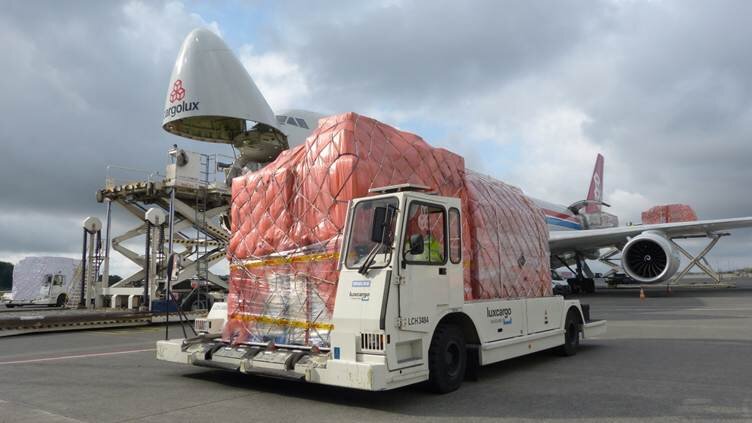
Unlocking new and efficient ways of working over in LUX. Image: Luxcargo Handling

Digital first functions are on Luxcargo Handling’s menu. Soon, it will benefit from iCargo CTO functions such as barcode scanner enabled operations with real time data capture, data driven processes, real time visibility and control, accelerated adoption of paperless processes, digitized workflows, compliance with industry standards, and eventually meet ONE Record’s standards.

Sébastien Bauce, Executive Vice President at Luxcargo Handling, said: “Partnering with IBS Software will give us the opportunity to leverage digitization to consistently and easily deliver efficient ground handling services. Updating our legacy systems will allow us to have more visibility over our operations, and data, unlocking new and efficient ways of working.

Radhesh Menon, Head of Cargo and Logistics Solution at IBS Software, commented: “This partnership with Luxcargo Handling, a key and active air freight platform in Europe, shows how the iCargo and iCargo CTO solution can meet the varied needs of air cargo and ground handling operators. We look forward to seeing the new digital capabilities that Luxcargo Handling will leverage as they continue to play a significant role in the successful distribution of global goods.”

IBS Software is now in the process of automating all air cargo transportation in and out of Luxembourg at the heart of Europe, and one of its key cargo hubs. Radhesh Menon answered a series of CFG questions regarding the iCargo CTO implementation.

CFG: Is Luxcargo Handling the first to implement iCargo CTO?

RM: No. IBS Software’s iCargo Cargo Terminal Operations (CTO) solution has already been successfully implemented across several leading ground handling and cargo organizations globally, including major airport and cargo terminal operators in Europe, the Middle East, and Asia-Pacific. Luxcargo Handling — a 100% subsidiary of Cargolux Airlines, one of the world’s largest all-cargo carriers — joins this expanding global user community to leverage a platform proven to drive operational excellence, transparency, and standardization across ground handling processes.

CFG: Has Luxcargo Handling already piloted processes, or is the implementation just starting?

RM: The implementation project commenced earlier this year (APR25) and is currently in its initial phases. The collaboration began with detailed process mapping, systems design, and integration planning. Luxcargo Handling and IBS Software are now working closely to align the solution with specific operational requirements at Luxembourg Airport (LUX). A phased validation and testing approach will ensure that each functional area is optimized before the full go-live in 2027.

CFG: Which core ground handling processes will be digitalized first?

RM: Luxcargo Handling has chosen a “big bang” implementation approach, meaning all critical cargo handling processes will be launched simultaneously rather than in phases. This includes mobility-driven, automation-focused operations designed to significantly reduce paper-based processes. The workflows will feature intuitive, wizard-like navigation and a progressive roadmap toward fully automated, work-order orchestrated processes – ultimately driving optimized, digitally enabled operations. The transformation will create a seamlessly unified business landscape, covering semi-automated warehouse operations, integration with Transport Management Systems for efficient door and dock handling, real-time dashboards for on-floor visibility, and connectivity to regulatory gateways and financial accounting systems. These capabilities will ensure compliance, streamlined billing, and smooth end-to-end operational flow.

CFG: How far along is Luxcargo in adopting IATA’s ONE Record? Will it be ready by 01JAN26?

RM: The iCargo platform is fully aligned with IATA’s ONE Record standards and will be certified for compliance by JAN26. While Luxcargo Handling’s full go-live is scheduled for 2027, it will benefit from these capabilities from day one – ensuring data interoperability and real-time connectivity with customers, partners, and authorities in line with IATA’s digital cargo roadmap.

CFG: Will other airlines benefit from Luxcargo Handling’s implementation of iCargo CTO, or only Cargolux?

RM: Luxcargo Handling serves multiple cargo airlines operating at Luxembourg Airport, in addition to its parent company, Cargolux. The deployment of iCargo CTO will therefore benefit a broad network of international carriers through faster processing, improved service reliability, and seamless digital integration. This project effectively elevates Luxembourg Airport’s position as a digitally advanced cargo hub in Europe.

CFG: How will training be conducted? How many employees will require training?

RM: A comprehensive six-month training program is planned, covering approximately 200 operational and administrative employees. This will include hands-on system workshops, simulation exercises, and role-based certification to ensure consistent user adoption across departments. IBS Software will provide on-site and remote support, as well as a train-the-trainer framework to build long-term internal expertise.

CFG: What is the project budget and expected ROI?

RM: The financial details, including project budget and ROI projections, remain confidential. However, both organizations anticipate strong returns through productivity gains, reduced errors, faster processing times and improved customer satisfaction enabled by the digital transformation.

Thank you, Radhesh, for these insights.

BUD Cargo Day fostered hope in turbulent times

0

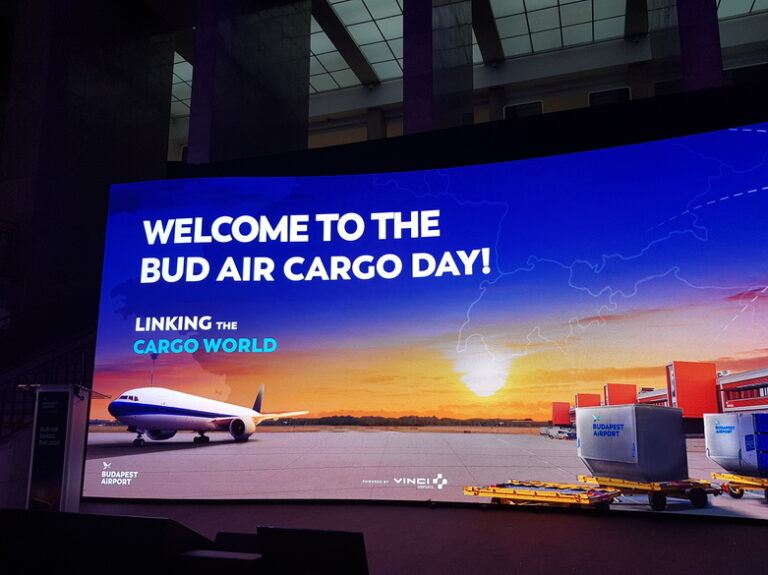
This year’s BUD Cargo Day, held on October 9 at the historic Ferihegy 1 airport terminal, offered a kaleidoscope of current air freight and logistics topics. The event was attended by 305 industry experts, mainly from Eastern and Central Europe, but also from Western Europe, Mexico, and Japan. Top participants were Brandan Sullivan, Global Head Cargo, IATA, and the two TIACA leaders, Steven Polmans and Glyn Hughes. For Polmans, it was his last appearance as TIACA Chairman at an air freight conference, as Roos Bakker will succeed him in this position at the beginning of 2026.

We asked several industry representatives about their motives for attending the cargo event and their views on the outcome of trade show.

Gábor Talabos, Hungary Airlines (right) flanked by Brendan Sullivan, IATA Cargo, at the CEIV Lithium Batteries’ award ceremony. Courtesy: BUD Cargo

Gábor Talabos, accountable manager, Hungary Airlines
We obtained our AOC in DEC2024 from the Hungarian Civil Aviation Authority and started operations with a single A330F in early 2025. In addition to the Airbus freighter, we leased a B747-400F serving routes between China and Budapest. Come November, we will add a B777F to our fleet, the first of five Triple Seven freighters flying on behalf of our airline.

Due to our consistent volume growth, we started to build a bonded warehouse on the agglomeration of Budapest at Vác comprising 33,000 sqm. It has a direct rail link, enabling multimodal transport, because in addition to our four or five cargo flights per week from China to Europe, we are also involved in rail logistics.

To ensure the rapid handling of processes at the future logistics center, 700 robots complemented by automated guided vehicles will be operating there. AGVs and industrial robots can work around the clock, are more precise than humans, and reduce the risk of accidents and, in the medium term, lower handling costs.

What sets Budapest Cargo apart from other airports is the integration of the cargo division into the entire local logistics community, including customs, authorities, freight forwarders, airlines, and shippers. Under the chairmanship of BUD Cargo Director, Jozsef Kossuth, there is a regular, intensive exchange of experiences and opinions. In our view, this is extremely valuable because changes or adjustments to regulatory requirements, for instance tax issues, are tabled there and suitable industrial solutions can be developed proactively together. As a community, we need to know in advance which rules apply, and what the players need to do to comply with them. Conversely, government officials also need to know what we expect, such as transparency in decision-making and strict security checks on air cargo shipments, including eCom.

From this perspective, the annual BUD Cargo Days are a forum where members of the community can contribute and exchange ideas on stage, in panels, or through bilateral discussions. They also offer an opportunity to look beyond the horizon and learn about the new challenges facing the industry in recent times, such as the elimination of de minimis regulations in the US, and what this means for the players involved. 

Finally, we are very proud to be awarded the IATA CEIV Lithium Batteries Certification as first European Cargo Airline and congratulate freight forwarders and other representatives of the cargo industry who have received a similar award.

Guillermo Nava Villarreal of Monterrey Airport – photo: CFG/hs

Guillermo Nava Villarreal, Head of Cargo Development & Operations at Grupo Aeroportuario Centro Norte, OMA
Some colleagues and I flew from Mexico to Hungary in support of our airport Monterrey, which belongs to the Vinci Group, as does Budapest Airport. Our main motive was to talk to our peers to deepen relations and exchange valuable information, for instance with cargo managers of Lyon Airport in France, who are also part of the Vinci Group and decided to attend the BUD Cargo Day as we have done. Talking about information exchange, for us, the human factor plays a key role in just about everything we do. Because we are nothing without the support of our people, which also applies to a close relationship with our customers. Following the positive experiences we have had here, I will advocate for Monterrey to organize similar events at other airports belonging to the global Vinci Group. After all, that includes more than 70 airports operating in 14 countries. What particularly impressed me at Budapest’s Cargo Day was the close cooperation between the airport, particularly its  cargo division, and the local cargo community, including customs. I believe that teamwork that is practiced by BUD Cargo became very clear at this trade show which includes transparent communication structures. This is a key takeaway feature we will bring back home to Monterrey as a result of our participation in the BUD Cargo Day.

Kamilla Kasler of LH Cargo regrets that women play only the third or fourth fiddle at air freight events – picture: CFG/hs

Kamilla Kasler, Country Manager Hungary, Lufthansa Cargo
I have been with Lufthansa Cargo since 1994 and in comparison, to other places, I must say that Budapest is a very cargo-minded airport. This is not least thanks to Jozsef Kossuth, BUD cargo’s helmsman and his team, who we believe are doing a fantastic job day in, day out. It is also worth mentioning that the ground infrastructure of BUD’s Cargo City is state-of-the art and as an airline we are supported whenever support is needed. This includes trucking solutions because roughly 95% of all exports we generate in Hungary are trucked to either Munich or Frankfurt to be flown to their final destination from there by the Lufthansa fleet either as belly or main deck cargo.

My personal preferred topic is sustainability, where Lufthansa Cargo has been playing in the top league of airlines for some time now. To this end, we specifically target our freight forwarding customers and, together with them, we speak with the shippers of goods. However, we never contact producers directly, but always in combination with a freight forwarding partner. As an airline, we can only offer airport-to-airport solutions, including ground handling, customs clearance, and packaging. But we do not handle the pre- or post-carriage of goods, which is the responsibility of our road feeder partners.

Lufthansa Cargo currently has a total of five employees in Hungary. In 2012, there were 12 employees. However, colleagues from Bulgaria and the Benelux countries have gradually taken on work packages as needed so that we can continue to offer our customers the service they require.

Finally, I like to mention an aspect that is important to me, and this is addressed to the BUD Cargo team: Their events are very male dominated, as can be seen in the composition of the panels. I would very much welcome a more balanced gender ratio come BUD Cargo Day 2026 and after.

Attila Besze illustrated the progressive shift of supply chains towards the APAC region – photo: CFG/hs

Attila Becze, Director Sub-Region Hungary and Romania at cargo-partner
Over the years, the event has become increasingly important for the entire air cargo community. Today, it is one of the top formats for the industry not only in Hungary, but for the Central and Eastern European countries and even beyond. This is also reflected in the fact that more and more top managers from the air freight industry are participating, ranging from freight forwarders, airlines, sales agents, airport executives, and leading representatives from the e-commerce sector. This diversity provides an in-depth examination of the current challenges facing international supply chains, as was the case in Budapest. In addition to new risks, such as the abolition of the de minimis rule in the U.S., the opportunities arising from this were also exemplified. So was the gradual shift of supply chains towards the East, especially East and Southeast Asia. This will likely be increased in the coming years, as panelists emphasized on several occasions.

I found it very encouraging to hear that, despite many challenges and bureaucratic hurdles, Europe still has a very strong industrial core on which other countries depend. I also found remarkable that the many Trump tariffs have so far caused only a small dent in global economic growth, as panelists emphasized.

Finally, I like to mention that, in addition to many exciting topics, the BUD Cargo Days always offer participants the opportunity to network. Direct contact and the personal exchange of experiences still are the best foundation for successful business relationships.

Exclusive – Cargo volumes go through the roof at BUD

0

At this year’s BUD Cargo Day, most speakers and panelists highlighted the phenomenal growth in cargo traffic at Budapest Airport (BUD). The remarkable upswing in volumes is the result of a very convincing cargo strategy, reasoned panelist, Michal Grochowski, Director Cargo at LOT Polish Airlines. It benefits the entire Hungarian economy and creates value, was the unanimous opinion among the 305 participants who attended the trade show.

This year’s BUD Air Cargo Day was the eighth since the yearly trade show was launched – photos: CFG/hs

Máté Lóga, State Secretary for Economic Development and Industry from Hungary’s Ministry for National Economy, also emphasized the driving force of the air freight sector in his opening statement. As evidence of value creation, the politician pointed to the growth in throughput reaching almost 200% over the past five years. Since Hungary is a relatively small market with only 10 million inhabitants, the airport has focused on becoming a bridge between China and Europe, and to some extent also to the U.S., M. Lóga stated. However, this upward trend is increasingly limited by tariffs and trade barriers. “Nowadays, a growing number of countries are imposing tariffs. This contrasts our policy since our government advocates free trade, an open economy, and liberal traffic solutions.”

Liberal air policy accelerates economic growth
The open sky policy has stimulated new investments and created many jobs, not only at the airport, which is celebrating its 75th anniversary this year, but also at companies that depend on reliable supply chains and have settled in or around Budapest. This applies above all to the machinery and IT industries, which are now very strongly represented in the region, emphasized Francois Berisot, CEO of BUD Airport, in his welcoming speech to the 300+ participants.

“Outstanding performance”
Among the participants was the outgoing TIACA Chair, Steven Polmans, whose leading role at the organization will be taken over by Ross Bakker at the beginning of 2026. Regarding air freight, Polmans said that he would like to clarify his keynote delivered at BUD Cargo Day in 2024, where he called Budapest a “rising hub”. Given the enormous growth in air freight volumes since then, BUD is now a “leading hub” offering its clients “outstanding performance”, he corrected.

The event was a who’s who of leading cargo figures, such as Jozsef Kossuth, BUD Cargo Chief (left), and Brendan Sullivan, Global Head of Cargo, IATA.

In an online survey orchestrated by moderator, Brendan Sullivan, Global Head of Cargo, IATA, most participants said that speed and reliability are their top priorities when it comes to choosing an air freight capacity provider, followed by real-time tracking, seamless digital integration, state-of-the-art ground infrastructure and handling performance.

Space is becoming a rare commodity
The outcome of this vote sends a clear message to the BUD Cargo team, because when reaching a throughput of 450,000 tons, space becomes a rare commodity at the airport’s Cargo City. New, sustainable solutions are therefore needed to ensure the further growth of containers, pallets and parcels. This scenario could soon become a reality, as outlined by the Airport’s Cargo Chief, Jozsef Kossuth. By the end of August, 385,582 had been handled at BUD, which translates into a shipment value of one billion euros per month (sic!). Currently, more than 65 full freighters land at Liszt Ference Airport every week, accounting for 80% of the total volume handled there. This figure was supplemented by two further numbers tabled by Glyn Hughes, Director General of TIACA. According to him, global tourism generates USD 1.4 trillion annually. However, goods transported by air are worth USD 8 trillion. “Our industry should therefore be confident, because its contribution to the global economy has significantly reduced poverty over the past 15 years,” Glyn illustrated.

Stop whining, be more assertive
Markus Klaushofer, CCO BUD Cargo, urged the industry to communicate its achievements more offensively and to stop whining. “We need to show more self-confidence. In Europe, in particular, we still have a very strong industrial base that will remain indispensable to many markets. Once the EU and the Mercosur blocs have ratified their free trade zone agreement, the largest sustainable region on the planet will be born. This offers a multitude of new opportunities for trade and transport,” the manager emphasized.

However, another vote by the participants made it clear that volumes in Budapest will not skyrocket either. Most believe that growth will slow down in the coming years but will remain well above the EU average, driven mostly by e-commerce. They also estimate that the European economy will get a major push once Russia ends its war in Ukraine.

AI is a tool, not more
The future role of AI in air freight was another agenda topic in Budapest. In an online survey, most participants said that AI will help to solve operational issues, when integrated into supply chains. BUD’s Cargo boss, Jozsef Kossuth added that, as a tool, AI will help to analyze processes, be valuable for providing tailored customer support, and help accelerate the learning curve of employees, however, it will not replace human labor, he stated.

Moderator, Adrian Palangyi, Cargo Development Manager at Budapest Airport, addressed the topic of e-commerce. A survey showed that most attendees expect further growth in the parcel business over the next five years, but with a significantly flattened curve.

At the same time the e-commerce panel was taking place, the Nobel price committee in Stockholm decided that Hungarian writer, László Krasznahorkai, was to be awarded this year’s Nobel Prize for Literature. The result of this announcement was resounding applause.

Supply chain threats and no end in sight
However, two other decisions announced shortly after the BUD Cargo Day was over, are unlikely to have been consented by the Budapest attendees: U.S. President Trump’s tariff hike of 100% on Chinese imports to the U.S., which will be levied from 01NOV25. It a counter measure to China’s decision to impose far-reaching export restrictions on rare earths such as magnetic minerals. This export ban complicates Western efforts to establish their own value chains based on rare earths. Without these metals, no computer chip, smartphone, or electric car will be able to function. The impact of these two measures on international supply chains and thus also on cargo volumes, will become apparent shortly after their introduction – to the detriment of the global economy.

Food waste exacerbates global warming

The sixth International Day of Awareness of Food Loss and Waste (IDAFLW) was observed on 29SEP25. The date was chosen on 19DEC19, when the UN General Assembly adopted resolution 74/209. Awareness is important as one-third of all food ends up in landfills or spoils between field and consumption. The United Nations again drew attention to this scandalous fact in its latest Food Waste Index. It has also identified that the circumstances of this waste significantly contribute to global warming.

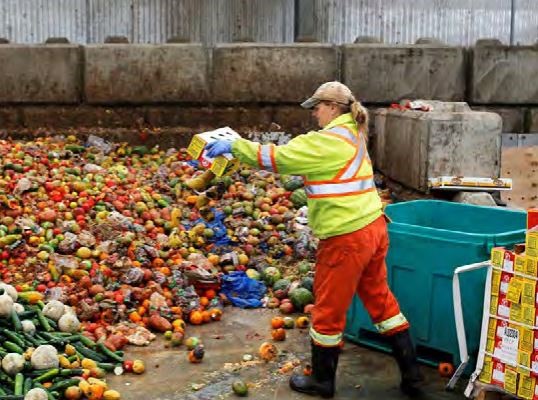
A scandalous figure: One-third of agricultural producers work for the garbage can – photos FAO

Food waste is an economic, environmental and social problem, the study says. Reducing food waste is an opportunity to lower costs and tackle some of the biggest environmental and social issues of our time: fighting climate change and addressing food insecurity, the authors conclude.

The dimensions are enormous
In the U.S. alone, food waste is estimated at between 30-40% of the entire food supply. The Food and Agriculture Organization (FAO) of the United Nations estimates that transportation inefficiencies contribute substantially to the issue. Around 30% of the world’s agricultural land is used to grow food that finally ends up in consumers’ or supermarkets’ garbage cans. In other words, one in three farms is essentially working for the trash bin, reports the online portal fruchtportal.de.

The authors of the UN study name three culprits responsible for this waste: 60% comes from households, including hotels and restaurants, 28% from food services, packaging and transportation, and 12% from retail.

In terms of figures, this means that in 2022, food waste totaled 1.05 billion tons, with households responsible for the loss of 631 million tons. This translates into food equating one billion meals. That is more than one meal per day for each person facing hunger around the world.

India loses 10 billion euros annually
According to stats delivered by the World Resources Institute,one of the biggest spendthrifts per capita is India, that produces 78.2 million tons of food waste each year – enough to feed 377 million people. Financially, this means that as much as 10.01 billion euros are lost annually in India due to food wastage.

This massive loss not only hurts India’s national economy but also strains resources like water and land, as it does in other countries facing similar wastage. The food loss also contributes to the climate crisis, as the waste problem is multi-layered and hits both farms and homes.

Poor infrastructure aggravates the food crisis
The Farm-to-Market Gap (Post-Harvest Loss) iswhere most food losses happen, accounting for approximately 13% of total production. Perishable items like fruits and vegetables (horticulture) are severely affected. The primary culprit is the lack of robust cold-chain infrastructure, including inadequate cold storage, pack-houses and refrigerated transport, leading to spoilage before produce even reaches the market. In addition, warehouse workers or freight forwarders often lack the necessary expertise, as they have not received any special training in the proper handling of temperature-sensitive shipments. Insufficient expertise coupled with ignorance often leads to containers or pallets filled with perishable goods being left unprotected in the blazing sun at an airport apron for hours before being loaded onto an aircraft.

Roughly 60% of the waste shown here comes from households.

Rotten fish
For example, a large shipment of fresh fish that came from Durban, South Africa, bound for London via Vitoria, Spain, proved to be largely spoiled as local airport personnel detected during the stopover of the aircraft at the Basque Airport, because the fish had not been adequately cooled at the Durban warehouse prior to its departure.

According to the Food Waste Index of the UN, between 8% and 10% of global greenhouse gas emissions are caused by food waste. This is around three to four times the emissions produced by civil aviation globally.

Given this fact, it is surprising that the issue of CO2 emissions caused by food spoilage hardly plays a role in protests by activists, international organizations, political decision-makers, and scientists against the ongoing and scandalous waste of nutrition. 

Avianca adds an A330F to its fleet and widens its reach

0

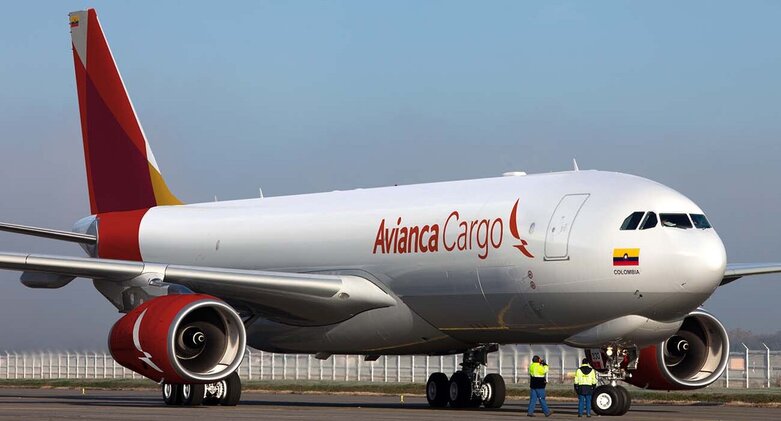
The Colombian carrier is growing its freighter fleet by adding an A330P2F to its current fleet of six A330-200F. The aircraft can accommodate 60+ tons per flight and was converted from passenger to cargo aircraft in Singapore by ST Engeneering in cooperation with Elbe Flugzeugwerke, Germany. Subsidiary Avianca Cargo Mexico rounds off the group’s capacity offer to the market by operating two A330P2F.

Avianca continues to expand its fleet and network, says Diogo Elias

By growing its fleet and network, the airline is strengthening its role as a key cargo player in Latin America and beyond. The new freighter is fuel efficient and offers abundant cargo capacity for the routes and markets served by the airline, it stresses in a release. These features allow the Bogota-based carrier to continue providing a service that meets customer needs and to grow its network. “At Avianca Cargo, we are celebrating the expansion of our fleet and the arrival of the new converted A330P2F freighter, an aircraft with more than 13 years of history that now joins our fleet to continue reaffirming our commitment to connectivity and service. Today, we reach more than 350 destinations with an expanded network and continue to expand our connections to new markets,” said Diogo Elias, CEO of Avianca Cargo.

New in Maastricht
At the beginning of OCT25, the Latin American capacity provider started serving Maastricht Aachen Airport (MST) in the Netherlands, deploying one of its Airbus A330F. The airport is served twice a week, mainly carrying flowers from Quito, Ecuador, via Miami to Maastricht. Southbound, the freighter flies back to Latin America via Zaragoza with fancy European goods on board. The Galician fashion group, Zara, has a very strong presence in the Spanish city.

Avianca operates A330 freighters to Maastricht – photos: courtesy Avianca Cargo.

Flowers are the main product transported by Avianca Cargo. Over the course of this year, the carrier has flown more than 100,000 tons of roses, carnations and orchids from Ecuador and Colombia to the United States, Europe, and Asia.

Investing in ground infrastructure
In a press release, the company emphasized its growing investment to enhance the infrastructure needed by this product segment. It opened a new, 850 m² Jetflor facility at its Medellín Terminal, doubling the cargo handling capacity there. In its Miami warehouse, the cooling system was reconfigured to keep all perishable cargo in the best temperature conditions. This has improved service quality and also increased capacity by 83%, the airline states.

“We are happy to be strategic allies and leaders in flower transportation. This year, we confirmed our leadership in flower transportation to the United States, broke a historic record, and grew 8% during the seasons, above the sector average,” Diogo declared.

Flowers are a significant economic driver
In Colombia, nearly 220,000 jobs depend directly and indirectly on flower cultivation and trade. In 2024, local producers achieved outstanding performance in flower exports, reaching USD 2.35 billion. Without reliable air transport, this would have been impossible. This remarkable economic result, driven by 13% growth in value and 8% in volume, consolidated the country’s position as the world’s second-largest exporter of roses, carnations, orchids et alia, with a global market share of 16%. Ecuador and Kenya follow suit at some distance. The Netherlands tops the list of the leading flower exporting countries. It accounts for almost 50% of cut flower exports, mainly thanks to its traditional and extensive tulip cultivation.

Spotlight on… Anna-Maria Kirchner, Head of Global Sales, Finnair Cargo

0

Each week, CargoForwarder Global turns its ‘Spotlight On…’ a different area of the air cargo industry, inviting a representative to share their responsibilities and points of view. Air cargo would not be air cargo without the airlines carrying it across the world. There are over 720 airlines in the world today, and a good two-thirds carry cargo either on freighters, or – more commonly – on passenger aircraft. Such as Finnair Cargo, for example, which last year celebrated 100 years since its first cargo flight and today carries shipments in the bellies of its passenger fleet. Anna-Maria Kirchner, Head of Global Sales at Finnair Cargo, takes us through her function, her experiences, and advice for those looking to join the air cargo industry.

The collaborative spirit in air cargo is unique. Image: Finnair

CFG: What is your current function and company? And what are your responsibilities?

AK: I am the Head of Global Sales, and I oversee global sales, product, marketing, and sustainability at Finnair Cargo. I lead a large international team covering key markets worldwide, working closely with our local teams and GSA partners. My focus is on driving revenue growth, strengthening our global account management, driving innovation in our products and services, and ensuring that sustainability and customer experience are at the heart of what we do.

CFG: What does a normal day look like for you?

AK: There’s hardly such a thing as a “normal day” in air cargo. My days usually combine internal strategy sessions, close collaboration with my team, and supporting them in the field. I occasionally join one of our Sales Directors in customer meetings to stay close to the market. Travel is also a big part of my role – I spend a lot of time in the air, meeting partners, attending major industry events, and speaking at conferences. A typical day might start with colleagues in Asia, followed by Europe, and end with discussions in the U.S., which keeps the role dynamic, challenging, and very rewarding.

CFG: How long have you been in the air cargo industry, and what brought you to it?

AK: I joined the beautiful world of air cargo and Finnair two years ago, during its 100th anniversary in 2023 – a truly special moment to step into this industry. Before that, I spent 15 years in passenger sales with some of the largest international airlines, living and working in different parts of the world.

What attracted me to air cargo was the chance to combine commercial strategy with a fast-moving, globally connected business. What I quickly discovered – and what I love most – is that this is a people’s business. The air cargo community is like a big family, and being part of it has been both inspiring and rewarding.

CFG: What do you enjoy most about your job?

AK: What I enjoy most is working with people – customers, partners, and especially my fantastic team. I’m fortunate to lead a group of passionate professionals who not only go the extra mile but consistently deliver excellent results. Their dedication and teamwork make a huge difference and inspire me every day.

The collaborative spirit in air cargo is unique, and it truly feels like a global community. I also love the international scope of the job; every market is different, and you constantly learn from working across cultures and geographies. On top of that, being part of Finnair Cargo is exciting in itself – we deliver a high-quality product, supported by our state-of-the-art COOL terminal which was opened in 2018. It’s great fun to be part of this journey and see how well our team delivers for our customers.

CFG: Where do you see the greatest challenges in our industry?

AK: The greatest challenges are balancing sustainability with profitability, adapting to global supply chain disruptions, and embracing digitalization. Customers expect reliability, transparency, and greener solutions, and the industry must accelerate its transformation while continuing to deliver competitive services.

CFG: What advice would you give to people looking to get into the air cargo industry?

AK: My advice would be: be curious, adaptable, and open to learning. Air cargo is not something you learn from books alone – you learn by being part of it. Training in logistics, international business, or aviation can certainly help, but what matters most is the mindset: curiosity, customer focus, and the ability to work across cultures. And most of all – have fun. This is a fast-moving environment where no two days are alike, so it never gets old or boring. In fact, I’d say it’s much more fun than the passenger side!

CFG: If the air cargo industry were a film/book, what would its title be?

AK: “The World in Motion”. It captures how air cargo connects people, businesses, and economies – constantly moving and adapting to whatever comes next.

Thank you very much, Anna-Maria.

If you would like to share your personal air cargo story with our CargoForwarder Global readers, feel free to send your answers to the above questions to cargoforwarderglobal@kopfpilot.at We look forward to shining a spotlight on your job area, views, and experiences.

Drones threaten European aviation

0

First Poland, then Denmark, Romania, Norway, Sweden, and now Germany. An increasing number of unidentified drones are violating the airspace of EU countries, jeopardizing air traffic. Their origin is speculative, with the military and secret services suspecting Russia as the culprit.

Russian drone shot down in Poland, courtesy: government

On 09SEP25, Poland’s busiest airport, Warsaw (WAW) had to be closed for several hours due to a drone alert. This was followed by similar events in Denmark and Norway, on 22SEP25: Copenhagen (4-hour closure) and Oslo (3-hour closure) were temporarily shut down for safety reasons because drone flights had been reported.

Disrupting civil aviation
Due to the closure, Danish aviation authorities had to divert incoming aircraft, including cargo planes, and cancel around 100 flights, according to airport information. Around 20,000 passengers and numerous cargo shipments were affected by the temporary suspension of air traffic. According to the Danish National Police, there were more than 500 reports of drone sightings in Denmark in mid-September. Each one is being taken seriously, a police spokesman assured media. Aalborg Airport in the north of the country, was also affected, with airspace being temporarily closed.

Coordinated action
The drone intrusions were coordinated by a major cyberattack on the IT service provider, Collins Aerospace, a subsidiary of the U.S. group RTX Corporation. This led to massive disruptions at several European airports, affecting security controls and check-in procedures including Berlin, Brussels, London-Heathrow, and Dublin.

The next drone attack followed last Thursday and Friday, causing the repeated shutdown of Munich Airport (MUC). There were 32 flights affected, including 17 cancellations and 15 diversions to Vienna, Stuttgart, Nuremberg, and Frankfurt. Around 6,500 travelers were left stranded, some of whom were accommodated in hotels, but many had to spend the night on camp beds in MUC’s airport terminals. The airport provided them with blankets, drinks and snacks.

Air freight also affected
Numerous air freight shipments remained on the ground or had to be transported to Munich by truck from the afore-mentioned airports. It is currently unclear who will cover the additional costs.

Alike drones were spotted repeatedly over military facilities, airports, and critical infrastructure in the EU to collect data and explore the defence system – courtesy: dpa agency.

On Saturday morning (04OCT25), shortly after 3 a.m., there was another drone sighting, confirmed by the federal police. “The drones immediately flew away before they could be identified,” a police spokesperson reported.

Security experts recognize a pattern: those responsible for the drone flights want to create uncertainty and frighten the population. At the same time, they want to test how well NATO countries are equipped to defend their airspace against such attacks. The fact that, according to current information, only three of the 19 drones that entered Polish airspace as a swarm in mid-September, could be shot down, points to glaring weaknesses in the airspace defense of NATO member states.

Poland, a member of the EU and NATO, is an important political and military ally of Ukraine, which is constantly under Russian attack. Poland also plays a key role as a logistical hub for Western military aid to Kyiv.

Munich drones are scaring Bavarians and Octoberfest visitors
Commenting on the escalating drone threats, EU Foreign Affairs Representative, Kaja Kallas spoke of the “most serious violation of European airspace by Russia since the start of the war [in Ukraine]”. There are signs “that this was intentional and not accidental.” And German Minister of Defence, Boris Pistorius compared the recent airspace violations by drones and fighter jets in the European NATO countries of Poland, Estonia, Scandinavia, Romania, and Germany, to the Cold War. “No shots are being fired, but there are provocations.” Currently, these are “hybrid attacks,” he exclaimed, like the destruction of underwater communication cables in the Baltic Sea by the Russian shadow fleet, which dragged their anchors across large areas of the seabed. While speaking to media, the minister blamed Russia for the recent drone threats: “No one else has an interest in sending large numbers of drones to Denmark or Poland.” Or to Munich, where hundreds of thousands of visitors are currently attending the traditional Oktoberfest.

Wonderful, wonderful Aviation Connect/ACHL…

0

The air cargo handling world, along with ULD experts, ramp and GSE specialists, those steering the RFS segment, pharma professionals, ground services, airport services and, of course, CargoForwarder Global, are gearing up for this year’s edition of Aviation Connect. Having taken place in Greece and Türkiye in recent years, it is now traveling North for the first time, to Denmark’s wonderful, wonderful Copenhagen. The city’s airport happens to be celebrating its 100th anniversary, so all the more reason to attend!

Air cargo handling is heading up north to network. Image: Eva International Media

If you’re still undecided and haven’t registered, you might want to read the write-up on last year’s event and then venture over to evaintmedia.com for a last-minute registration – you will need to arrange alternative hotel accommodation as the conference hotels are already fully booked. It’s promising to be a mega event again as each one has been bigger than the last, so far. More than 770 participants attended the multi-stream conference organized by UK-based Eva International Media, last year,

As a reminder, Aviation Connect combines six conference streams: the ACHL (which will be CargoForwarder’s main focus), The Airport Services Association (ASA)’s Leadership Forum, ULD Care, Airfreight Pharma, GSE & Ramp Ops Global, and the Road Feeder Services (RFS) Forum.

Collaboration, mindset, change management
Last year’s Aviation Connect key buzzwords were ‘collaboration’, ‘change management’ and ‘mindset shift’ with well-balanced panels including stakeholders from the full breadth of the air cargo industry. This year’s agenda promises a similar set-up and will take up topics from last year, such as the discussion on standardization in the industry – for better safety and service – driving digital transformation with a focus on lessons learned from successful digital projects, and e-commerce in the face of global disruptions, for example. There is also an emphasis on best practices – such as Heathrow’s cargo strategy – and preparing for the future: using AI in air cargo, and building the ideal cargo airport. Those are just a few of the topics from the ACHL stream. The other streams will deep-dive into their core topics, and all participants can look forward to a synopsis of the results from each stream on the final day of the conference – the 10:15 Industry Update Sessions slot on 16OCT25, will see the stream heads provide a comprehensive summary, key learnings, and outlook. If it’s anything like last year, it will be very educational.

Women in Air Cargo Awards
A premiere at this year’s Aviation Connect will be the Women in Air Cargo Awards taking place at the Networking Dinner on 15OCT25. This topic is particularly close to my heart, and I am very grateful that Eva International Media’s Parveen Raja took it up and made a suggestion a reality. See my original article on the subject here.

Women need greater visibility in male-dominated sectors, because without visibility, it becomes even more challenging to attract other women into the industry. It is never easy being the minority in the room and unfortunately there will still be too few female panelists this time around, too, despite there being so many inspiring women in our industry. Since writing the Leading Women article in MAR25, I have learned that we are also face digital inequality: even LinkedIn’s algorithms largely favor men’s posts over women’s when talking about the same topic. Far fewer views, ergo less visibility once again and a Catch 22 situation. So, I will continue to Spotlight the many talented women in our industry, and I look forward to seeing who will win in each category on 15OCT25. Thank you to everyone who nominated someone this time around!

Wonderful, wonderful Copenhagen!
So, are you signed up and ready to attend the Aviation Connect event in a little over a week from now? Will you have an interesting story to tell? Are you looking to take away inspiration, insights, and new connections? If you’re still undecided, Perplexity.ai gives these Reasons to Attend ACHL Copenhagen 2025 (even citing CFG’s article from last year among its sources!):

  • Access to high-level industry discussions and strategic insights on air cargo innovation and logistics.
  • Opportunities to network with global leaders, decision-makers, and stakeholders across the supply chain.
  • Exposure to cutting-edge technology trends including AI, blockchain, and IoT for operational optimization.
  • Focus on sustainability themes such as green logistics, carbon offsetting, and Sustainable Aviation Fuels.
  • Part of the broader Aviation Connect event, combining multiple related industry forums for enhanced value.
  • Chance to participate in shaping the future of aviation ground services and cargo handling.
  • Strong endorsements from industry leaders highlighting the event as a catalyst for positive change and development.

And it ends with “This event is essential for professionals who want to stay ahead in the fast-growing and transforming air cargo industry.”

Or you could just take Steve Allen’s view, speaking as CEO of dnata on last year’s CEO panel: “This conference is best attended by the most senior people in our industry that I have ever seen!

See you there!

Equity firm Antin acquires Swiftair

0

Antin’s Mid Cap Fund I has secured a majority stake in Madrid-based Swiftair Group. The airline’s founder, Salvador Moreno, will remain CEO and a significant shareholder. According to Antin, the main purpose of the investment is to support a new phase of growth at the European provider of aircraft leasing and air transportation solutions for time-critical cargo. This should significantly increase the long-term value of the company – a key consideration for any financial investor.

Swiftair operates a mixed fleet consisting of Boeing and Airbus variants, ATR-72, Embraer 120, and Fairchild Metro – photos: company courtesy

Neither side has disclosed the monetary volume of the transaction or the number of shares acquired by Antin. It also remains unclear whether Antin’s step will lead to personnel changes in the airline’s top management.

Broad customer portfolio
1996-incepted Swiftair has made a name for itself as a leading provider of aircraft, crew, operations and maintenance (ACMI) for express air freight in Europe, including temperature-sensitive pharmaceuticals and food products. In addition, Swiftair provides mission critical services to blue-chip clients with whom it has enjoyed long-standing business relationships – many spanning decades. Its customer portfolio includes integrators such as DHL, FedEx and UPS or mail and parcel operators like the UK’s Royal Mail and France’s La Poste. It employs 1,350 staff and reported net revenues of €342 million for fiscal 2024.

The carrier currently operates 71 aircraft serving 77 routes in over 45 countries. The fleet consists of Boeing 757, Airbus 321, Boeing 737-800, Boeing 737-400, ATR-72, Embraer 120, and Fairchild Metro III. In addition, the airline owns and operates a hangar in Madrid Barajas Airport and has a strong network of 38 maintenance centers strategically positioned to seamlessly cover its clients’ needs, mostly across Europe and West Africa.

On the threshold to the next level
Francisco Cabeza and Simon Soder, respectively Partner and Senior Partner at Antin Infrastructure Partners, commented: “It is a true honor for us to partner with Salvador Moreno, an exceptional entrepreneur who has made a leader of Swiftair, and to help the company reach the next level. With its scale, unique market positioning and track record of providing reliable and essential transportation services to its strategic global client base, the company is a perfect fit for our mid cap strategy. Air freight is an essential part of supply chains for time-sensitive cargo, supported by long-term tailwinds. We look forward to working with Salvador and Swiftair’s team to support the company’s continued expansion journey and the needs of its customers.”

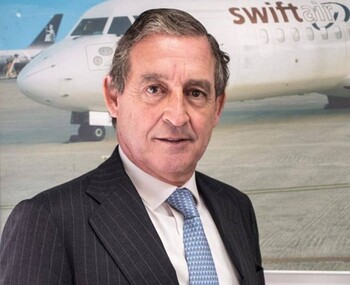
Swiftair founder and CEO, Salvador Moreno

Accelerating the growth strategy
Swiftair Boss, Salvador Moreno, responded: “With Antin’s support, we will be able to accelerate our strategy, notably continuing to optimize and invest in our fleet, and further consolidate our market leadership, both organically and through new acquisitions. My team and I are excited to start executing this growth plan with Antin.”

The transaction is expected to close in Q4 2025. Antin was advised by Deutsche Bank and BBVA as financial co-advisers and Perez Llorca as legal adviser. Swiftair was advised by Morgan Stanley as financial adviser and CMS Albiñana as legal adviser.

Fatal crash
The Spanish airline, widely regarded as safe within the industry, experienced its darkest day on 25NOV24, when Swiftair flight QY5960 crashed at Vilnius Airport during final approach. The flight, operated on behalf of DHL fromLeipzig, Germany to Vilnius, Lithuania, ended in a fatal accident that claimed the life of the captain, injured the first officer and two passengers, and destroyed the aircraft completely. Investigations by experts revealed that the freighter, a Boeing 737-400SF, was not brought down by a single mechanical failure, but by a chain of pilot errors, high workload, and missed procedures.

Fill out TIACA’s Annual Sustainability Survey

Scan the QR code to participate. Image: TIACA

Are we progressing as an industry when it comes to Sustainability? The topic is on the agenda of every single conference, but what is happening in real life, on the ground, back in the office? Since 2020, TIACA has held an annual survey on Sustainability and with every year that passes, the data published in its subsequent Sustainability Insights Report, becomes more indicative of where we stand and the direction we are heading in – forward or back? Is it All Talk, No Action? Or are there best practices happening in your company? Does your company have a sustainability strategy and is it being implemented? Does it come with an adequate budget? Do ESG goals figure in your purchasing/partner tenders? Because Sustainability isn’t just about green energy and the environment, but also about social factors, culture and leadership. Is the pressure for change still being felt from outside? Has the importance of sustainability waned, or has it become part of your company’s DNA? Your voice is important so that TIACA can give a critical analysis and recommendations to guide our industry in achieving its long-term goals for people, planet, and prosperity.

The survey, along with its report, helps generate awareness and support for this crucial topic, and is just one module of TIACA’s Sustainability Program. Other initiatives are: BlueSky, Invest in Climate Action, the Training Repository, and – last, not least – the annual Sustainability Awards which will again form an inspirational part of TIACA’s Air Cargo Forum in Abu Dhabi, next month.

Steven Polmans, TIACA Chair, feels that “Our industry has made strong progress, but there is still much work to be done. By completing the survey, companies of all sizes and sectors can contribute to shaping a collective picture of our progress and where greater effort is needed. This is how we hold ourselves accountable and move forward together.”

Glyn Hughes, TIACA Director General, adds: “The Sustainability Survey is an essential tool for capturing the challenges and opportunities our industry faces. The more diverse the input we receive, the stronger the insights and actions will be. We urge every stakeholder to take part, so we can continue to build programs that truly serve the global community.”

So – from wherever you are in the air cargo industry and whatever your company’s function, share your voice and views in the latest edition of the TIACA Sustainability Survey, today. Tell it like it is: https://www.surveymonkey.com/r/TIACAsustainabilitysurvey2025