Creating stronger channels for (e-)commerce. Image: Etihad Cargo
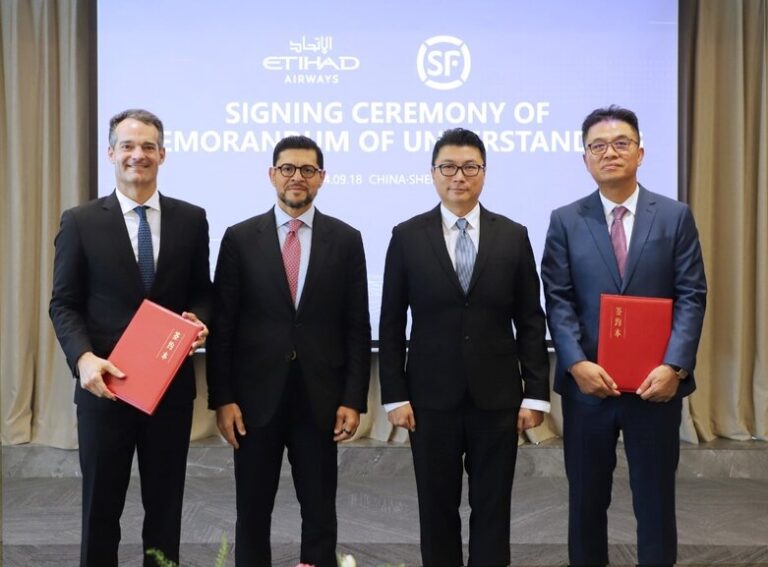
This week saw top management representatives of Etihad Cargo and SF Airlines meet in Shenzhen to discuss a ‘first-of-its-kind’ joint venture to build on the 40 years of diplomatic relations that have existed between the two countries, and come up with a joint venture to stimulate the economies and trade links between them. In focus are global logistics and connectivity. The two airlines intend to offer a unified logistics solution by aligning their respective networks to provide greater capacity, improved transit times, and more services to new destinations. In particular, SF Express’s international express services will be more widely available, offering its customers greater flexibility and faster European connections. In positioning Abu Dhabi as a global logistics hub, the joint venture should further improve connectivity between China, the UAE, and international destinations. Both companies have already been collaborating on this and sharing capacity to improve global trade routes. The joint venture thus builds on existing links, but goes far deeper. The scope of the collaboration is currently being drawn up for signature and agreement very soon. The two airlines aim to market their offers as partners and thus enhance their customer service and global market position. Mohammed Ali Al Shorafa, Chairman of Etihad Airways, commented: “This historic joint venture is a true testament to the robust and growing relationship between the UAE and China. Etihad is excited to embark on this new journey with SF Airlines, which will enable both airlines to provide even more connectivity, flexibility, and speed to customers for e-commerce and traditional air cargo verticals.” Antonoaldo Neves, CEO of Etihad Airways, stated: “As the national carrier of the UAE, Etihad Airways is deeply committed to supporting Abu Dhabi’s vision of becoming a global logistics and express hub. This joint venture with SF Airlines is a critical step in realizing that vision. By aligning our strengths, Etihad Airways and SF Airlines are enhancing operations and contributing to the economic growth and diversification of Abu Dhabi, Ezhou and Shenzhen. This partnership will be pivotal in positioning the UAE as a key player in global logistics, benefiting both our nations and the broader market.” Wang Wei, Chairman of SF Holding, said: “This joint venture is a pioneering development in air cargo logistics between China and the UAE. By joining forces with Etihad Cargo, we are setting new standards for the industry, particularly in response to the rising demand for e-commerce, airmail, and parcel delivery. This is a long-term commitment to enhancing the quality and reliability of our operations.”
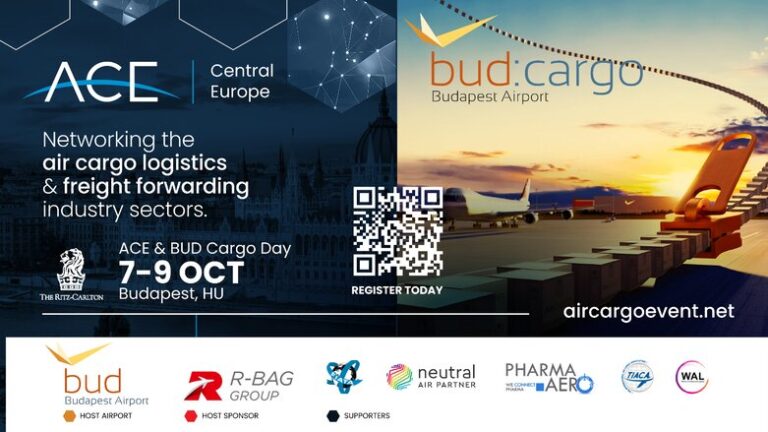
Not long to go now until the air cargo world descends upon Budapest (BUD), Hungary for the ACE2024 Central Europe, which takes place 07-09OCT24. The dates have been coordinated to coincide with Budapest Airport’s 7th BUD Air Cargo Day and thus offer the full spectrum of networking and knowledge sharing in one – no, make that two locations. The ACE kicks off with a welcome reception for the circa 200 attendees at the Ritz-Carlton Budapest, also the location for face-to-face meetings to discuss business along with air cargo and forwarding innovations or developments. The conference itself will take place at the ‘Budapest Whale’ or ‘Bálna’ as it is known in Hungarian. The multifunctional, modern building is named after its quirky design and located directly on the bank of the River Danube. Aviation, Digitalization, and Sustainability are the main themes of the event that looks are the current status of the air cargo industry and the direction it is headed. Focus sessions will discuss:
Air Cargo Market Dynamics – with a particular concentration on Central and Eastern Europe, given the location. Sessions will offer insights into the latest trends and challenges and offer business strategies to suit this competitive market.
Customer Insights: A look at what consignors expect in this changing environment, and how the industry can better meet their needs.
Sector Consolidation: Focusing on current consolidations within the air cargo industry and discussing how stakeholders can collaborate to enhance efficiency and value.
Customs and Regulatory Updates: Key updates on airfreight customs processes will be provided, with a focus on compliance and operational efficiency.
E-commerce Innovations: The latest technologies driving e-commerce growth will be showcased, and their impact on air cargo logistics discussed.
BUD Air Cargo Community System (ACS): Budapest Airport will demonstrate how it is transforming its cargo operations using Kale Logistics Solutions’ ACS for greater visibility, tracking, and supply chain compliance.
Business and pleasure are easily mixed in Budapest and attendees will have the opportunity to experience the beautiful Danube as well as Hungary’s proud cultural heritage and hospitality before the event closes with a Farewell Cocktail, sponsored by R-Bag. CargoForwarder Global will be present in the form of Heiner Siegmund, who is more than happy to hear about your company’s innovations, best-practices, as well as impressions of the ACE2024. He can be reached on hs@cgofor.eu to arrange an interview.
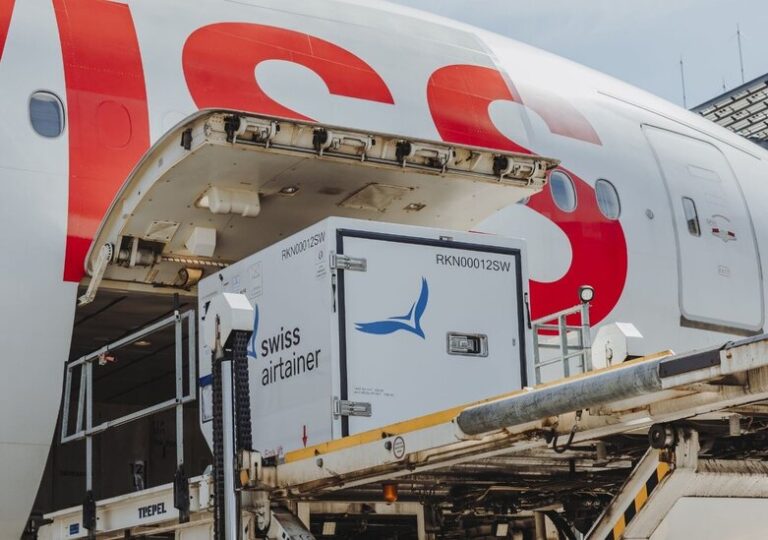
Aiming for the ultimate in innovative and sustainable containers. Image: SwissAirtainer
Though the amount is not mentioned anywhere, the press release points to a ‘significant investment’ in Swiss Airtainer from a consortium of private investors. The Swiss developer of advanced active temperature-controlled air cargo containers scored multimillion-dollar startup grants in its early days, from sources such as the Swiss Federal Office of Civil Aviation and the Swiss State Secretariat for Education, Research and Innovation. This latest funding will allow SwissAirtainer to meet increasing demand for its sustainable and reliable containers, which have already been validated by top pharmaceutical companies, airlines, and logistics providers. It will enable the company to accelerate production, expand its global market presence, and scale its organizational capacity. Swiss Airtainer’s containers stand out due to their lightweight, durable materials, which reduce CO2 emissions by 45%. Four tons of CO2 can be saved on long-haul flights such as a round-trip between Zurich and San Francisco. These containers feature a design that won the IATA Air Cargo Innovation Award, including solar panels, six redundant lightweight batteries, and a GSM-based two-way communication system for real-time tracking and alerts, ensuring precise temperature control even in challenging conditions. The containers have received regulatory approval from the European Union Aviation Safety Agency (EASA) and the Federal Aviation Administration (FAA), speeding up their adoption by airlines and logistics providers. This quick regulatory success highlights the market’s confidence in Swiss Airtainer’s innovative products. Eduard Seligman, CEO of Swiss, said: “We are very excited about this new investment, which represents an important milestone for SwissAirtainer. Our vision has always been to provide the most advanced, sustainable, and reliable alternative solutions for temperature-sensitive cargo, and this funding will help us to scale up and move closer to our goal. The trust that several major pharmaceutical companies have already placed in Swiss Airtainer, demonstrates the strength of our product and its potential to transform cold chainlogistics.” Dr. Ludwig H.Bertsch, Chairman of the Board of Swiss Airtainer, added: “I am thrilled to be part of a company that is setting new standards for innovation and sustainability in the active temperature-controlled container market. Swiss Airtainer’s unique technology delivers cost-savings without compromising performance, creating lasting value for our partners and customers. With its modern technology and focus on research and development, Swiss Airtainer provides pharmaceutical companies with a greener and more cost-effective alternative and continues to push the boundaries of what’s possible in cold chain logistics.”
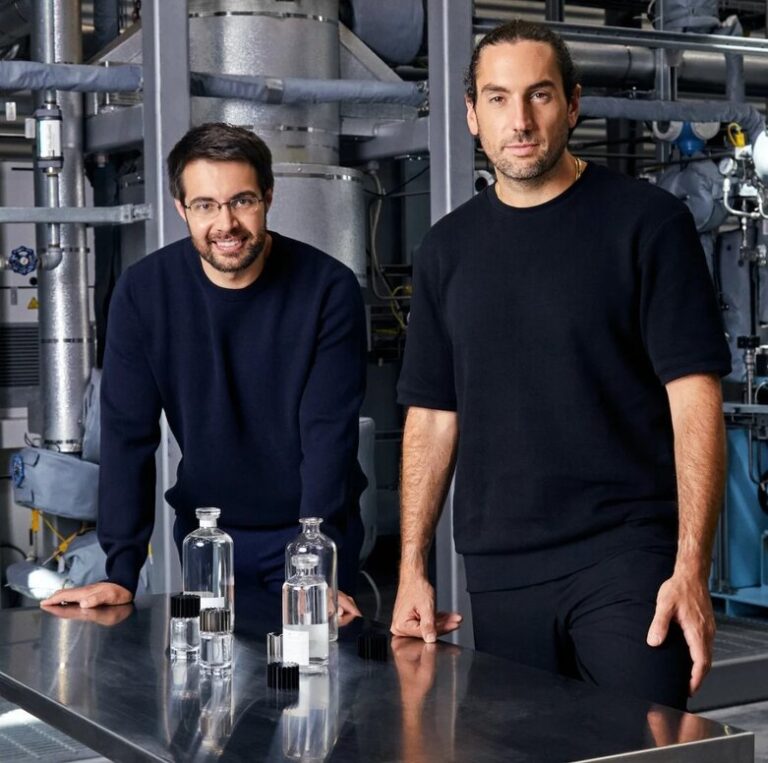
AIR COMPANY executives Stafford Sheehan (left) and Gregory Constantine – photo: company courtesy.
And it is a mighty large fuel injection that the American carbon conversion technology company has raised. In a recent Series B funding round, AIR COMPANY secured funding to the value of USD 29 million and is thus on a solid path to advancing its technology, promoting energy security, and supporting emissions reductions in the aviation sectors, among others. The funding round included Lowercarbon Capital, IQT (In-Q-Tel), Alaska Airlines, Connecticut Innovation’s Climate Tech Fund, Duncan Aviation, JSSI, and Sheltair Aviation, alongside existing investors: Carbon Direct Capital, JetBlue Ventures, and Toyota Ventures. It was led by Avfuel, which subsequently joins AIR COMPANY’s Board of Directors, as it is its preferred provider of distribution and logistics, environmental attribute tracking and reporting. In particular, the raised funding will accelerate the production of AIR COMPANY’s CO₂-derived Sustainable Aviation Fuel, AIRMADE® SAF, as well as other Synthetic Fuels. The money will go towards engineering and R&D capabilities as AIR COMPANY looks to accelerate the development of its advanced technology to meet increasing demand for clean fuels in both commercial and government sectors. AIR COMPANY, co-founded by Gregory Constantine (CEO) and Dr Stafford Sheehan (CTO) in 2019 Brooklyn, USA, is dedicated to improving the planet and has focused on creating scalable sustainable aviation fuel (SAF) produced from carbon dioxide. It converts carbon dioxide into sustainable fuels through a streamlined, energy-efficient process using domestic feedstocks to ensure scalable fuel production. AIR COMPANY already counts JetBlue, Virgin Atlantic, and other known airlines amongst its customers. C.R. Sincock, Executive Vice President of Avfuel Corporation, declared: “The aviation sector faces a critical challenge in meeting the growing demand for sustainable aviation fuel. SAF represents a crucial pathway to decarbonization, and AIR COMPANY’s innovative CO₂-derived SAF technology stands out as a leading solution. By partnering with AIR COMPANY, Avfuel is committed to accelerating the widespread adoption of this high-performing fuel and driving meaningful emissions reductions across the industry.” Gregory Constantine, Co-Founder and CEO of AIR COMPANY, explained: “Our technology is designed to be modular to facilitate adoption and scalability.” Co-Founder Dr. Stafford Sheehan, AIR COMPANY’s President and CTO, underlined: “This adds flexibility to fuel supply chains, strengthens energy security, and fosters domestic job creation.” Steve Jbara, AIR COMPANY’s Chairman of the Board, said: “The trust and support from our investors underscore our commitment to transforming the energy sector with a vision for a sustainable and resilient future.”
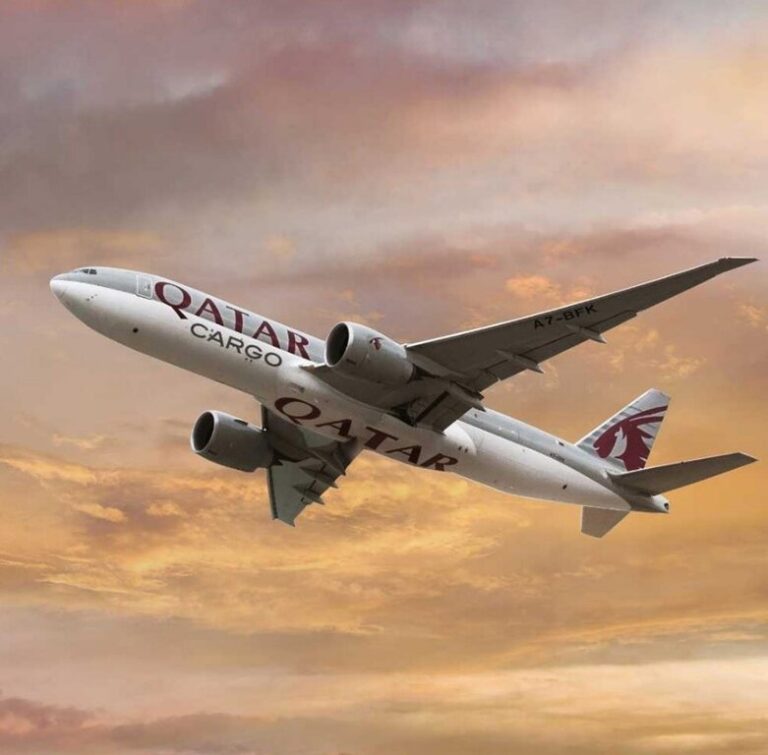
Now offering service enhancements with AirPlus Solutions. Image: Qatar Airways Cargo
The cargo airline now offers three add-on options to its customers in form of AirPlus Solutions, giving them the choice to tailor the service to their needs when making a booking. ‘Q-Climate’, ‘Q-Plus’ and ‘Q-Prime’ are available through all of Qatar Airways Cargo’s booking channels, be they external digital marketplaces, its own Digital Lounge, or through local sales representatives. They are offered for most of the carrier’s online routes and follow the usual booking cut-off times per origin. So, what do they do? Q-Climate has been specifically designed to provide temperature-control for additional product categories that normally fall under general cargo or vulnerable cargo. When selecting Q-Climate, customers can rest assured that their shipment will enjoy a seamless cool chain as well as ramp protection against external weather elements. They can choose between ct from three standard temperature ranges: COL (+2°C to +8°C), CRT (+15°C to +25°C), or ERT (+2°C to +25°C). Q-Plus gives customers the option to secure prioritized capacity for time-sensitive shipments travelling as general cargo, vulnerable cargo (SecureLift), perishable cargo (Fresh Care) or automobiles (Drive). Q-Plus ensures high-priority handling on confirmed flights or the next available flight if the requested flight can no longer accept bookings. Q-Prime brings guaranteed uplift and prioritized processing to general cargo, vulnerable or valuable cargo (SecureLift), perishable cargo (Fresh), or automobiles (Drive). The option offers the best or preferred connections plus a money-back guarantee should the shipment not fly as confirmed. In urgent cases and where possible, Q-Prime can be selected to secure capacity on an otherwise full flights. Under Q-Prime, the shipment is monitored by Qatar Airways Cargo’s Control Tower to quickly respond to any unexpected disruption. Mark Drusch, Chief Officer Cargo at Qatar Airways Cargo, stated: “As the world’s leading cargo carrier, we are committed to continuously innovating our product offerings. We recognize that our customers have unique requirements and often need greater flexibility. With the launch of AirPlus Solutions, we are providing tailored options that best meet our customers’ needs, while delivering our best-in-class service.”
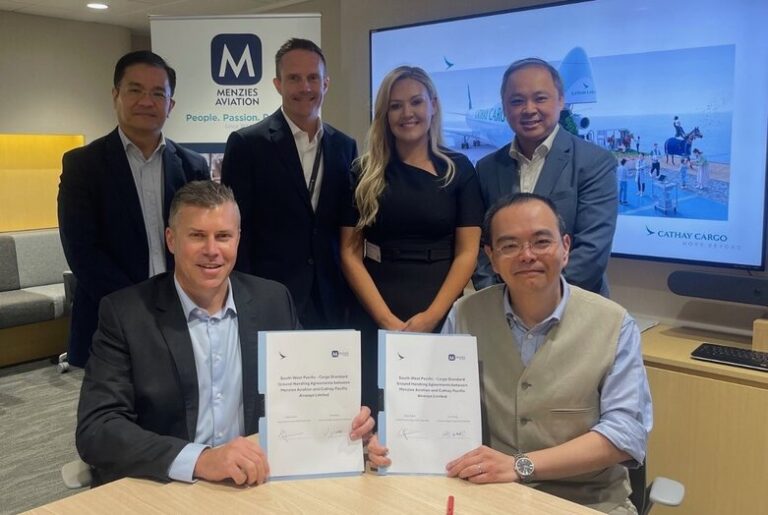
Securing cargo and ramp services in Oceania. Image: Menzies Aviation
The ink dried this week on a renewed five-year ground handling (GHA) contract between Cathay Cargo and Menzies Aviation, that sees the ground services provider continue to ensure smooth cargo and ramp handling for the airline in Australia and New Zealand. In addition to cooperation in certain American and European destinations over the past 20 years, the two companies have also enjoyed a long-standing partnership in the South-West Pacific region since 2014. Nowadays, 85,000 tons per annum are handled there by Menzies for Cathay Cargo. The partnership began in Melbourne and has grown to cover all of the airline’s Australian locations – Melbourne, Sydney, Brisbane, and Perth – as well as Auckland in New Zealand. In mid-December, Cathay Pacific will restart its seasonal passenger service to Cairns for a period of three months, for which Menzies will also cover the handling. The two are strengthening their partnership by implementing certain systems integrations in order to facilitate the sharing of e-air waybills and thus improve operational efficiency. They are also looking into Menzies possibly becoming a pioneer partner for the IATA ONE Record roll-out. Beau Paine, Global Head of Cargo, Menzies Aviation said: “Cathay Cargo has been a valued partner to Menzies for more than two decades, and we are honored to take the next step in this shared journey, building on opportunities for mutual success. Today’s announcement not only strengthens our ties with Cathay Cargo, but also reaffirms our status as a leading provider of air cargo services in Australia and New Zealand. We look forward to delivering first class cargo and freighter ramp services with the Cathay team across these airports for years to come.” Tom Owen, Cathay Director Cargo, confirmed: “We are pleased to enter into a new contract with Menzies Aviation in the South-West Pacific region for a further five years. In the past, we have worked successfully with Menzies Aviation for our cargo handling, and so we appreciate the close collaboration as we now move our relationship forward to the next stage. The extension to our partnership will see us working more closely together across the region in the strategic areas of digitalization, operational safety management, sustainability and training. Our common goal is to enhance the service and satisfaction levels for Cathay Cargo customers.”
Was it worthwhile for the 90 or so attendees to take part in the seafood conference? What were the highlights in terms of content and what inspiration did the presentations and panels give those industry representatives present for their day-to-day work? CargoForwarder Global (CFG) spoke to three managers and asked them for their views on the event.
Lars Gotfredsen, photos: CFG/ac
Lars Gotfredsen, Senior Air Cargo Manager, Copenhagen Airport I had several reasons to attend the Seafood Air Logistics Conference. Firstly, I wanted to hear first-hand about the latest developments in this very dynamic and extremely important business sector and the impact on air freight. My expectations were high because the names of the experts announced by organizer, EuroAvia, in its program sounded very promising. And indeed, I can say that I am taking a wealth of information back to Copenhagen as a result of the conference. Another very important reason, and this probably applies to the vast majority of participants, was the platform character of the meeting. Connecting with shippers, forwarding agents and representatives of airlines, and speaking with them face-to-face is practically only possible at events like this one here in Oslo. As a consequence of the event, the question that arises for me in my role as Copenhagen’s responsible Cargo Manager, is whether we currently provide the market with sufficient capacity for handling freight shipments at Kastrup or whether we should expand the capacities. In particular, we should enlarge our facilities for handling temperature-critical products by building additional cool rooms. That is an aspect that we must quickly add to our agenda. Additional cool rooms are not only important for seafood, but also for pharmaceutical products. They have a high and growing significance for us due to the strong pharmaceutical cluster in the Copenhagen region and in neighboring Malmö, which stretches as far north as Gothenburg. Depending on how you count, 4 to 5 million people live there, so it is also a large consumer market with high purchasing power. What few people know: Denmark is the world’s seventh largest pharma producer. Another important takeaway of the Oslo meeting is the fast ascent of e-commerce. Copenhagen Airport’s management is aware of this, but the dynamism of this business was impressively confirmed by many speakers at the meeting. Being the largest airport in Scandinavia, we want to step up our efforts to become a choice for e-commerce traffic. This said, I finally would like to make a critical comment: To my taste, there were far too few seafood producers present. So, we heard too little from shippers about challenges and opportunities fostering the seafood business or slowing it down.
Nicklas Krandorf
Nicklas Krandorf Head of Sales Scandinavia & Europe, SAS I fully agree with Lars that we heard too little from salmon farmers and seafood shippers. How do they see the market? What are their expectations? Are they going to open sea/deep water to extend their business and relieve the fjords from fish farming? This environmental aspect is obvious, as the farms have a considerable ecological impact on the sea life in coastal waters. It is part of the entire picture and must therefore be addressed. Something that was only done very tentatively at best at the conference in Oslo, although sustainability was given a lot of space in most of the speeches and panels. At the meeting, I was often asked what effects Air France-KLM’s financial investment in SAS (19.9%) has caused and how the change from the Star Alliance to the SkyTeam Group and SkyTeam Cargo has affected SAS’s policies. My answer to this is: So far there have been no visible effects. Of greater importance is our change in strategy from a carrier prioritizing business travelers, to a leisure carrier. Pre-Covid, routes to the Far East accounted for 30% of our entire intercontinental traffic, while 70% were operated Transatlantic. Today, the ratio is 15% East Asia and 85% North America. We have concentrated long-haul traffic in Copenhagen, but continue to serve Oslo and Stockholm, offering intercontinental flights to those markets as well. As far as cargo is concerned, thanks to the modernizing of our long-haul fleet, we have increased the load capacity of our passenger aircraft to 23 tons per flight. We have also achieved this because we always keep an aircraft in reserve, in case a jetliner has to be grounded at short notice due to unforeseen or sudden events. This has significantly improved the punctuality rate.
Odd-Eirik Jenssen
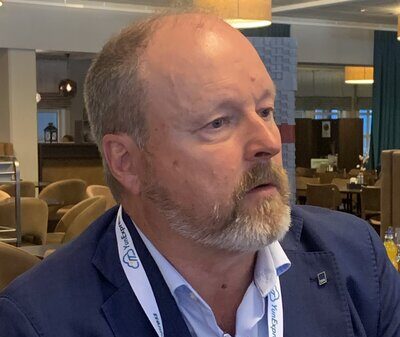
Odd-Eirik Jenssen, Purchase & Sales Manager Fram Seafood AS In my first ten years in the seafood business, we never talked about sustainability or environmental impacts caused by our daily doing. This has changed dramatically, mainly because customers put pressure on the industry, as do politicians. This started when the international Sushi wave began to roll some 20, 25 years ago. It is part of culinary globalization, triggered not only by its good taste, but also because swine fever, mad cow disease and bird flu have strengthened the trend towards fish. In Norway, this is now being thwarted by the government. A short while ago, the Finance Ministry imposed new taxes on the seafood industry, amounting to 25%. To date, it is still unclear if the tax is based on the retail price of shipments, or the annual profits made by salmon farmers. The first consequence of this governmental announcement, is that the producers have slowed down their investments, including innovative sustainable measures. However, industry associations have managed to halve the tax bill from originally 35%-40% demanded by the Finance Ministry, to 25% today. Nevertheless, in view of the paramount importance of this industry for the entire country, the tax issue will be a major topic at the upcoming national elections on 08SEP25. And 25% may not be the last word.
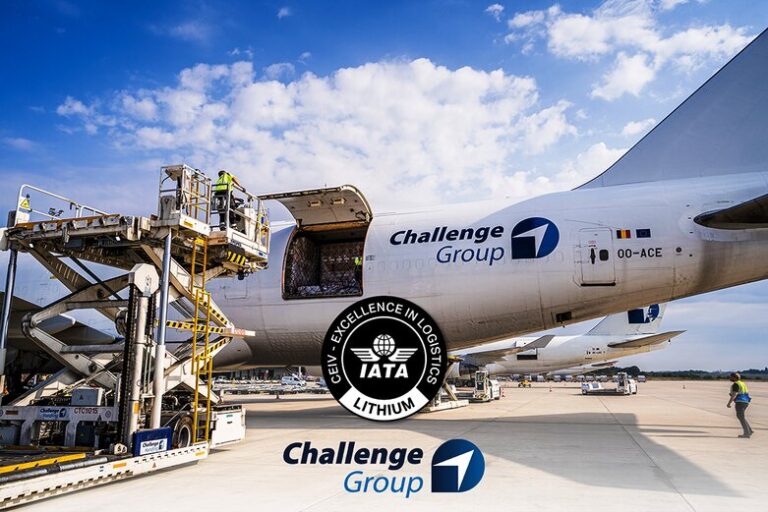
Earlier this month, Challenge Group received its IATA CEIV Lithium Battery certification. Challenge Group’s Chief Operating Officer (COO), David Canavan gave more details about this new milestone as well as an update on its perishables services, in an interview with CargoForwarder Global (CFG).
According to the International Air Transport Association (IATA), around 1.3 million shipments of lithium batteries are transported by air every year. They also estimate that around 5% of air cargo shipments include lithium batteries, in addition to other electronics and mail parcels. And those are just the shipments officially declared as containing these batteries. It took Challenge Group six months of intense preparation, training and strict auditing to finalize the accreditation. Lithium Battery shipments have their own separate handling areas, both in the warehouse Dangerous Goods section as well as in the second-line warehouse dedicated to e-commerce.
Challenge operates 50 weekly rotations in average from / to Liège, with many flights transporting lithium batteries – photos: company courtesy
E-Commerce is a segment to be watched “E-commerce receives particular attention,” says COO, David Canavan (DC), “since around 70% of e-commerce being flown across the globe, contains Lithium Batteries. That is another reason why more and more air cargo stakeholders should be striving for risk awareness and safe handling. An IATA CEIV Lithium Battery audit is the best way to adopt and ensure company-wide compliance with the required safety standards.”
COO David Canavan ensures that all safety protocols, determined for the transport of lithium batteries are followed, as required by IATA.
CFG: Are these consignments allocated specific places in the aircraft?
DC:“Regarding the transportation of lithium batteries on board our aircraft, I would like to assure you that our procedures are fully compliant with Dangerous Goods regulations and the IATA CEIV checklist. We adhere to strict guidelines for positioning lithium batteries to ensure compliance with accessibility and segregation requirements. Specifically, the placement of these batteries is carefully managed to align with the criteria for both accessibility and segregation as outlined in the relevant regulations. Furthermore, once the batteries are loaded onto the aircraft, the crew is thoroughly briefed on their specific location. This ensures that all safety protocols are followed and that the crew is aware of the precise positioning of the cargo”.
CFG: Mr. Canavan, how does the detection procedure work?
DC: “The detection procedure for lithium batteries is a critical component of our acceptance process, fully compliant with Dangerous Goods regulations and the CEIV check list. This procedure encompasses several key steps:
Documentation: We ensure that all relevant documentation is reviewed and verified to confirm compliance with regulatory requirements.
Labelling: Each shipment of lithium batteries is accurately labelled according to Dangerous Goods regulations to clearly identify the nature of the cargo.
Packaging: We verify that the packaging meets all required standards for the safe transportation of lithium batteries, including appropriate containment and protection measures.
Storage: Once these steps are completed, the batteries are stored in a dedicated segregation area within our warehouse. This area is specifically designed to handle and store lithium batteries safely until they are ready for build-up.
By following these procedures, we ensure that our handling of lithium batteries is safe, compliant, and efficient.”
Front-runner CFG: Is Challenge a front-runner in this CEIV accreditation?
DC: “Yes, Challenge is indeed a front-runner in CEIV accreditation. Our commitment to operational excellence is demonstrated by our ownership of three prestigious certifications: CEIV Pharma, CEIV Live Animals, and CEIV Lithium Batteries. At our handling facility in Liège, we served as the testing handling agent for the CEIV Pharma certification, reflecting our expertise and leadership in maintaining the highest standards in pharmaceutical cargo handling. Furthermore, we are one of the few organizations, globally, to hold CEIV Lithium Batteries certification, both as an airline and a handling agent. Our extensive certification portfolio underscores our dedication to ensuring top-notch handling practices across diverse cargo types”.
CFG:During the e-commerce forum, it was said that Liège (LGG) could grow into an important flower hub, provided that the handlers invest in vacuum coolers. In a reaction to this, Torsten Wefers said that three handlers are considering this. Is Challenge one of them?
DC: “Challenge has over four decades of expertise in handling and transporting perishable cargo, including flowers. Our facility is equipped with a fast lane and a cooling area capable of accommodating the loading of two full B747 freighters. We are continually focused on enhancing our operational processes and adopting the latest technology to better serve the cool chain industry. While we are actively exploring advancements in technology, including vacuum coolers, we are committed to improving our services to support the flower industry and the broader perishable cargo sector.”
CFG: How many flights does Challenge operate from/to LGG?
DC:“Challenge operates an average of 50 weekly rotations from our hub in Liège (LGG). Our network includes several key trade lanes, with flights serving destinations such as the U.S., China, Hong Kong, the Middle East, and the Indian subcontinent.”
CFG: What are the destinations/airports of provenance?
DC: “New York (JFK), Atlanta (ATL), Houston (IAH), Zhengzhou (CGO), Hong Kong (HKG), Tel Aviv (TLV), Dubai (DWC), Mumbai (BOM), Delhi (DEL) and Milan (MXP).”
Liège Airport has the potential to become the flower hub of the future. This was said by Willum van den Hoogen, Managing Director of the international flower market, Florius International FCZO, during a focus on commodities at the Liège e-Commerce forum. There is, however, still a way to go.
That the reflection on flowers popped up, was due to the fact that some e-commerce aircraft always take flowers on return trips from South America and Africa. Emirates SkyCargo’s SVP Commercial Worldwide, Jeffrey van Haeften, said that flowers will remain an important commodity. In this segment, however, infrastructure is everything, said Mr van den Hoogen. “Flowers are a decaying product, with an ideal conservation temperature of +1°C. You need handlers with aircraft parking in front of the door to the warehouse so that the products can be put straight into the vacuum coolers.” Florius has set up a well-performing flower route between Nairobi and Amsterdam, which is very satisfactory, he lauded. Neither Liège (LGG) nor Brussels (BRU) can match this at the moment, the manager assessed. Yet, the opportunities are there, he concluded: “At Schiphol, we are facing issues such as the general policy of the airport, slot scarcity, lack of space and environmental concerns. Amsterdam’s role as a main port is being reduced, which could favor Liège, especially if they manage to offer the same service. That is not yet the case. At Liège Airport, flowers are still handled as general cargo, and the airport does not have the right cooling infrastructure, yet.”
Willum van den Hoogen Managing Director of Florius – photo: cfg/ms
LGG will invest in infrastructure Torsten Wefers said that the airport handled 700 tons of flowers per day in 2023. “Yet, three handlers – whose names I cannot share at this moment – are willing to invest in the necessary infrastructure, such as vacuum freezers,” he said, indicating upcoming improvements. The flowers supply chain starts at the first mile, said Dirk Goovaerts, Head Middle East and Africa for Swissport. He referred to the ‘Flower Corridor’ that Swissport launched at Nairobi Airport in 2022, which seamlessly connects the farms with the aircraft. “That is different to e-commerce, where the last mile is important and that is something to be left to the specialists.” Mr. van den Hoogen is convinced that air cargo will remain the premier mode of transport for flowers. “Due to environmental demands, there is a push for flowers to be transported by sea containers and I would use it if I could. But apart from the political situation, there is the distance from Africa to the consumer markets. We try to diminish our carbon footprint by putting 130 flowers instead of 110 in one box. So, we up our transport volume by using less boxes.”
CargoForwarder Global’s ‘Spotlight On…’ series highlights all the very different functions within the air cargo industry, that serve to ensure that all kinds of shipments are carried safely and quickly from one corner of the earth to another. Quality standards and service milestones play a large part in improving and aligning processes and providing transparency along the commodity’s supply chain. That is why CargoForwarder Global asked Megha Palkar, Member Operations Manager at Cargo iQ, to talk about her responsibilities, how she came to the industry, and what advice she offers to those considering a career in air cargo.
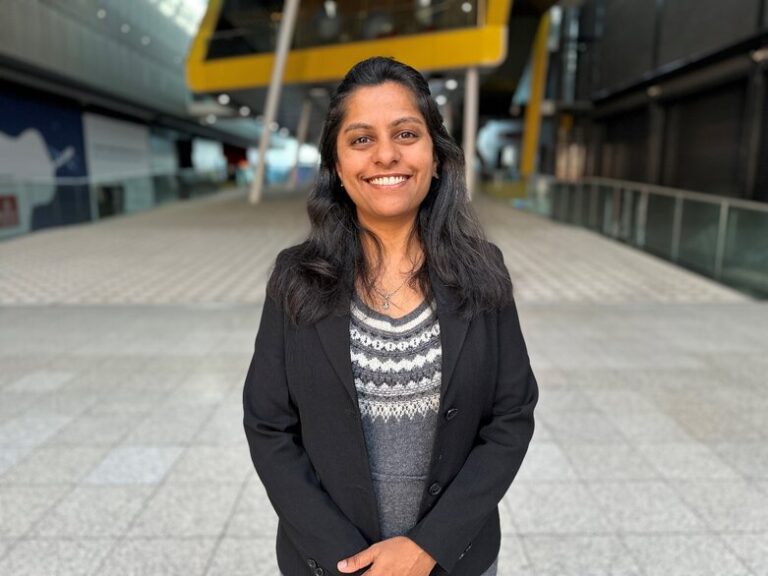
Quality standards can be fun, too! Image: Megha Palkar
CFG: What is your current function and company? And what are your responsibilities?
MP: I am the Member Operations Manager at Cargo iQ. Cargo iQ is an air cargo community that works across the sector, ensuring that air cargo is transported with efficiency and quality from origin to final destination by using data and reporting to collaborate with all stakeholders to optimize and future-proof the industry. We work with all stakeholders – for example: with airlines, freight forwarders, ground handlers, industry bodies and logistics operators, to define the processes behind the air transport of cargo to measure success and continuously improve the value of airfreight for customers. We are an IATA special interest group. In the simplest of terms, our members agree to a certain standard of quality, performance targets as a community and measurable benchmarks for continuing improvement and efficiency. Part of my job is to create these benchmarks and report their activity every month. I also work with them on various collaborative initiatives. I work on member onboarding and helping the team with finance matters.
CFG: What does a normal day look like for you?
MP: Member Operations includes a diverse range of areas, analyzing the reports that we produce and engaging members with these metrics to make their quality management processes as efficient and transparent as possible. I support my colleagues with the Cargo iQ training program. I also spend part of my day working on new industry initiatives that may soon be rolling out. This is an exciting time for the sector as the work Cargo iQ does shows the potential for the industry and I enjoy working on how we keep continuous improvement a priority.
CFG: How long have you been in the air cargo industry, and what brought you to it?
MP: After 6 years working in this industry, I see an exciting future and have already learnt so much and gained invaluable experience from across the air cargo sector. I think 6 years in the middle of a cross-stakeholder organization has been an excellent place to be and learn about the business and the whole supply chain, its priorities and various service delivery models. I joined Cargo iQ from another department in IATA. I loved my experience working with IATA and wanted to continue developing my professional career within the air transport sector. I decided to join the air cargo quality sector because I was, at the time, excited to play a part in the future of the industry.
CFG: What do you enjoy most about your job?
MP: The people, their energy and commitment to the betterment of service delivery and performance quality in the industry. My favorite aspect of Member Operations is collaboration. Not a vague ‘we vow to commit to work side-by-side’, but a proper demonstration of what people can achieve by rolling up their sleeves and getting to work together on the tough problems. We call it the Cargo iQ Quality Rally. Once again, all stakeholders – e.g. airlines, freight forwarders, ground handlers, industry bodies and logistics operators – come together and work to resolve issues jointly. For example, an airline notices issues in service delivery or KPI performance in a region or station cluster. They pair up with the relevant ground handler and involve the forwarder to investigate what is happening and what can be done to improve. The next step is a deep-dive into interdependent processes between these three stakeholders and subsequent resolution, where either each of the parties has to comply with process changes or it is just one or two of them. Numbers improve by finding the root cause and treating the underlying problem, securing management buy-in if a solution expense is involved. It is like a multi-party proof of concept within the Cargo iQ community. A model is formed to resolve similar issues for the rest of the membership; At our working group sessions, these member combinations present their models. The audience votes for the best presentations and innovative topics. Winners are given trophies, there are quizzes in between (to make sure people are not dozing from jetlag), quirky souvenirs – the whole package. With some healthy competition, it becomes the fun element of our working group sessions!
CFG: What do you see the greatest challenges in our industry?
MP: Transparent information exchange (or lack thereof). Add to that misinformation around initiatives that do exist to bridge this gap. While things get better with time, I hope that we can make it happen as an industry in a cohesive manner.
CFG: What advice would you give to people to get into the air cargo industry? Any particular training they should aim for?
MP: I would say, there are so many avenues to explore, you’ll be spoiled for choice. Join the Future Air Cargo Executives (FACE) program we run at IATA, which is particularly designed for young people in the industry looking to network and grow. The best trainings are on-the-job. If you are a student, try to score an internship with an industry player. Anything that gives you hands-on experience in a warehouse or field office, is a great starting point. If you are already in, put your hand up as many times as possible to join industry initiatives. Of course, IATA also offers several trainings on the topic of Air Cargo, and if you are registered to the FACE program, you are eligible for a discount! In 2023, the FACE participants published a whitepaper about ‘what makes Air Cargo appealing to young talent’, as an output of a workshop. Check it out if you are overwhelmed by the sea of options!
CFG: If the air cargo industry were a film/book, what would its title be?
MP: Why shipments fly – the (imported) origins of everyday things.
Many thanks for your insights, Megha.
If you would like to share your personal air cargo story with our CargoForwarder Global readers, feel free to send your answers to the above questions to cargoforwarderglobal@kopfpilot.at We look forward to shining a spotlight on your job area, views, and experiences.