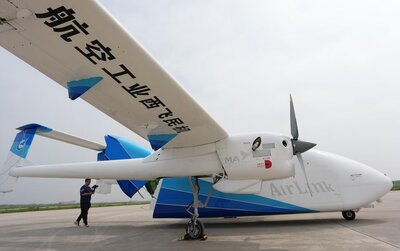
The HH-200, a new, large cargo drone manufactured by Aviation Industry Corporation of China, the country’s leading aircraft manufacturer, has successfully completed its maiden flight, reports the developer. This announcement was published after a prototype of the HH-200 took off from an airport in Weinan, Shaanxi province, and remained airborne for 15 minutes before landing at the airport, the State-owned conglomerate told media.
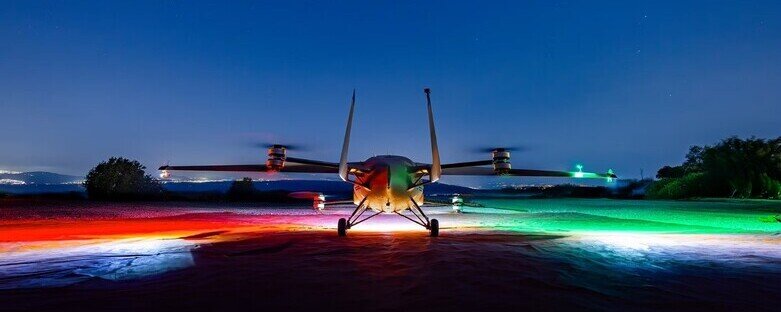
Freight drone HH-200 with open loading hatch – courtesy of AVIC
During the short test flight, all technical systems worked well. The Unmanned Aerial Vehicle completed all programmed flight maneuvers and functioned according to the pre-programmed tasks. After landing, checks showed that the drone was in good shape.
Impressive features The HH-200 is a type of commercial unmanned cargo plane developed by AVIC Xi’an Aircraft Industry Group. It is the latest freight drone model to have emerged as a result of China’s bourgeoning express delivery industry and thriving e-commerce business.
According to the developers, the HH-200 is 12.2 meters long and 16.8 meters wide, and is able to carry payloads of up to 1.5 metric tons.
The twin-engine model has been designed with a maximum cruising speed of 310 kilometers per hour and a top range of 2,360 km. It has a standard inner space of 12 m³, available for cargo, which can be expanded to 18 m3.
Meng Fantao, technical director of the HH series, emphasized that the HH-200 is designed in accordance with civil aviation standards, featuring intelligent autonomous flight and artificial intelligence-powered obstacle avoidance systems.
User friendly It is capable of accomplishing up to 50,000 flight hours and 15,000 takeoffs and landings, with a full life-cycle operating cost of 68 U.S. cents per ton-kilometer – just one-third that of manned aircraft with the same uplift capability, the manager stressed.
He revealed another important feature: The drone is very user friendly. Two operators can accomplish the loading or unloading of the aerial vehicle in no more than five minutes, increasing its service time and significantly reducing its downtime.
The drone can take off and land on runways as short as 500 meters and at high-altitude airports above 4,200 meters. It can also withstand extreme temperatures ranging from freezing cold of -40° C to scorching heat of 50° C.
Broad range of applications The unmanned transport plane can help to deliver goods to mountainous areas, islands, snowy regions and plateaus. It can be rapidly reconfigured for other applications including emergency rescue, forest fire fighting, weather modification, aerial remote sensing, and agricultural and forestry plant protection, the manufacturer added.
So far, the HH-200 has secured a total of 20 orders of intent from Chinese companies, and the manufacturer will carry out in-depth cooperation programs with package delivery companies to jointly promote the commercial application of the HH series of drones.
In addition to the HH-200, AVIC has designed and tested several other cargo drone models, such as the HH-100 and the TP2000.
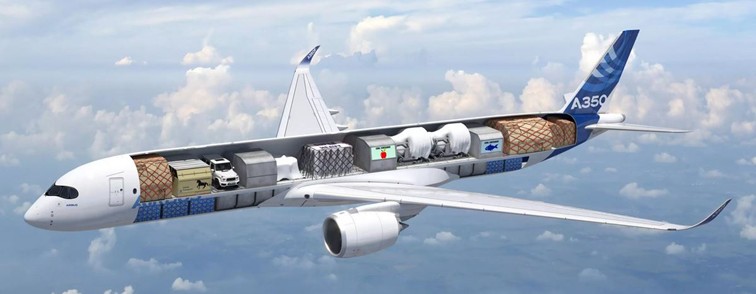
If the design and construction phase for the A350F were broken down into a 24-hour cycle, the first aircraft – prototype MSN 700,would be at the 11 p.m. mark. This is good news for the 14 customers that have placed orders for 101 units. Similarly, the build status enthuses manufacturer Airbus, since the freighter is entering a market in which demand for air transport capacity significantly exceeds supply.
The Airbus A350F catapults the aircraft manufacturer into a promising position in the large freighter segment – photos: courtesy Airbus
And the gap is likely to widen further. According to market studies cited by Marvin Ehrmann, Innovation Lab Manager at Airbus, the volume of freight transported by air is expected to double over the next two decades. The manager presented this forecast at the manufacturer’s Cargo Media Day in Hamburg, on 21APR26, attended by a dozen trade journalists from several European media. Airbus experts briefed the participants on the current status of the A350F by unveiling the progression of the program in their Hamburg and Bremen production plants.
The complexity of aircraft construction is illustrated by this figure cited by press spokesman, Daniel Werdung: “Roughly 11,000 suppliers are involved in Airbus’s manufacturing programs,” he says. Final assembly of the A350F takes place in Toulouse once Beluga freighters have carried the fuselage sections, wings, engines, and landing gears from the individual Airbus facilities in Hamburg, Toulouse, Broughton/Wales, and Getafe/Madrid, to the production plant in southern France.
No more delays As for the timeline, the A350 freighter is on schedule following repeated delays in component deliveries from supplier, Spirit AeroSystems. As things stand, the first flight tests will commence in the fall of 2026. “The company is currently in the process of supplying certification documents to the European Union Aviation Safety Agency (EASA) and Washington’s Federal Aviation Administration (FAA)”, media is told. If all goes well, the A350F is set to enter commercial service in mid-2027, provided both certifiers give their green light. Meantime, Airbus has begun to provide the first sets of documents to the regulatory authorities, which will be augmented as construction progresses.
Launching customer is CMA CGM Air Cargo, the air freight division of the French shipping giant of the same name, which has placed firm orders for eight A350F units.
A350F versus B777-8F – the race is on Its direct competitor, the B777-8F will be delivered to launching customer, Cargolux Airlines, in 2028, about a year later than its
Airbus rival. The Boeing freighter currently has 68 orders placed by seven customers: Cargolux, Qatar Airways, Lufthansa Cargo, Emirates, China Airlines, Silk Way West, and ANA.
And these are the KPIs: The A350F can carry 111 tons over a distance of 8,700 km (4,704 nm). This allows for a nonstop flight from Hong Kong to Anchorage (8,200 km), where the aircraft is refueled to continue its journey – for instance, to New York (7,000 km). On the other side of the globe, the aircraft easily covers the Beijing–Frankfurt leg (8,000 km) without requiring refueling.
24 A350 freighters per year The frame maker’s current plans provide for the construction of two cargo aircraft per month following its certification. It will be manufactured at the same assembly line as the passenger version.
According to Airbus, 70% of the airframe is made of advanced materials, resulting in a 30% lighter takeoff weight compared to the competing Boeing newbuild. This weight reduction has a positive impact on fuel efficiency. The main deck offers space for 30 ULDs (96 x 125″), while the lower deck can accommodate 12 units (96 x 125″). Both sections offer different temperature zones, ranging from +2°C to 26°C – depending on product requirements.
Technologically ahead of its time The A350F is powered by new generation Rolls-Royce Trent XWB 97K engines that burn less fuel compared to current freighter models, emit fewer greenhouse gases and are quieter. Another factor likely to add value is that the A350F meets ICAO CO2 emission standards applicable to production freighters come 31DEC27. Finally, it can operate with up to 50% SAF, that will be scaled up to 100% by 2030.
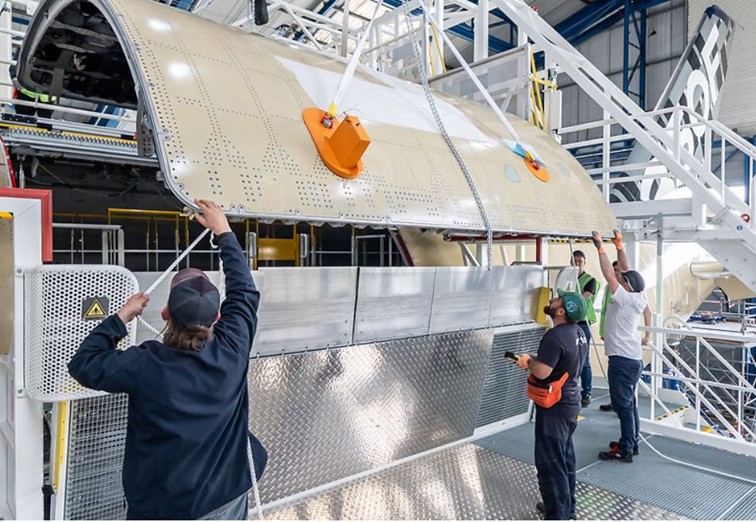
The centerpiece The new Airbus freighter’s distinctive feature is its massive cargo door. It measures 3.8 meters (width) by 3.7 meters (height). It weighs 1.2 tons and allows for the loading of all kinds of bulky and oversized cargo. “Because of these superior technical and operational capabilities, we did not consider a nose loader, especially since front loading is time-consuming and not feasible at all airports,” explains Ian Orton, lead engineer for the A350F cargo door testbed. “The biggest challenge was tailoring the individual components to the dimensions of the XL cargo door so that the hatch locks securely in all weather and operational conditions,” he adds. After numerous trials and some hiccups, this was achieved perfectly, the expert assures. On 23APR26, the first fully completed main deck cargo door was flown from the production plant in Spain to the final assembly line in Toulouse. There, it will be fitted into the fuselage of the first test aircraft and undergo trials in the coming weeks.
Installation of the large cargo door on the rear fuselage section of the A350F.
Airbus management also told media people that the A350F is not purely an Airbus aircraft, but has benefited greatly from the industrial expertise of partners such as KLM Cargo, Swissport, and others.
Result of close teamwork “We’ve set up various working groups that cover the entire cargo ecosystem from end to end,” states Ian Orton. That said, the A350F is a collaborative effort based on teamwork. His personal highlight: When, following numerous technical adjustments and months of testing, the cargo door lowered and snapped into place with millimeter precision in the designated locking mechanisms. “That was an overwhelming feeling.”
In operation, the hatch can withstand wind speeds of up to 40 knots; only then are warnings activated. While at 60 knots, it locks automatically for safety reasons.
The A350F offers yet another innovation: “Thanks to an integrated server that records and shares cargo data, it is a smart freighter,” emphasizes management. Officials also point out that Airbus offers customer airlines loadmaster courses to help them optimally coordinate the loading processes for the most efficient aircraft trim.
For years, German governments – whether led by Conservatives or Social Democrats – have viewed aviation as a cash cow. Whenever the government needed money – and when doesn’t it? – it simply raised taxes or fees. The result, after many years of doing this, is that the once high-yield cow has now stopped producing milk – figuratively speaking.
This decline is evident when looking at the traffic figures. In 2025, for example, around 207.2 million passengers took off from or landed at German airports. This represents a 3.9% increase compared to 2024, but remains 8.6% below the pre-COVID level of 2019. The reasons for this trend include not only the multiple increases in air traffic management fees, security taxes and environmental compliance fees, but also the shift toward rail travel. In combination, this has led to a reduction in revenues for airlines and airports, at the same time as costs continue to increase due to higher wages or additional energy expenditures, for example.
Michael Hoppe, BARIG, photo: CFG/hs
Air traffic tax reduction – just a drop in the ocean As far as air traffic taxes are concerned, prima facie, at least the spiral’s upward trend will be halted come 01JUL26. This was decided by the Berlin government after years of fierce debates between politics and industry. However, the cost level will only be frozen, not lowered. In contrast, airlines are demanding additional mitigation measures to remove the financial pressure on the industry and make flying affordable again for operators and their customers. In addition to internal financial woes, the situation is currently being exacerbated by the blockade of the Strait of Hormuz, causing kerosene prices to skyrocket. While Lufthansa, Austrian Airlines, Swiss, and Brussels Airlines have little influence on global pricing structures, their national governments could implement cost-cutting measures to help the industry weather the current storm to a certain degree. They have not done this, so far.
Hormuz crisis ups cost pressure According to Michael Hoppe, Chairman and Executive Director of the Board of Airlines Representatives in Germany (BARIG), it is about time that the Berlin government relieves the aviation industry of the major cost burden that has been holding it back for years: “In view of the current geopolitical challenges, which have a significant impact on air travel in particular, the massive problem of far too high state-imposed costs in Germany remains. These costs have not only slowed down growth but have also resulted in traffic being shifted to other European countries for years. Capacity for passenger and cargo traffic remains under pressure. Connectivity is severely impacted, and so is Germany’s highly export-oriented economy.” BARIG admits in a release that the Berlin politician’s decision to lower the air traffic tax as of 01JUL26, is a step in the right direction – but one that is far too small, it criticizes. The announced reduction does not even bring the tax back to the level prior to the last increase in 2024, as promised in an agreement signed a year ago by the ruling parties: Conservatives and Social Democrats.
Ralph Beisel, Airport Association ADV, courtesy of ADV
€4,531 versus €2,326 Similarly, the German Airports Association (ADV) is also exerting pressure on the government to cut costs in aviation, as its helmsman, Ralph Beisel explains: “The decision to adjust the air traffic tax was long overdue, but falls short of our expectations because the reduction is lower than promised. The newly set tax rate of €13.03 is 55 cents higher than the actual tax rate from 2024 (€12.48). The resolution of the coalition committee, from last November, had announced the complete reversal of the most recent increase in the air traffic tax. This is particularly disappointing for airlines that wish to fly to a German airport from abroad. Against this backdrop, non-European airlines will be considering whether they should include an airport in Germany in their network.” Beisel illustrates: An aircraft taking off from a German airport is charged €4,531 (average government fees); in other European countries, the regulatory fee for a pan-European flight averages €2,326.
Politicians must take further action Efficient airports – whether large or small – ensure the international connectivity of cities and a country’s economy. “If government taxes are reduced, it benefits not only the aviation industry, but also enterprises, tourism and the entire transport sector, states ADV in a release. Ralph Beisel concludes his remarks by addressing the Berlin government directly, asking it to take further actions: “The planned tax cut is a necessary and appropriate step. But further reductions, for example in air traffic control or aviation security fees, must follow.”
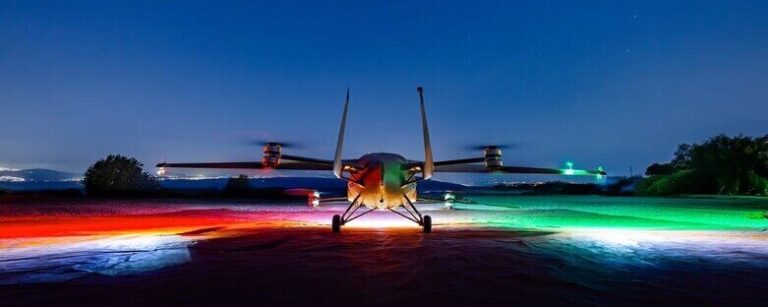
What CargoForwarder Global reported on back in 2024, became reality on 15APR26, with the first successful flight its Production AIR Cargo Heavy UAS [Unmanned Aircraft System]. A YouTube video of the event is available here. Hailed as the world’s largest quadcopter, it has been developed to address the requirements of speed, reliability and flexibility in logistics, and – in particular – to being cargo to areas that are otherwise difficult to reach with conventional transport. Israel’s company AIR is the brainchild behind the heavy-lift UAS and has been fine-tuning its invention over the past two years. The result is a production model that is one of the world’s largest VTOL-capable unmanned aircraft, classed as Group 4 UAS. That is the second largest category in the U.S. Department of Defense’s drone listing and denotes aircraft that weigh more than 1,320 pounds (almost 600 kg), which have significant endurance and payload capacity – in AIR’s case, a payload of around 550 pounds/250 kg. Its cargo bay measures 70 ft³/21 m³ and is equipped with next-generation motors, advanced battery systems, foldable wings, and fully matured avionics. The Heavy-Lift VTOL UAS lends itself for the transport of commercial or humanitarian cargo, as well as defense logistics or maritime resupply. It is FAA approved and has carried out hundreds of test flight operations in Florida. The inaugural, commercial-ready flight of its Production AIR Cargo Heavy Lift UAS, represents “a significant step forward in autonomous heavy-lift aviation”. The aircraft is capable of reliable operations in all kinds of environments, including dust, darkness and sustained mission cycles. 25 units have already been ordered and paid for.
Rani Plaut, CEO and Co-Founder, AIR, commented: “This flight milestone reflects what AIR has been building toward. We’ve spent two years refining this aircraft against real operational demands, not benchmarks or simulations. Delivering that now, at this scale, is what we set out to do.”
Chen Rosen, CTO and Co-Founder, AIR, stated: “This next-generation configuration taking flight is the culmination of years of engineering iteration and direct operational learning. Every design decision, from the motors to the flight logic, was stress-tested against what operators actually encounter in the field. The result is an aircraft built not just to fly, but to work.”
Air cargo and logistics solutions provider, SATS, is supporting Kuwait’s low-cost carrier, Jazeera Airways’ cargo operations from Saudi Arabia to maintain supply links with Kuwait following the closure of Kuwait International Airport due to regional conflict. Operating from its 60,000 m² facility at Dammam’s King Fahd International Airport (DMM), SATS has handled the airline’s cargo logistics since 26MAR26, managing shipments including perishable foodstuffs and essential goods that are then transported overland into Kuwait. Jazeera has also established a second base at Saudi’s Qaisumah–Hafar Al-Batin Airport (in operation since 11MAR26), creating dual air-land corridors under its ‘Project Baraka’ initiative.
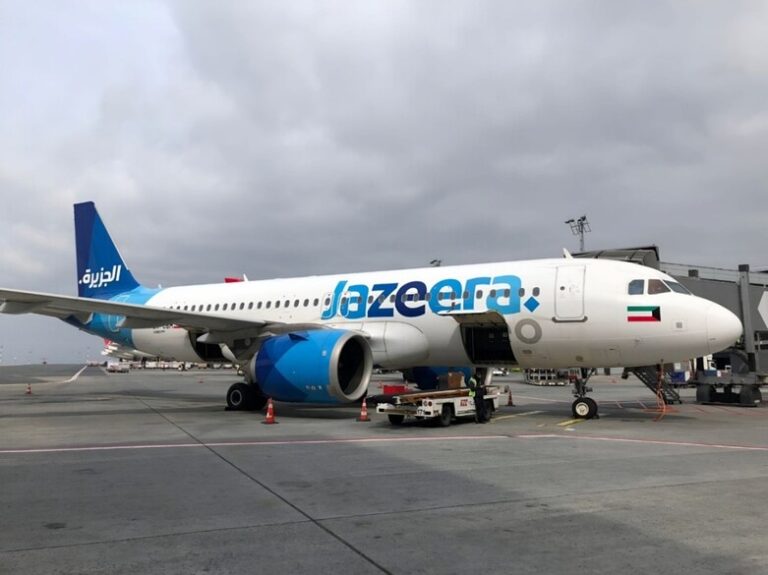
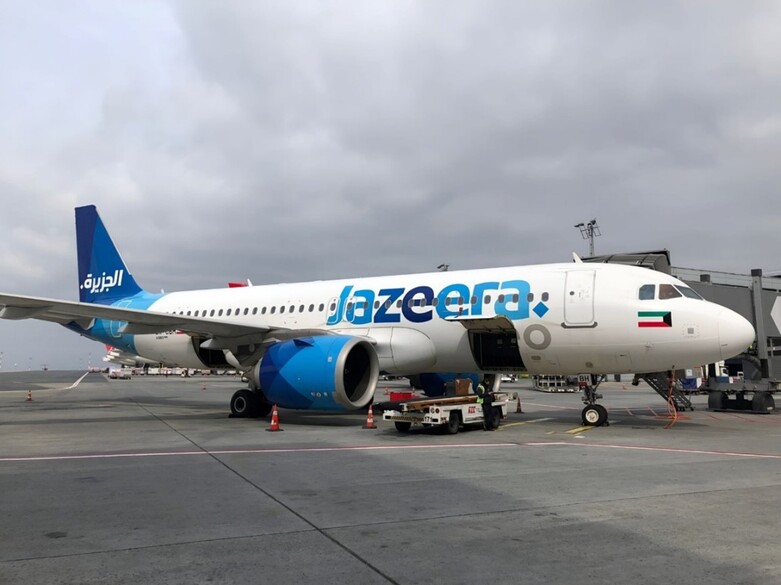
Keeping things moving despite Kuwaiti airspace closure. Image: Jazeera Airways
This cross-border, dual airport model has enabled a rapid scale-up, with 27 destinations, more than 1,500 flights (using A320neo aircraft), 450,000 seats, and 2 million tons of cargo capacity being offered through to 15MAY26, currently. SATS’ wider regional network, including facilities in Saudi’s Riyadh and Jeddah, as well as in Oman, strengthens its role in providing alternative logistics gateways across the Gulf, ensuring continuity of critical supply chains during ongoing disruptions.
Bob Chi, CEO of SATS APAC Gateway Services, commented: “The SATS team is honored to support Project Baraka, alongside Jazeera Airways, with purpose and pride. Through the movement of passengers and essential cargo such as food, pharmaceutical supplies, and critical spare parts, we hope to help maintain and keep vital air cargo connectivity open into Kuwait during this challenging period. As the situation in the Middle East adjusts to a new dynamic, we will leverage SATS’ global network across 27 countries to minimize disruptions to customers. SATS will continue working closely with airline and logistics partners to facilitate the safe handling, storage and onward movement of cargo as routes and schedules evolve.”
Barathan Pasupathi, Chief Executive Officer, Jazeera Airways, added: “In the face of unprecedented operational challenges, Jazeera Airways has moved quickly to establish a cross-border air-land model that keeps Kuwait connected. Our partnership with SATS, a well renowned and world class organization headquartered in Singapore, is a critical part of this effort, ensuring the uninterrupted flow of essential cargo including food items and other vital supplies. Together, we are not only maintaining connectivity but reinforcing a lifeline for the community and the wider economy during this period.”
DSV has marked an historic milestone in United Airlines’ corporate SAF program, by signing the largest amount that any single customer has pledged for to date, together with its customer, Microsoft. Up to 11 million gallons/41.6 million liters of SAF will be supplied by Phillips 66 and used to fuel United Airlines’ flights carrying Microsoft shipments around the world. That amount translates into a reduction of around 100,000 tons of lifecycle greenhouse gas emissions compared with conventional jet fuel – this is the equivalent of one freighter-flight for every day of the year, the release informs. The shipper and freight forwarder will use the book‑and‑claim methodology to transparently register verified emissions reductions through the Sustainable Aviation Fuel Certificate Registry (SAFc Registry) which ensures that the fuel really is produced from sustainable feedstock and to the required standard. United Airlines will use the actual SAF. The more companies work together, the sooner SAF production can be scaled to meet demand, and the more effectively transition to cleaner skies can happen. Long-term agreements like these are a crucial foundation for greater SAF availability. d coordinated execution across the supply chain.
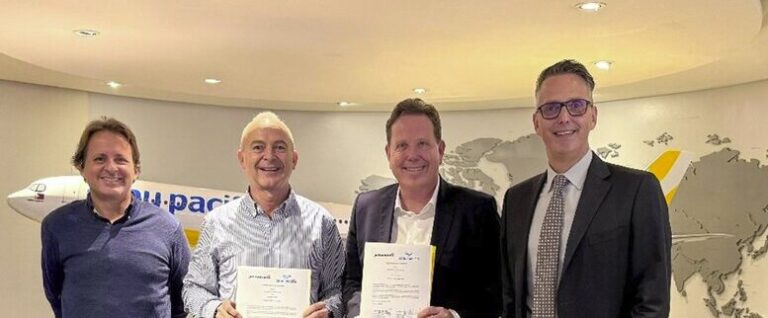
DSV, Microsoft, United Airlines and Phillips 66 join in SAF contract. Image: DSV
Frank Sobotka, CEO, Air & Sea Division, DSV, affirmed: “This collaboration aligns with DSV’s long-term sustainability strategy and reflects our role as a global partner helping customers access lower emission transport solutions at scale. By connecting customers, carriers and fuel producers, we can help turn sustainability ambitions into operational outcomes.”
Lauren Riley, Chief Sustainability Officer, United Airlines, announced: “This is the largest contracted SAF supply agreement with a single customer, DSV, in the history of our corporate SAF program, the Eco-Skies Alliance, demonstrating the possibility of large-scale greenhouse gas reductions when the members of a value chain – from supplier to end customer – work together.”
Marco Eipper, General Manager, Cloud Supply Chain Logistics, Microsoft, reasoned: “This collaboration builds on Microsoft’s ongoing work to reduce emissions across our cloud logistics value chain and supports our broader sustainability goals. By collaborating with partners across the aviation value chain, we can help advance the adoption of sustainable aviation fuel and support the transition to lower-carbon air transport.”
Ronald Sanchez, Vice President, Aviation, Phillips 66, said: “Phillips 66 has the integrated assets, logistics network and operational experience to deliver SAF at scale today, not years from now. With this unique collaboration across industries, we’re helping turn demand for lower‑carbon aviation into reliable, real‑world supply with measurable impact.”
Every week, CargoForwarder Global’s ‘Spotlight On…’ showcases a specific segment of the air cargo industry, to illustrate the many functions contributing to international logistics. Air cargo logistics plays a crucial role in the transport of life science and pharmaceutical products, so companies developing and producing thermal packaging and digital monitoring solutions for these high-value shipments are an important factor. Their products safeguard against temperature excursions during vulnerable ground handling, tarmac exposure, and transit situations. Reusable systems help to cut waste and costs, while single-use options provide simplicity. Digital real-time visibility, early alerts, and data-driven decisions reduce the risks of loss, damage, and ultimately risks to the patient. This week, Kristof De Smedt, Global Market Segment Director Airlines & Logistics Service Providers, Cold Chain Technologies LLC, explains his role and shares his views and advice.
The air cargo industry is very agile when things are going off track. Image: Kristof De Smedt
CFG: What is your current function and company? And what are your responsibilities?
KDS: I’m currently serving as the Global Market Segment Director Airlines and Logistics Service Providers with Cold Chain Technologies LLC – A global leader in advanced reuseable and single use thermal packaging and digital monitoring solutions for the transportation of temperature-sensitive Life Science and Pharma products. Within my current role, I’m responsible for developing our Global Growth Strategy within the air cargo market segment, focusing on CCT’s entire comprehensive pallet solutions portfolio. As many pharmaceuticals and healthcare products are time critical, we’re collaborating closely with many logistics service providers and airlines around the globe, to ensure the integrity of healthcare products and medication is secured up until it reaches the patient, by offering high quality, sustainable and multi-use cold chain innovation.
CFG: What does a normal day look like for you?
KDS: Being located in the heart of Europe (Belgium), I’m in the perfect time zone to engage with our APAC and EMEA based colleagues in the morning, and my afternoons are typically reserved for my U.S. and Latin American team members and/or business partners to connect with. As the market is currently facing a lot of challenges, it’s truly encouraging that we’re contributing to a real purpose, securing the integrity of life-saving medication up until the patient. Finally, I’ve been nominated recently as a full board member of IATAs HCWG (Healthcare Cargo Working Group) where I can contribute to drive towards better compliance and regulatory standards that serve today’s needs of the Life-Science and Healthcare IV industries.
CFG: How long have you been in the air cargo industry, and what brought you to it?
KDS: I’ve been intrigued with the air cargo industry ever since the start of my professional journey. My graduation thesis was built in close collaboration with Brussels Airport (BRU Airport 100′ concept), which, after 30 years, still remains a very hot topic, as still today most temperature excursions typically happen on the tarmac.
CFG: What do you enjoy most about your job?
KDS: I’m truly grateful to work for a global player offering high-end temperature control solutions in a business environment that is constantly adapting to new market trends and innovation needs within the cold-chain packaging industry; I very much enjoy the global interaction with airlines and global logistics players in various parts of the world. It’s exciting to see our company is truly recognized as a global leader in cold-chain innovation tailored to the Pharma and Life Science market needs.
CFG: Where do you see the greatest challenges in our industry?
KDS: Within the Pharma/Life Science segment, the air cargo industry has demonstrated that it is very agile when things are going off track (e.g. During the COVID pandemic and also currently with the Middle East crisis). One of the greatest challenges for the air cargo industry, is the upcoming development of ATMP (Advanced Therapy Medicinal products including cell and gene and tissue-engineered therapies) that call for a specific ‘Silver Glove’ service, which will require a new collaboration model between the pharma industry, regulators and multiple stakeholders from the air cargo industry, as those shipments are exceptionally stringent, highly sensitive and time critical, and require continuous monitoring and specialized packaging solutions which cannot be handled within the existing standard frameworks.
CFG: What advice would you give to people looking to get into the air cargo industry?
KDS: As the air cargo industry is a community-driven business segment, it is crucial to embrace collaboration and build a strong network of key industry stakeholders in order to become successful. With regards to specific training, I would highly recommend getting IATA certified (introductory course, dangerous goods handling specialization, etc.). And a basic degree in Logistics Management, Supply Chain Management, together with a blend of hands-on experience and digital proficiency will be very helpful
CFG: If the air cargo industry were a film/book, what would its title be?
KDS: ‘The Unbroken Cold-Chain of the Red-Eye Flight’ will be great one! [Winks]
Thank you, Kristof!
If you would like to share your personal air cargo story with our CargoForwarder Global readers, feel free to send your answers to the above questions to cargoforwarderglobal@kopfpilot.at We look forward to shining a spotlight on your job area, views, and experiences.
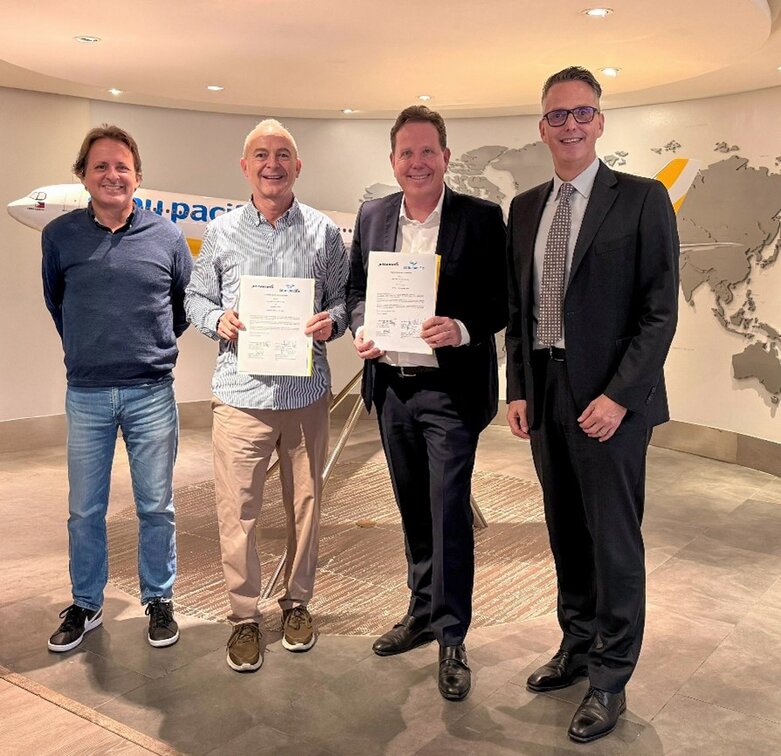
Cebu Pacific has reaffirmed its long-standing partnership with Jettainer by renewing its long-term contract. Thus, Jettainer will continue to support the Philippine airline in its growth strategy. The partnership dates back to 2020, when the extraordinary circumstances of the pandemic meant that all on-boarding needed to be done remotely. This was obviously a success, given Cebu Pacific’s excellent growth trend both domestically and internationally. It operates one of the world’s youngest fleets, numbering 100 aircraft. Of these, 14 are Airbus A330neo. According to Jettainer’s press release, Cebu Pacific is the Philippine’s preferred air cargo carrier, too.
Pictured l > r:Cebu Pacific’s COO, J. Massot, & CEO, M. Szücs; Jettainer’s CEO, J.W Breithaupt, & CSO, Thorsten Riekert. Image: Jettainer
The renewed agreement means that Jettainer will continue to manage and maintain Cebu Pacific’s unit load device fleet, ensuring availability across its widening network. The partnership also introduces Jettainer’s advanced IoT tracking technology, enhancing real-time visibility and improving asset utilization while supporting sustainability goals. A dedicated on-site Customer Service Manager will further streamline operations and strengthen service delivery. Both companies are aligned in their mission to ensure complete customer satisfaction and operational excellence.
Javier Massot, COO of Cebu Pacific, commented: “Jettainer has been a reliable and innovative partner throughout our growth journey. Their consistent ULD availability, seamless operational integration and proactive support have helped us drive efficiency and reduce unnecessary ULD movements, supporting our sustainability efforts.”
Thorsten Riekert, Chief Sales Officer of Jettainer, said: “We would like to express our sincere gratitude to Cebu Pacific for their sustained trust and look forward to continuing our joint growth trajectory. Innovative services that add value, combined with customer proximity, are important priorities for us as we strive to always provide the best possible support.”
Smart Freight Centre (SFC) and the British International Freight Association (BIFA) have joined forces to offer UK freight forwarders discounted access to specialist emissions training, aimed at strengthening the industry’s response to growing decarbonization demands. Under the partnership, BIFA members can access the SFC Academy’s expert-led courses covering the Global Logistics Emissions Council (GLEC) Framework, market-based measures, and road freight electrification. The training is designed to equip forwarders with practical tools and technical understanding to measure, report, and actively reduce emissions across their operations.
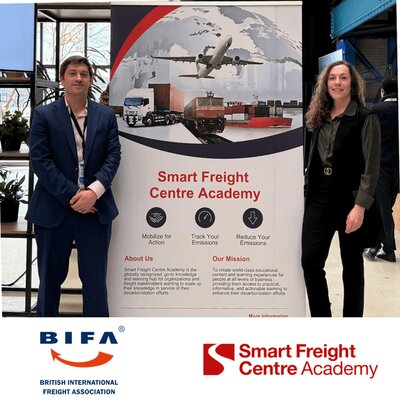
Jamie McKean (left), BIFA, and Andy Golding, Smart Freight Centre. Image: BIFA
The initiative comes at a time when freight forwarders – particularly those involved in air cargo – are under increasing pressure from regulators, customers, and airline partners to provide accurate emissions data and demonstrate meaningful progress toward sustainability targets. As air freight remains one of the most carbon-intensive transport modes, forwarders play a large role in ensuring transparency, optimizing modal choices, and supporting the adoption of lower-emission solutions such as sustainable aviation fuel (SAF).
By improving emissions literacy and standardizing reporting practices, this type of training helps build credibility across the supply chain while enabling forwarders to make informed decisions that align with both regulatory requirements and shipper expectations. SFC and BIFA indicated that the collaboration may expand further, reflecting the sector’s ongoing need for robust, practical guidance on the path to zero-emission logistics.
Steve Parker, Director General of BIFA, said: “This partnership is BIFA’s latest initiative in equipping the trade association’s members with the information and support that they require to deliver emissions reporting and decarbonization solutions that are viable operationally and commercially. In the last few years, we have created a policy group that is looking into the issues surrounding sustainable logistics, as well as developing a dedicated area of our website, packed with useful information, including a good practice guide.”
Jamie McKean, BIFA’s Sustainable Logistics Policy Adviser, stated: “The SFC Academy is widely respected for its pragmatic and industry-focused approach to sustainability training. Through this partnership, and by offering discounted access to its courses, BIFA members will be better equipped with the tools and knowledge they need.”
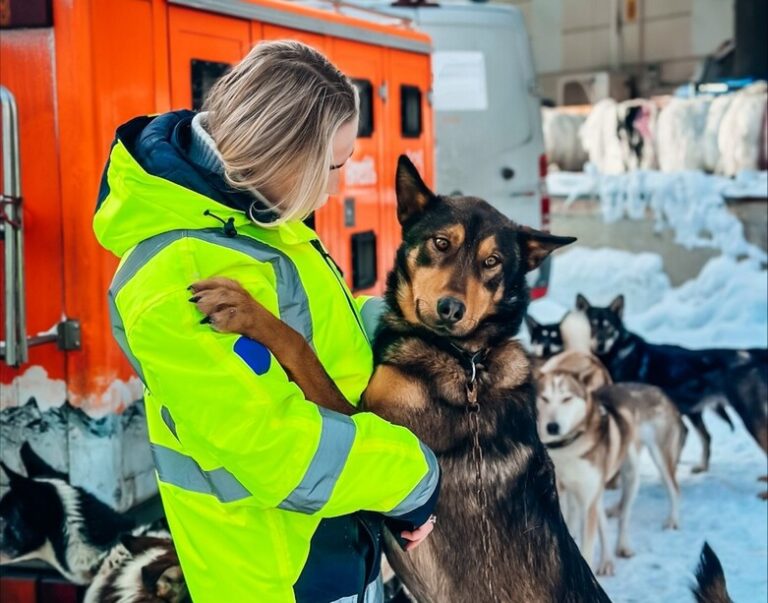
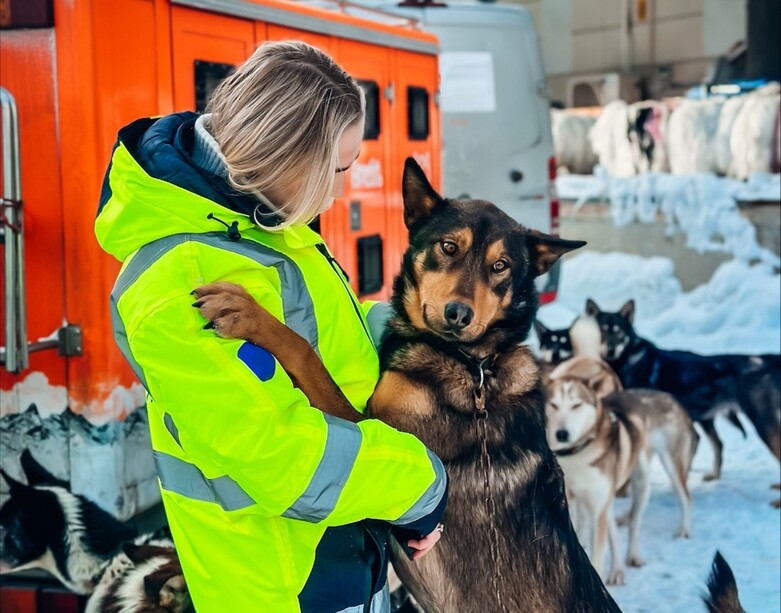
The Iditarod Trail Sled Dog Race is Alaska’s iconic endurance test of man and dog. It first took place in its current form (running around 1000 miles from Anchorage to Nome, Alaska), in 1973, with 36 sled teams of 12-14 dogs participating. 22 teams made it to the finish – the fastest being Dick Wilmarth’s ‘Musher’, winning after a 20-day-long race. The annual event now sees between 40-70 teams participating with around 700-1,000 dogs in total. This year, Air Charter Service helped to get 36 of those huskies to the starting line in Alaska, for the race which began ceremoniously on 07MAR26 and then for real on 08MAR26, continuing through to 17-22MAR26. The second-time winner – a local Musher by the name Jessie Holmes and his “Team Can’t Stop”, took just 9 days and 7 hours to complete the distance, this year.
Huskies in Oslo, about to fly to Alaska. Image: ACS
The 36 huskies and their handlers were flown from Oslo, Norway, to Anchorage, USA, in good time and with the care required for such precious cargo.
Dan Morgan-Evans, Group Cargo Director at ACS, revealed: “We were approached by a group of Norwegian competitors taking part in Iditarod – ‘The Last Great Race’, a 1,000-mile, 10-day, sled race from Anchorage to Nome in Alaska. Flying so many dogs involved a number of obstacles, including finding an airline that was happy to perform the flight, and that could fly directly without a fuel stop, in order to prevent any added time that the huskies would have to spend in transit. We identified a Boeing B757-200F as the ideal aircraft – the payload was less than two tons, as it was just the dogs and their equipment, including dog food, vitamins, harnesses, and camping gear. The next challenge was to arrange for the handling agent in Oslo to bring in extra staff, securing an outdoor space for the dogs to stretch their legs before the flight, and ensuring we had all the correct health documents to operate (36 passports, 36 rabies certificates, 36 health certificates, and 36 CDC Permits for the U.S. customs). One of our cargo team flew with the aircraft, the dog handlers and the huskies, to ensure everything went smoothly at both ends – we had secured airside access in Anchorage, so that the dog handlers could drive up to the aircraft and load the dogs for their short onward journey. Following the successful race, the dogs flew to Seattle on another charter, this time on a McDonnell Douglas MD-83F, before picking up their ride back to Europe on a scheduled flight.”