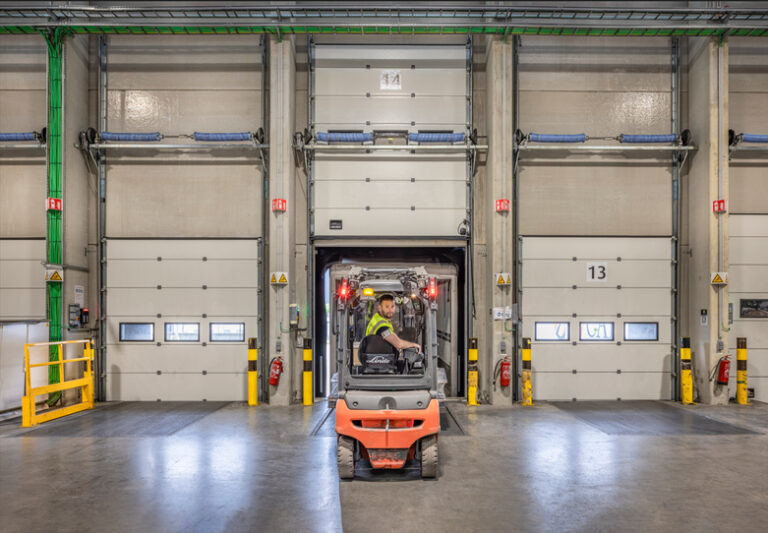
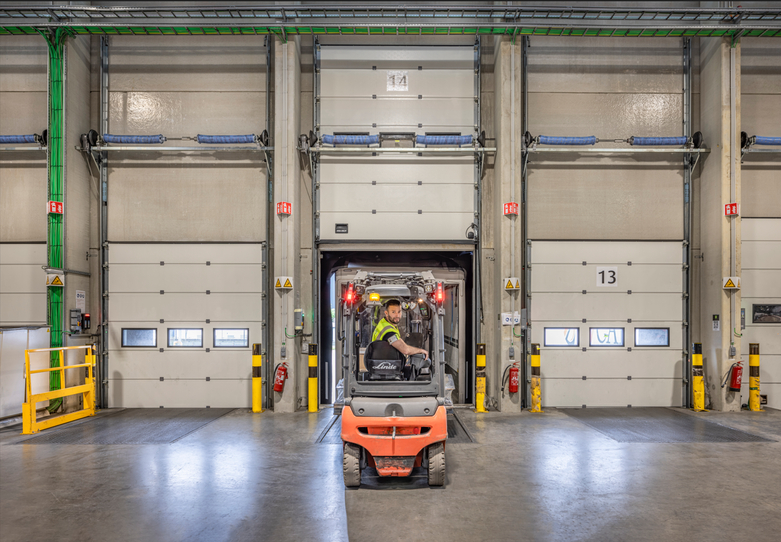
Lifting on behalf of Kuehne+Nagel at WFS’ FRA facility. Image: WFS
EFFH stands for the new ‘E-commerce & Freight Forwarder Handling’ services that SATS company, Worldwide Flight Services (WFS), offers not just at Frankfurt, but also Amsterdam, Brussels, Copenhagen, Dublin, Liege, London, Madrid, Stockholm, and 12 French airports. Kuehne+Nagel recently signed the contract according WFS to provide freight forwarder handling services at Frankfurt Airport, Europe’s largest air cargo gateway. On behalf of Kuehne+Nagel, the service provider will handle import shipments, carry out weight and dimensions processes on export shipments, and ensure that goods are secure and ready for carriage. Further, it will provide cargo labelling, HAWB consolidation into Master Airway Bill (MAWB), ULD build-up services and arrange dedicated shuttles for ground handlers and airlines to departing flights.
So, the WFS’ investment in Cargo City South has paid off. It has leased two warehouses and two office buildings on a 24,000 m² site, equipped with ULD handling systems and volume and dimension scanners to efficiently process cargo. Dedicated to EFFH services, the facility opened in DEC25 and can handle an annual import and export throughput of around 100,000 tons.
Bert Selis, VP Business Development E commerce & Freight Forwarding Handling EMEAA, revealed: “Kuehne+Nagel is a key and highly valued partner of SATS and WFS, and we are proud to be expanding our global partnership in Frankfurt, which has been made possible by the launch of our E-Commerce & Freight Forwarder Handling [EEFH] services in our new facilities at the airport. Our EFFH services are central to the growth strategy of SATS/WFS and are designed to deliver clear operational and cost benefits to growing logistics providers, as Kuehne+Nagel has recognized with this new contract.”
Martin Schaefer, SVP Air Logistics Germany at Kuehne+Nagel, commented: “We are pleased to expand our partnership with WFS in Frankfurt. Frankfurt is an important gateway within the Kuehne+Nagel airfreight network. Together, we can speed up imports and exports by reducing clearance and processing times to optimize cargo flows for our customers.”
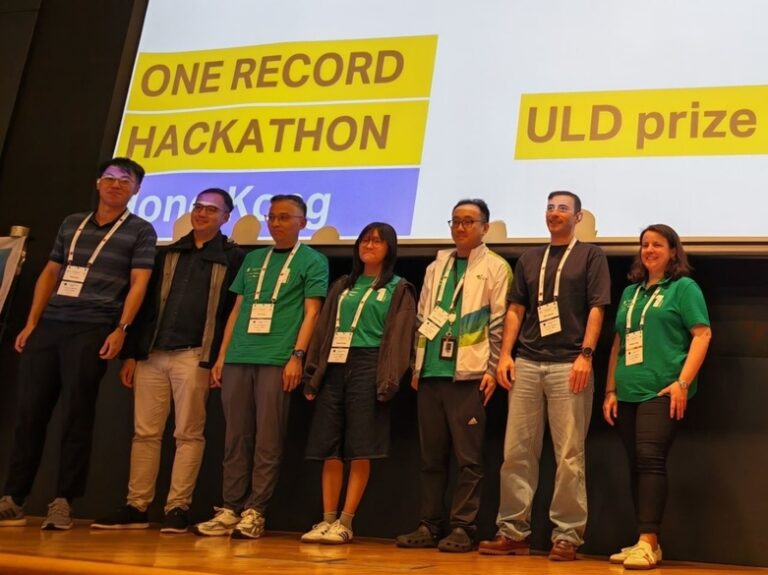
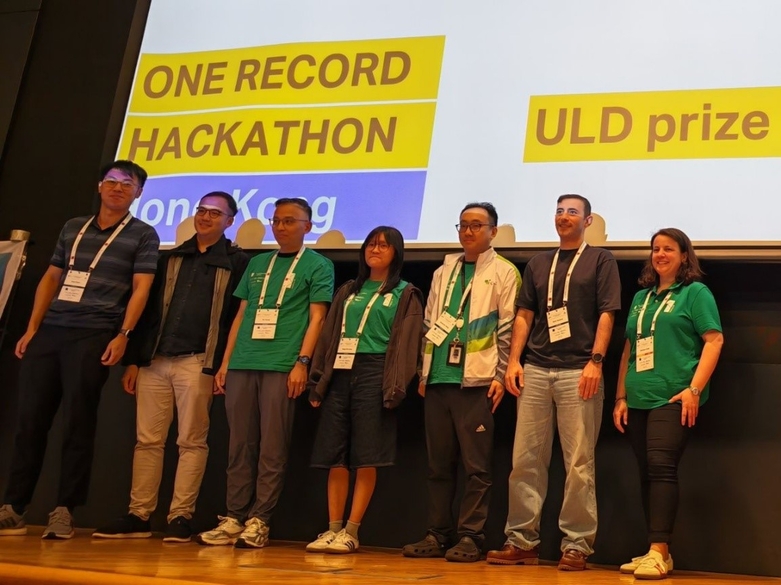
That is pretty much a recycled article headline, since this is now the fifth time that the software provider has come out tops at International Air Cargo Association (IATA)’s ONE Record Hackathon. This time, the intense, 48-hour event wherein developers and industry stakeholders assemble in teams to build applications using the ONE Record data standard, was held in Hong Kong. It was supported by CHAMP Cargosystems, Cargo iQ, Jettainer, and a few other partners.
The Awery Aviation Software team was made up of Vitaly Smilianets, Serhii Radchenko, Yurii Bykov, Anton Khrystenko, Anna Balan, and Ivaylo Atanasov, who took up the challenge of the delays being caused by fragmented data across airlines, handlers, and forwarders, by providing a real-time operational view of shipment milestones. They created and delivered a fully functional air cargo monitoring tool within those 48 hours. Called Voyager and fully integratable with the ONE Record API, their solution “uses QR-based acceptance checks to capture key milestones, including Freight on Hand, Shipment Accepted for Carriage, and Ready for Carriage, in line with Cargo iQ’s Exception Handling Code Protocol The solution also integrates direct messaging alerts for forwarders, drivers, airlines, and shippers, and uses artificial intelligence alongside Open-Meteo forecasts to predict temperature risks before they impact cargo,” the release explains. It monitors acceptance processes and handling updates. “As a next step, Awery will develop an open-source PHP ONE Record server to support wider industry adoption, making integration more accessible for operators and technology providers,” it adds. Vitaly Smilianets, Founder and Chief Executive Officer, Awery, said: “Winning the hackathon for the fifth time, shows how quickly working solutions can be built when standards such as ONE Record are applied in practice. The industry does not lack data, but it still struggles to use it in real time, and Voyager demonstrates how that gap can be closed operationally.”
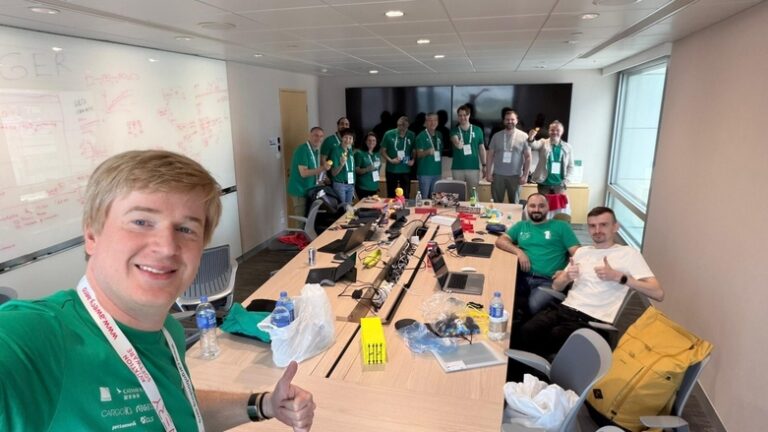
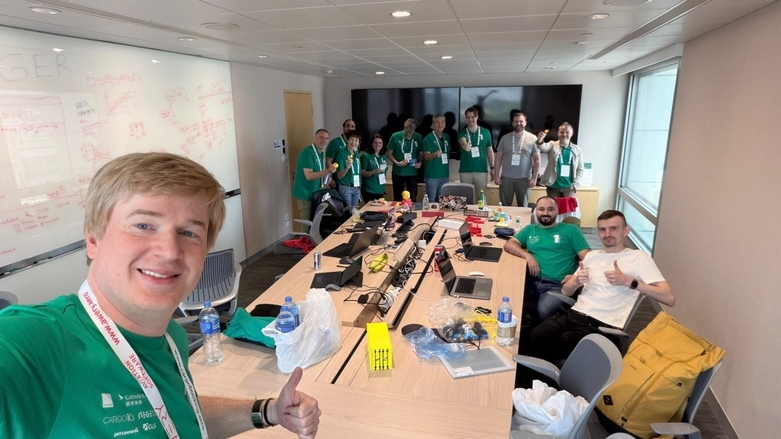
Standing up to the 48-hour challenge and delivering a winning solution. Image: Jettainer
At last week’s IATA ONE Record Hackathon at Cathay City in Hong Kong, Jettainer posed the following real-life ULD challenge: “How can the storage and handling of cool passive pallets be ensured to always remain within the correct temperature range?” Temperature-sensitive shipments are temperature-control requirements are on the rise across the air cargo industry, and the importance of maintaining the right temperature is crucial, given what some of the commodities being transported are used for, as well as their financial value. Product integrity and safety must be guaranteed. Cathay Cargo teamed up with Global Logistics System (GLS) to collaborate on developing a functioning solution within the given 48 hours between 24APR26 and 26APR26, and the joint team came out a winner. It created an innovative solution for tracking cool passive pallets. The release details: “By building a tracking device from the ground up, including corresponding analytics platform, the team developed an end-to-end solution for pallet tracking that delivers real‑time monitoring, ONE Record integration, and instant insights for every shipment. The proprietary device is equipped with a suite of environmental sensors, including temperature, humidity, light intensity, and vibration. To ensure seamless connectivity and real-time data transmission, the device integrates Bluetooth, Wi-Fi, and GPS – forming a fully connected intelligence ecosystem that delivers actionable insights at every stage of the shipment journey. This enables continuous monitoring and ensures compliance with defined exposure limits.”
Jan Wilhelm Breithaupt, CEO of Jettainer, stated: “This is the second time we have participated in the hackathon with a ULD Challenge, and we continue to be impressed by the creativity of the competing teams. Among many strong concept ideas, the Cathay Cargo and GLS team stood out and is a well-deserved winner. We warmly congratulate them on their success. As supporters of the ONE Record initiative from the very beginning, we are committed to driving its development forward. In combination with our latest IoT tracking solutions, we see significant potential to further enhance our ULD management services, offering added value to our customers.”
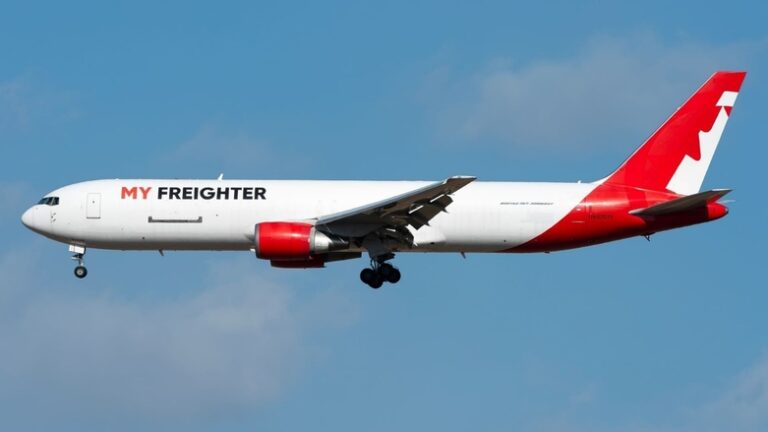
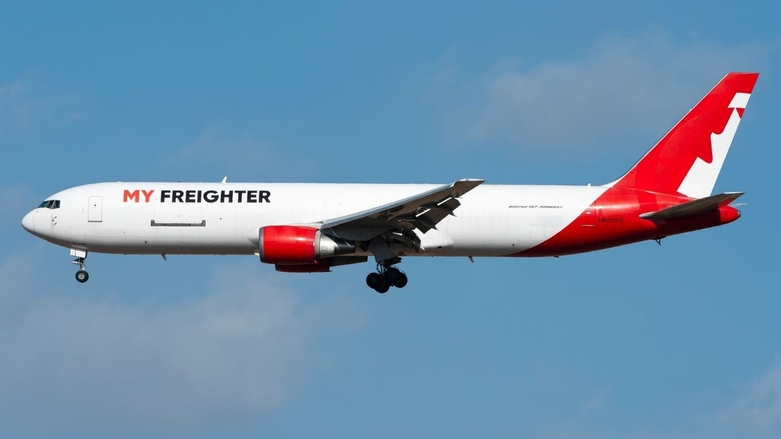
Strategically supported commercially by ECS Group in Europe. Image: My Freighter
The Uzbek airline, My Freighter, which was founded in 2019, has enlisted ECS Group’s services to fast-track its commercial growth across Europe. The airline, which has a great many interline agreements with other international carriers, operates a fleet of Boeing 767-300 freighters and already serves key European gateways such as Liège, Maastricht, Basel, Tallinn, and Paris CDG, linking cargo originating from there, to Central Asia (including Almaty), via its home hub in Tashkent. The main driver of its growth is e-commerce coming from China, which demands speed and volume capacity.
The airline has partnered with ECS Group to benefit from the GSSA’s strong European network, market and commercial expertise as it seeks to further expand its European reach. Since the contract came into effect in JAN26, ECS Group has mobilized its subsidiaries Globe Air Cargo France, the Netherlands, and Belgium, to ensure cargo growth for My Freighter, and promote the carrier’s strategic and attractive (since otherwise underserved) trade lanes. ECS Group combines human expertise with digital innovation to secure maximum commercial operations, healthy revenues and optimum load factors. Through ECS Group’s commercial focus, customers enjoy faster market access, stronger yield opportunities, and a clear competitive edge in a highly time-sensitive environment. Jean Ceccaldi, CEO of ECS Group, commented: “This partnership is a clear demonstration of how ECS Group executes: we identify high-potential carriers and immediately deploy the full strength of our network to accelerate their market penetration. Within weeks, we activated multiple European markets and generated tangible commercial momentum. This is not about representation; it is about delivering measurable revenue and competitive positioning at speed.”
Every week, CargoForwarder Global’s ‘Spotlight On…’ gives the stage to an individual working in a particular segment of the industry, to showcase their function and demonstrate how varied career paths can be in air cargo. Airlines naturally play a central role in the industry, because without aircraft, there would be no air cargo. There are passenger airlines offering belly cargo, pure cargo airlines with freighter fleets and then there are airlines offering both. Air France KLM Martinair Cargo is one such example. The dedicated cargo arm of Air France-KLM offers belly capacity plus freighter lift and is often innovative in its approach to industry focus topics such as digitalization and sustainability. Today, Sean Wismann (SW), Business Development Manager at Air France KLM Martinair Cargo, takes us through his responsibilities and shares views and advice on getting into the air cargo industry.
Don’t be guided by outdated stereotypes – this industry is evolving rapidly! Image: Sean Wismann
CFG: What is your current function and company? And what are your responsibilities? SW: I am currently a Business Development Manager within the Sales & Distribution team of Air France KLM Martinair Cargo. My role focuses on performance management and supporting our European markets, in close collaboration with central Pricing & Revenue Management teams, to optimize network performance across our Air France, KLM and Martinair operations. I also ensure alignment across teams on central developments such as digital innovations and network opportunities.
CFG: What does a normal day look like for you? SW: A typical day revolves around connecting teams across functions to build a clear understanding of both micro- and macro-level dynamics across Europe. My week usually starts with reviewing industry developments, competitor activity, and key commercial successes from the previous week. While there are recurring responsibilities, the focus of each day evolves depending on seasonal trends and emerging priorities, which keeps the role dynamic and engaging.
CFG: How long have you been in the air cargo industry, and what brought you to it? SW: Following the Covid downturn, I transitioned from my previous role in aviation in the UK and reconnected with my Dutch roots. I began my cargo journey as a Commercial Support Executive at IAG Cargo in Amsterdam, where I gained hands-on experience across a wide range of activities, from quoting to strategic BSA negotiations. I later moved to KLM as part of the AFKLMP Cargo Group and have now been working in air cargo for five years in a broader, more strategic role supporting our European markets.
CFG: What do you enjoy most about your job? SW: What I enjoy most is the collaboration and problem-solving that comes with navigating new challenges. Whether a situation requires operational, digital, pricing or marketing adjustments, working together across teams to find the right solution is very rewarding. I also value the opportunity to explore new business cases with our Network teams, which provides early insights into future developments for both Air France and KLM passenger networks as well as our full freighter operations. Above all, this is a people-driven industry, and the strong relationships built along the way are a big part of what makes the job so enjoyable.
CFG: Where do you see the greatest challenges in our industry? SW: One of the key challenges is the ongoing transition of global freighter fleets, with many aircraft approaching retirement. At the same time, this creates opportunities for the next generation of aircraft, such as AFKLMP’s A350F, which are quieter, more fuel-efficient and capable of longer ranges. These developments not only improve operational efficiency but also support broader sustainability ambitions and may enable access to new markets that were previously less viable.
CFG: What advice would you give to people looking to get into the air cargo industry? SW: I would recommend starting with a solid understanding of the fundamentals of the industry: who the key players are, how forwarders operate, and core concepts such as tonnage, yield, and product segments. Having this foundation will help you stand out early on. Gaining hands-on experience is equally important. Starting in an operational or support role allows you to understand the full process of moving freight from A to B and builds a strong base for future development. Finally, don’t be guided by outdated stereotypes. The industry is evolving rapidly, with significant advancements in digitalization and sustainability. Air cargo plays a vital and distinct role within the aviation sector, offering many opportunities for growth.
CFG: If the air cargo industry were a film/book, what would its title be? SW: It may sound lighthearted, but for me ‘Finding Nemo’ and the phrase “just keep swimming” comes to mind. The industry is constantly navigating challenges and disruptions, yet people consistently show resilience and creativity in finding solutions and keeping cargo moving against all odds.
The Baltic Air Cargo Symposium in Riga, Latvia, once again demonstrated that the Baltic region is steadily positioning itself as an increasingly important player in the European and Eurasian air cargo landscape. Bringing together airlines, airports, freight forwarders, exporters, GSSAs, logistics specialists and technology providers, the conference provided an extensive platform for discussing the future of air logistics in a rapidly changing world. In addition to important current topics, the 230 attendees were also given plenty of room for networking.
The event opened with strong contributions from the Latvian Minister of Transport, Atis Svinka, and Riga Airport (RIX)’s CEO, Laila Odina, who both emphasized the strategic importance of aviation and cargo development for Latvia and the wider Baltic region. Riga Airport’s ambitions to further strengthen its role as a regional cargo hub and airport city development project, formed an important backdrop to the discussions throughout the symposium.
The conference itself was expertly moderated by Finnair’s Head of Global Cargo Sales, Anna Maria Kirchner, whose experience and industry knowledge ensured lively discussions, strong interaction between speakers and participants, and a highly professional atmosphere during the entire event.
The first Nordic Air Cargo Symposium in the Baltic States was very well received by the air cargo community – photos: courtesy of Euroavia Int’l
Disruptions often spur innovations One of the central themes throughout the symposium was the review of current challenges and opportunities facing global air cargo. Speakers repeatedly referred to the turbulent geopolitical environment, changing trade patterns, inflationary pressure, rising fuel costs and the continuing need for resilient supply chains. At the same time, there was also a strong sense of optimism. The consensus among many participants was that periods of disruption often accelerate innovation and create new opportunities for collaboration. Particularly interesting were the presentations and panel discussions involving senior industry executives such as Achim Martinka of logistics giant, DSV, and representatives from SAS Cargo and Fly Khiva. Their contributions highlighted how air cargo operators are adapting to changing market conditions, increasing customer expectations and the need for greater operational flexibility. Several speakers focused on the evolving balance between passenger aircraft belly capacity and dedicated freighter aircraft. During the pandemic years, freighters proved indispensable for maintaining global supply chains, while the recovery of passenger operations has again increased available belly capacity. However, most experts agreed that both models will continue to complement each other in the future.
Many requirements determine future fleet decisions An especially insightful presentation came from John Skelly of Airbus, who provided a fascinating overview of the next generation of freighter aircraft. His presentation explored both newly built freighters and converted aircraft entering the market in the coming years. Sustainability, fuel efficiency, operational flexibility and digital integration were identified as critical factors shaping future fleet strategies. The symposium also highlighted how air logistics itself is evolving. E-commerce continues to transform cargo flows worldwide, demanding faster processing, increased digitalization and greater flexibility from airports and logistics providers alike. Pharma and life science logistics remain among the fastest-growing specialized cargo sectors, requiring highly controlled temperature-sensitive supply chains and extensive regulatory compliance. Seafood exports, particularly important for Northern Europe and Nordic markets, were also discussed as a key growth segment where speed and reliability remain essential.
Three countries, one common interest Another important takeaway from the conference was the growing cooperation between the Baltic states. Estonia, Latvia and Lithuania naturally compete for cargo flows, airline services and logistics investments. Nevertheless, the symposium clearly demonstrated that the region increasingly recognizes the value of cooperation alongside competition. Shared infrastructure ambitions, multimodal connectivity and regional partnerships may strengthen the Baltic position within European logistics networks and create additional opportunities for future growth.
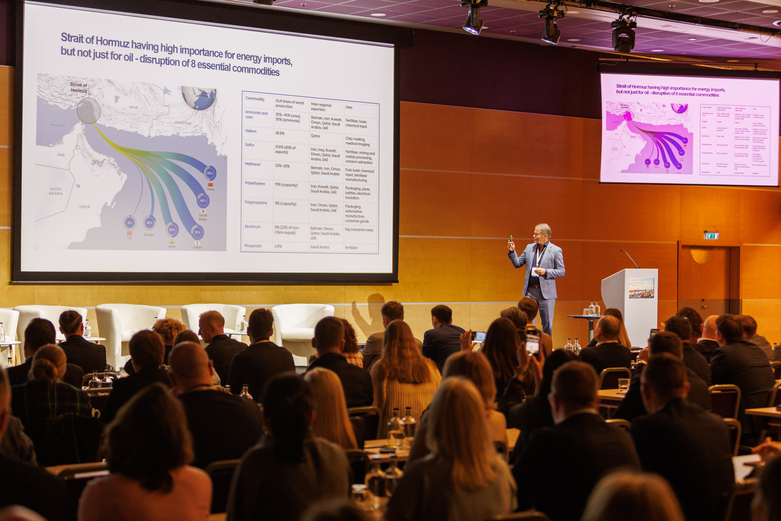
Achim Martinka of DSV pointed out the many products whose transport has been disrupted by the blockade of the Strait of Hormuz, including, in addition to oil, sulfur, hydrogen, helium, ammonia, methanol and others.
Essential priorities Digitalization was another recurring topic throughout the event. Speakers acknowledged that the industry has already made considerable progress in areas such as electronic documentation, cargo visibility, data exchange and automation. However, there were also concerns about ensuring that ongoing geopolitical instability and economic uncertainty do not slow down or disrupt this digital transformation. Cybersecurity, operational resilience and harmonized international standards were all identified as essential priorities moving forward. The geopolitical situation naturally remained impossible to ignore. Ongoing global tensions continue to influence routing structures, operational costs and strategic planning throughout the aviation and logistics industries. Rising fuel prices are putting additional pressure on airlines and freight operators, while uncertainty surrounding global trade patterns requires companies to remain flexible and adaptable. Yet despite these challenges, many speakers stressed that air cargo has repeatedly demonstrated its resilience during crises.
Intensive interaction What also made the Baltic Air Cargo Symposium particularly successful was the exceptionally broad participation from across the industry. Airlines, airports, freight forwarders, exporters, handling agents, transport companies and GSSAs all contributed to highly valuable discussions and networking opportunities. The quality of both the presentations and audience interaction remained consistently high until the very final session. Special recognition must go to Lars-Gunnar Comen and Natalie Comen of Euroavia for the excellent organization of the event. Their efforts created a professional and welcoming environment that allowed participants to exchange ideas openly and constructively. The Baltic Air Cargo Symposium in Riga ultimately demonstrated that, despite today’s geopolitical and economic uncertainties, the air cargo industry continues to look forward with determination, innovation and a growing willingness to cooperate. The Baltic region, with its strategic location, strong logistics ambitions, skilled workforce and increasing regional collaboration, may well become one of the more dynamic cargo markets to watch in the years ahead.
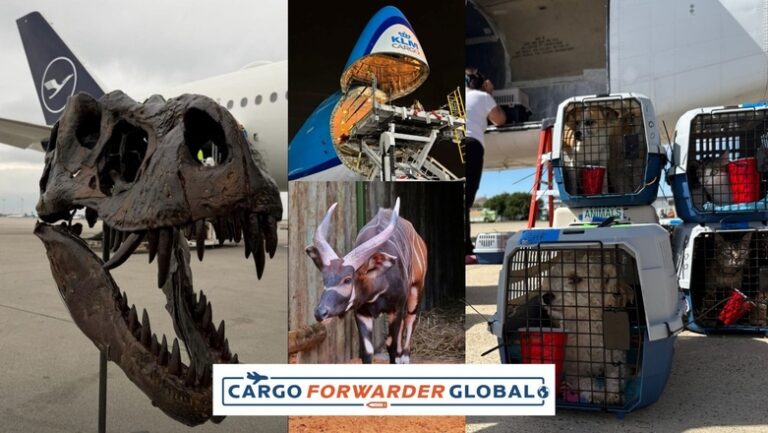
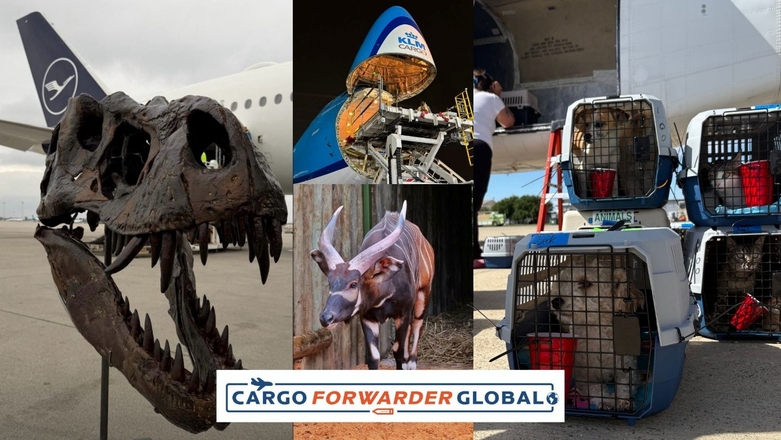
Animals are not a rare sight on aircraft given that around 200,000 live animal shipments were recorded by IATA in 2024, and that figure has been on an ever upward trend since 2019. For the past half-century, how they are to be handled and transported has been laid out in IATA’s Live Animals Regulations or LAR for short. This was also launched in digital form, last year – LAR Verify is a portal designed to improve the animals’ welfare and safe transport. The LAR is continuously updated and, this year, the focus is particularly on container specifications and correct use. Both facets depend heavily on what kind of animal is being transported. And just how varied animal transports can be, was shown in three separate air cargo stories recently.
The ancient, the wild, and the domesticated. Image: LCAG, AFKLMP Cargo, ACS, CFG
First off: The Cute Air Charter Service was contacted with a large and pretty fluffy – not to mention heart-warming – project request: to assist in the transport of 208 pet cats and dogs to their new forever homes. These were rescue animals that had been collected in the Californian city of Merced and were destined to find owners in Oregon and Washington. Thomas Howe, CEO of ACS California, commented: “We were approached by a charity that we have worked with before, to fly more than 200 rescue cats and dogs, many of the dogs were very young puppies, to three different rehoming programs in northern states, so they could start their new lives. Flying them means that the animals are in transit for much less time than they would be travelling by road. There are several specialist considerations when arranging charters with animals on board, so we sent one of our team to Merced to oversee the loading, ensuring that everything went smoothly. As this was for a charity, they enlisted a team of volunteers to help load the aircraft, which resulted in an efficient operation, with all animals securely on board in a little over an hour. The aircraft made three drops, first in Salem, Oregon, where it was on the ground for just over 30 minutes, before flying to Arlington and Spokane in Washington. The cats and dogs all arrived at their final destinations safely, and ready to start their new lives. It’s charters like this where we feel that we’re making a real difference, not only to the animals, but to the people who will be welcoming them to their families.”
The Wild From the cute to the crucial. Air France KLM Martinair Cargo recently participated in an important mission aimed at rewilding a species at great risk of extinction: Mountain Bongos. It is estimated that there are currently only 66 Mountain Bongos living in the wild in Kenya. With the airline’s part in the ‘Return of the Bongos to Kenya’ project, that figure has increased by four. Four robust, male Bongos from a Zoo in the Czech Republic, were chosen (on account of their age, health and genetic suitability) to be flown to Kenya, for release into the wild, where it is hoped they will further increase the population. The project was a collaborative effort between the Kenya Wildlife Service, Mount Kenya Wildlife Conservancy, and international conservation partners such as the European Association of Zoos and Aquaria (EAZA). Cited in Business News Kenya, Pier Luigi Vigada, Air France–KLM Martinair Cargo’s Regional Director for East & Southern Africa and the Indian Ocean, stated: “This operation demonstrates what is possible when aviation and conservation work hand in hand. We are proud to support a mission that contributes directly to the survival of one of Africa’s most iconic and endangered species.” Joris Holtus, Air France-KLM’s General Manager for East and Southern Africa, Nigeria and Ghana, added: “As an airline group, we are vividly aware of the greater purpose that global connectivity serves. That’s why, whenever we receive a call to support conservation initiatives like the transfer of the mountain bongos and lions, we do respond without hesitation.”
The Boney The most unusual transport of all, recently, was that of ‘Rocky and Regina’. As Lufthansa Cargo’s ESG/CSR Lead, Bettina Petzold, wittily announced on LinkedIn: “Our oldest VIPs on their way to China” and posted images of the dinosaurs that traveled from Munich to Beijing, last month.At 67 million years old, she’s probably right about the mother and son Tyrannosaurus rex duo who boarded the China-bound flight, having left their home in the Dinosaurier Museum Altmühltal, for an extended holiday at Beijing’s Natural History of China Museum. They are the stars of the show in “A Special Exhibition for the King of Dinosaurs” which opened on 01MAY26 and will run through to 11OCT26. Some time after that, they’ll fly Lufthansa Cargo’s Dino-Class back, again with the help of forwarders Art by Pro and Art to Move. The photo shows a replica of Regina’s 1.3-meter skull, which was specially showcased airside to give an idea of the boxed-up treasures that were being loaded into the aircraft. Rocky and Regina are of particular historical and scientific interest because they are genuine fossils of some of the most complete T-rex skeletons every discovered. Rocky – the only known juvenile T-rex skeleton in the world – was found in the late 1990s. He measures almost 10 meters in length and is around 60% complete, whilst his mother, Regina, is a fully grown adult at 12 meters in length and likely weighed more than 10 tons. They are now joined by over 100 Chinese Tyrannosauroid specimens tracing 400 million years of predatory evolution.“Global logistics connects cultures, science, and people – sometimes even across millions of years,” Lufthansa Cargo emphasized.
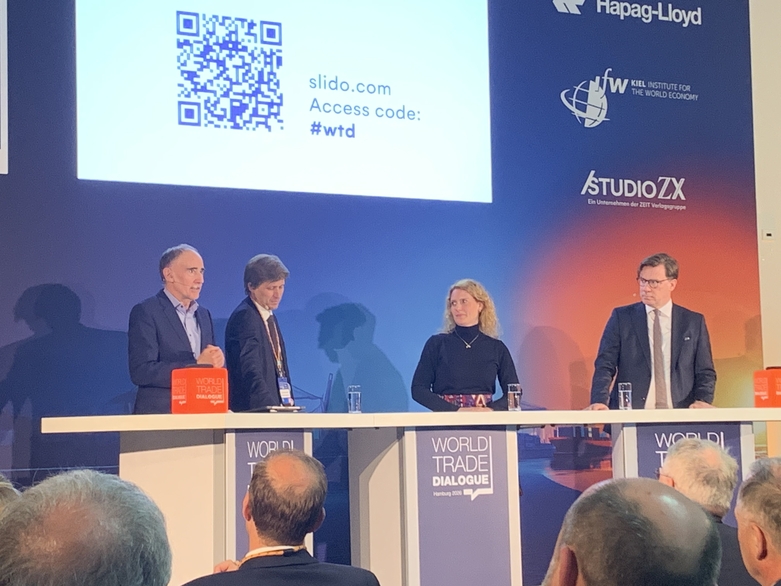
Europe could be on its way to becoming a museum if the business and political leaders do not urgently acknowledge new global realities and respond to them with targeted strategic adjustments. The goal of the EU member states must be to implement the principles of a rule-based economy, even in the face of harsh external resistance. Companies and entire systems that remain passive in the here and now, have already lost. That was a core message from scholars, economists, and logistics experts at the World Trade Dialogue. The event, attended by over 200 invitees, took place at the headquarters of the shipping line, Hapag-Lloyd, in Hamburg on 28APR26.
Old alliances have broken down; new ones are urgently needed for democratic countries and liberal economies, including a fast diversification of suppliers to reduce dependencies. This was one of the focal themes tabled and discussed by experts at the World Trade Dialogue. But sticking the head in the sand like an ostrich in the face of geopolitical tensions would not be an appropriate strategy for survival. Thinking positively and looking ahead would be the right approach instead. Based on this insight, the panelists offered a wealth of encouragement for European companies on how they can use the crisis to their advantage. And there is no shortage of crises: Russia’s ongoing war against Ukraine, the Iran conflict, the closure of the Strait of Hormuz, escalating civil wars in Sudan and Mali, Houthi attacks in the Gulf of Aden, and China’s increasingly aggressive behavior in adjacent maritime areas and toward Taiwan, including neighboring countries in Southeast Asia. The bitter truth is that the law of the jungle prevails, and a rules-based economic system is becoming increasingly rare.
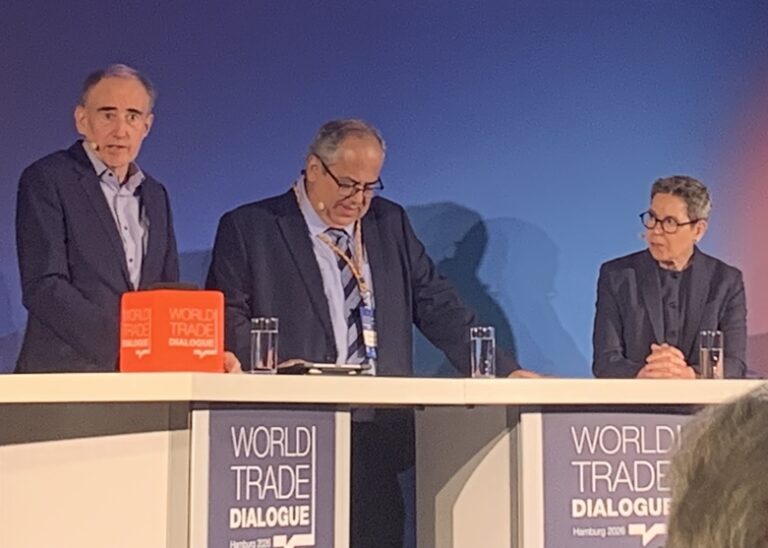
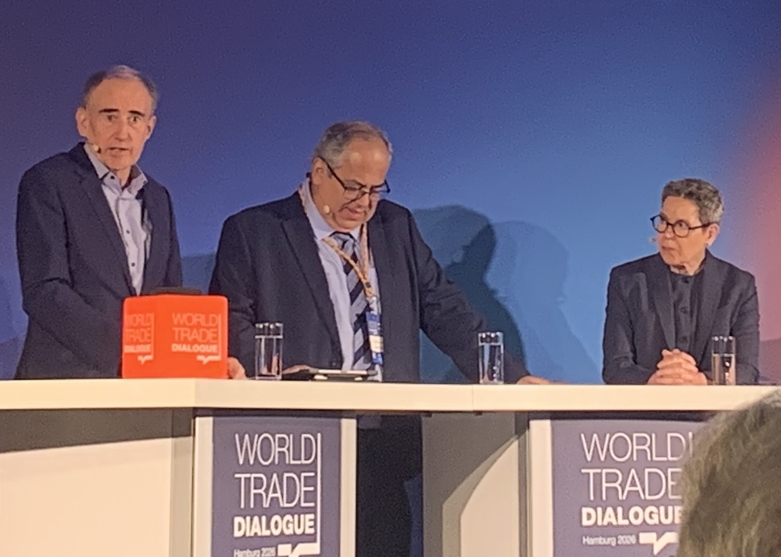
Moderator Uwe Jean Heuser of newspaper Die Zeit (standing left) welcomed Welber Barral and Simone Menne on stage – photos: CFG/hs
Wedged between two heavyweights The two main players in the arena of disruption are China, with the Putin system clinging to its coattails, and the increasingly authoritarian and erratic Trump system on the other side of the globe. Wedged between these two blocs is the EU. In its political and economic actions, it has so far mostly resembled a rabbit frozen in fear at the sight of a snake. Or rather, like a rabbit seeing two predators at once. There are many reasons why things have turned out like this. These were described early on in the works of the German-American analyst, Albert Hirschman (1915–2012). He analyzed how asymmetrical power relations in international trade can be used by stronger states to dominate weaker ones. Or, in its contemporary form: trade is increasingly being weaponized by dominant regimes to induce dependencies. “Today, we are fast moving from a Baron de Montesquieu-based system founded on liberal principles and the separation of powers, to an age predicted by Hirschman, in which the stronger party ruthlessly asserts its power,” Professor Moritz Schularick, President of the Kiel Institute for the World Economy and co-moderator of the Dialogue, stated in his introductory remarks.
Mercosur and more But what are the specific consequences of this development for the EU, as well as for other democratic nations such as Australia, Japan, Brazil, and Canada, to name just a few? Forging new alliances – and doing so quickly – was a key recommendation made by experts at the conference. The Trump administration’s ever-changing tariff decrees are acting as catalysts in this process. This is evidenced by the agreement between the EU and the Mercosur bloc. “It took 25 years to discuss the treaty, during which particular interests – such as the demands of French farmers – acted as obstacles. Then Trump launched his tariff shock, trivialized as ‘liberation day’, and the agreement was ratified immediately, at least provisionally,” summarized Dr. Welber Barra, a partner at BMJ Consulting, who had traveled from Brazil. Similar agreements are in the pipeline with India, Australia, Malaysia, and the United Arab Emirates, said the Minister of Economic Affairs, Katherina Reiche, who joined in a video call. And there is interest between Ottawa and Brussels in an even closer transatlantic partnership to mutual benefit. At the same time, the minister emphasized that 450 million consumers live in the EU – a good 110 million more than in the U.S. This makes the continent a coveted global market, as well as a hotbed of innovation and technology. “We need to make much better use of these advantages,” she urged.
Basic internal reforms are indispensable To embark on this growth road, however, obstacles must be removed and companies must foster a new spirit of optimism, emphasized Simone Menne, former CFO of Lufthansa and current President of AmCham America. “Don’t remain stuck in a state of paralysis, hoping that waiting will help until things get better. This won’t happen. Companies must save themselves if they want to survive. They should start fighting German angst!” she exclaimed. And to that end, in addition to positive thinking and forward-looking action, there is an arsenal of measures ready to get the European economy back on track. New global partnerships and diversification of production to reduce dependence on a single supplier are further components. But the question of what expectations Chinese trading partners have of German and European products, provides the clearest guide: For them, these parameters are paramount: high product quality, excellent engineering, reliable supply chains, and advanced sustainable solutions coupled with long-term trade relations. “To be ahead of the curve when it comes to smart and advanced products, we need structural changes in Europe, especially in Germany. This will cost social sacrifices, but perseverance and immobility must be overcome politically as well as socially. Ifwe fail, we will end up as huge museum or amusement park and earn money as tourist guides,” Simone illustrated.
We must implement trade relations that serve Germany and the EU best,” exclaimed Nico Lange. With him on stage were Silke Lehmköster and Moritz Schularick. Far left: Moderator Uwe Jean Heuser
“Team Europe” needed Ultimately, however, the decisive factor for balanced trade relations is primarily the price that consumers or importers must pay for a product. There is no level playing field in this sector. For instance, China deliberately uses its own currency to reduce the cost of its exports. Furthermore, many measures are politically driven and therefore heavily subsidized by the Beijing rulers, particularly the export of rare earths. Commercially oriented Western companies can do little to counter this state-driven economy. Unless their governments impose sanctions on Chinese exports, thereby making them significantly more expensive. But this will most likely fire back, harming their trade relations. At least in the strategic and security sectors, countermeasures have already been taken to prevent the outflow of strategically important know-how. Nico Lange concluded: “As Germans, we must quickly learn which interests serve us best and not help others get back on their feet. This we’ve done for decades. The wind has changed. Now we must be determined – as must our European partners – to create and implement trade relations that serve us best.” Lange, a former military man, is the Founder and Director of the IRIS Institute for Risk Analysis and International Security. Thus, creating an agile ‘Team Europe’ driven by a spirit of innovation, placing greater emphasis on self-interest, might be a viable solution,” Moritz Schularick summarized in his closing remarks.
Glasgow Prestwick Airport (PIK)’s e-commerce focus has resulted in another win. What began with the first dedicated e-commerce flight operated by Silk Way West Airlines back in DEC24, (CFG reported), and was quickly followed by the first Far East airline in FEB25, when Hong Kong Air Cargo premiered its e-commerce transport to the Scottish Airport (CFG reported), has now grown into a strong, regular operation with 15 weekly flights to and from mainland China and three from Hong Kong (HKG).
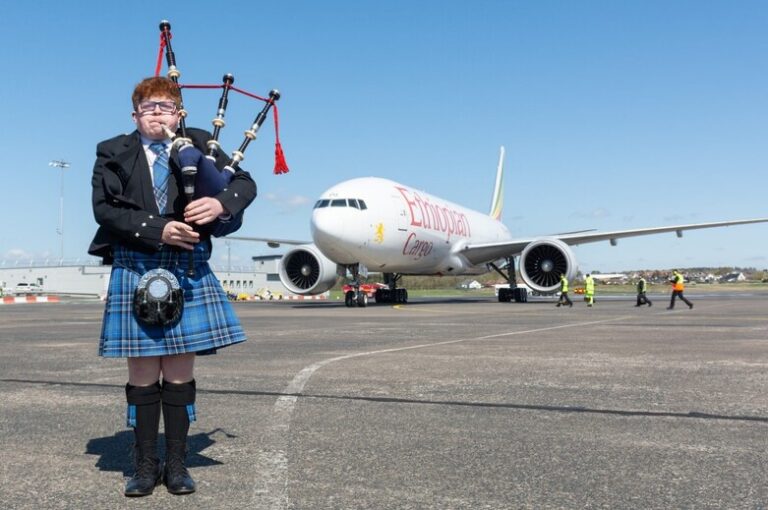
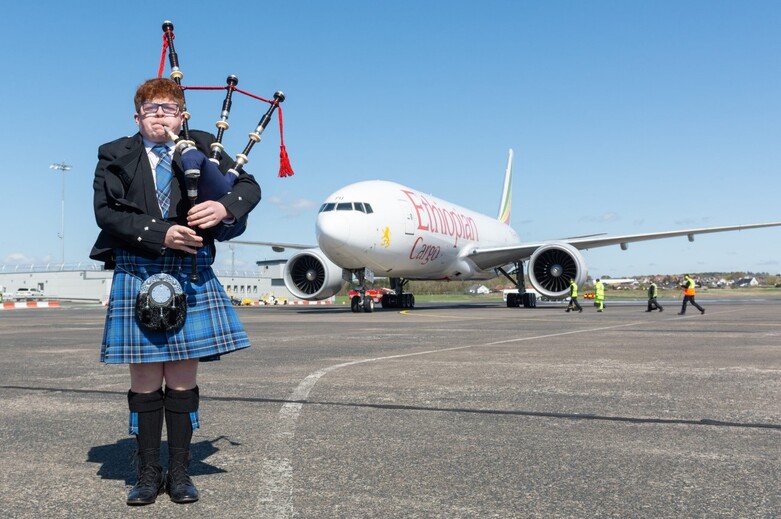
Bagpipes welcome the first of Ethiopian Airlines’ new three times a week service from Glasgow Prestwick Airport. Image: PIK
And a leading African cargo carrier has now linked up to the Scottish e-commerce logistics network: Ethiopian Airlines announced this week that it will operate three times a week between HKG and PIK. The import cargo flights will depart from HKG on Tuesdays, Wednesdays, and Saturdays, securing regular e-commerce connections and reinforcing PIK’s ambition to become the UK cargo gateway for Asian trade. PIK has built up a strong cooperation with Royal Mail and EVRi, to secure national deliveries across the UK, which resulted in the creation of 250 new jobs and has already passed the milestone of 25 million e-commerce parcels (CFG reported). It predicts that its growth in long haul cargo services will facilitate up to GBP 250 million in cross border trade.
Ian Forgie, Chief Executive Officer, Glasgow Prestwick Airport, commented: “These new flights mark a significant step in scaling Prestwick’s e-commerce operation, with Hong Kong now a key inbound gateway into our network. By introducing a purpose-built, fast-track cargo handling model for e-commerce, we’re setting a new benchmark for speed and efficiency, enabling goods to move through the airport faster than at other hubs and reach end customers more quickly and reliably.”
Nico Le Roux, Business Development Director, Glasgow Prestwick Airport, added: “This service demonstrates how regional airports can rebalance global flows, pairing inbound e-commerce with outbound premium exports to improve utilization and strengthen supply chain resilience. New routes to South Korea and Vietnam also give Scottish exporters more direct access to high growth markets and a more efficient routing model for global logistics partners.”
Ethiopian Airlines Group CEO Mr. Mesfin Tasew, stated: “Ethiopian Airlines’ new thrice-weekly cargo service between Hong Kong and Glasgow Prestwick is a significant boost to the e-commerce operations between the two airports. As a global airline growing its network in both regions, we are delighted to launch the new thrice weekly flights and be part of the link.”
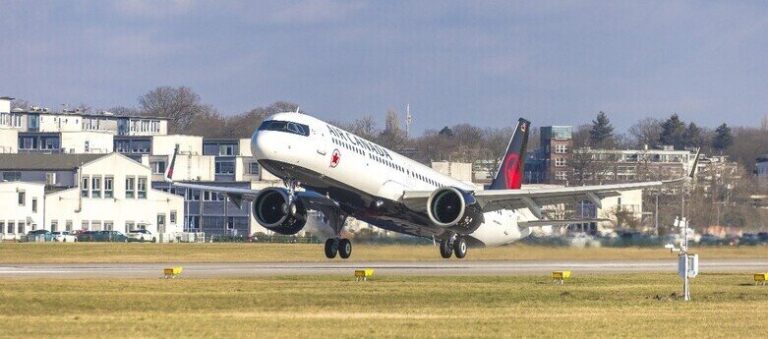
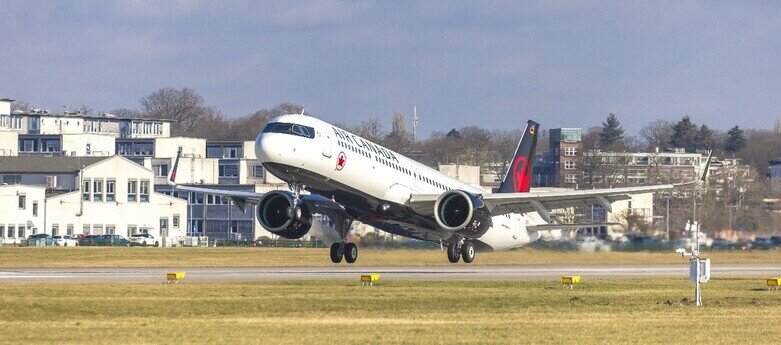
Air Canada has taken delivery of its first Airbus A321XLR, becoming the launch operator of the type in Canada. The aircraft, leased from SMBC Aviation Capital, marks an important step in the airline’s fleet renewal program, helping to bridge the gap between short-haul narrowbody and long-haul widebody operations. Air Canada currently operates 136 Airbus aircraft and has 61 more on order (including A350s).
First Airbus A321XLR for Air Canada taking off in Hamburg. Image: Airbus Operations GmbH 2026
The A321XLR – which is one of an ordered 30 in total for Air Canada (and 500 Airbus-secured orders for the variant) – will support Air Canada’s network expansion by enabling efficient long-haul services on both existing and new routes, particularly to secondary markets that benefit from direct connectivity. With a range of up to 4,700 nautical miles (“an unprecedented Xtra Long Range,” the release states), the aircraft allows non-stop transatlantic flights from hubs such as Montreal and Toronto to destinations including Berlin, Toulouse, and Edinburgh, which may open up interesting additional belly cargo capacities for the freight industry.
Air Canada’s A321XLR is powered by Pratt & Whitney GTF engines. These enable around 30% lower fuel burn per seat compared to previous-generation aircraft, alongside reduced emissions and noise. Like its predecessors, the aircraft is already capable of operating with up to 50% Sustainable Aviation Fuel, with Airbus targeting 100% SAF capability by 2030.