Home Blog Page 80

MEM to become Frederick W. Smith Int’l Airport

0

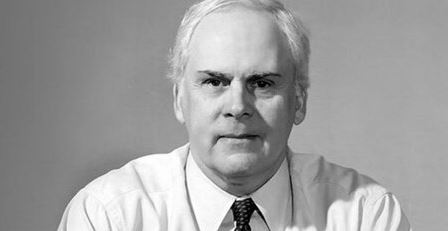
Following the passing of Fred Smith on 21JUN25, regional politicians in Memphis, Tennessee, USA, launched an initiative to rename Memphis International Airport (MEM) in his honor. The legendary business magnate, entrepreneur, investor, founder, president and CEO of integrator FedEx contributed significantly to the city’s success. The renaming of MEM, which is unanimously supported by the relevant Republican and Democratic committees, still needs to be approved by the Washington FAA.

Fred Smith – courtesy: FedEx 

Without Fred Smith, Memphis Airport would be one out of many in the USA, at best of regional importance in terms of passenger and cargo flights. But the city hit the jackpot when Fred Smith and his 1971-founded company, Federal Express, moved from Little Rock, Arkansas, to Memphis, Tennessee, to orchestrate night flights for parcel distribution across the States. The fleet at that time consisted of 14 P2F-converted Dassault Falcon jets propelled by Smith’s vision to transform the shipping industry. Today, FedEx is by far the largest employer in the city of 635,000 inhabitants on the lower reaches of the Mississippi River.

A logistics aficionado
Although the idea was brilliant, the beginning was tough. Exactly 186 packages were loaded on board the first flight in 1973. The revenue achieved did not even cover the flight fees and fuel costs. Only a short time later, the young company was on the verge of bankruptcy, but the revolutionary hub-and-spoke system Smith had introduced for the overnight transportation of urgent express shipments finally prevailed, changing the logistics world completely.

While as a student at Yale University, his auditor thought little of his business idea: “Your hub-and-spoke scheme sounds good in theory, but it won’t work in practice,” he warned, giving Smith’s thesis in economics a C grade, i.e. barely passed. Rarely has a university lecturer been so wrong in his judgment.

Internationalism vs isolationism
Meanwhile, FedEx transports more than 15 million shipments across the globe every single day. It covers the entire value chain from express to special products, e-commerce, live animals, aircraft components or pharmaceuticals. The international focus of his company also shaped his political stance. Even during Trump’s first presidency, Smith criticized his isolationist policy which was completely at odds with the idea of globally interconnected markets and therefore harmful to producers and consumers.

In his obituary, FedEx President & CEO Raj Subramaniam pointed to Smith’s vast horizons: “Frederick W. Smith pioneered express delivery and connected the world, shaping global commerce as we know it. His legacy of innovation, leadership, and philanthropy will continue to inspire future generations. I will miss not only his visionary leadership, but his trusted friendship and counsel.”

Until his passing, Smith was FedEx’s largest single shareholder with around 8% of the company’s shares. His son, Richard W. Smith, is CEO of the FedEx-owned airline.

Honorary engagements
Smith served on the boards of several large public companies — Malone and Hyde (AutoZone), First Tennessee, Holiday Inn, EW Scripps, and General Mills — and charitable organizations including St. Jude Children’s Research Hospital and the Mayo Foundation. He was chairman of the Board of Governors for the International Air Transport Association (IATA) and chaired the executive committee of the U.S. Air Transport Association.

Driven by competition
But one thing eluded him: it was his ambition to overtake U.S. archrival, UPS, in terms of volumes and sales. When it comes to publicity, however, FedEx won the contest. The breakthrough came with a movie. In Robert Zemeckis’ brilliant screenplay Cast Away, a FedEx freighter stranded near a Pacific island with actor Tom Hanks playing the role of a leading manager of the integrator. Despite the freighter crash, it was a hugely successful film for FedEx, giving the integrator’s brand an additional boost across the world. Ironically, the Memphis-based integrator was only director Zemeckis’ second choice, since he first intended to team up with UPS. But its management opted for a no-go, stating that “a UPS freighter never crashes.” Tragically, ten years after the premiere of Cast Away, on 03SEP10, a UPS B747-400F crashed near Dubai, one hour after takeoff. The cause was a fire ignited by lithium batteries on board the Boeing Jumbo. The two pilots did not survive.


CHI Cargo Group gains SF Airlines as customer

The expansion of Frankfurt-based cargo handling service provider, CHI Cargo Group, is gaining momentum. The company has just taken over the freight handling unit of Munich Airport, and has now announced that Chinese cargo airline, SF Airlines, has become its latest customer in FRA. The airline operated its first scheduled cargo flight with CHI at the beginning of July.

CHI welcomes the first B747-400F from SF Airlines upon its arrival at Rhine-Main Airport – picture: courtesy CHI Handling

Currently, SF conducts three roundtrips per week between Ezhou and Frankfurt, using B747-400F equipment which is mainly loaded with e-commerce shipments on the westbound leg, destined for European end customers. The fact that CHI was ahead of its cargo handling competitors in Frankfurt in securing the contract with SF Airlines, may be explained by this statement from CEO, Kai Domscheit: “The future of logistics isn’t just about moving cargo – it’s about redefining the velocity of air cargo airport dwell times. Together [with SF Airlines], we’re building an ecosystem where speed, reliability, and adaptability aren’t competitive edges – they’re the baseline. This is the new era of air cargo logistics, engineered for what’s next.”

Chinese customer portfolio
These ambitions, emphasized by CEO Domscheit, are in line with the business philosophy of the Chinese cargo carrier, as its Vice President, Peter Huang, confirms in a statement: “SF Airlines, part of the global SF Express logistics network known for its obsession with speed and service quality, is partnering with CHI to create a new model for punctuality and service guarantees in air freight – demonstrating how collaboration can redefine logistics efficiency.”

SF Airlines is CHI’s second Chinese customer, following Sichuan Airlines which the handling agent managed to contract last year. The Chengdu-based company operates four freight flights a week between its home airport and Frankfurt, with a stopover in Helsinki on the western route, using A330 cargo aircraft. “Thanks to SF Airlines and Sichuan Airlines, we are in the process of building up a Chinese customer portfolio,” says Dominik Misskampf, Managing Director of CHI Aviation Handling GmbH.

Direct deliveries
The executive went on to say that the agent’s customer-centric approach provides innovative solutions and sets benchmarks in air cargo handling. “For instance, our Direct Delivery service eliminates 24 hours in the lead time to our customers,” Misskampf states.

By acquiring a majority stake in handling units run by airports themselves for years (NUE, MUC), CHI has significantly expanded its operational network in airline handling across Germany. It offers its customers integrated, end-to-end e-commerce solutions that include customs clearance, cargo handling, and trucking.

Full-service provider
In doing so, the agent has widened its portfolio, becoming a full-service provider. Leading global e-commerce players – including TEMU – are already being managed by CHI across major logistics hubs such as Frankfurt, Leipzig, and Cologne airport.

When asked whether his company is interested in taking over the Cologne Bonn Cargo Center, which the current operator, DNATA, will vacate at the end of 2025, his answer is as follows: “In principle, we are always ready to talk when the market offers opportunities. We will keep expanding our handling network for airlines.”

Spotlight on… Penny Estrada, Global Partnerships & Strategic Development, ATN

0

Each week, CargoForwarder Global’s ‘Spotlight On…’ looks at a particular segment of the air cargo industry through the eyes of an individual working there. Freight forwarders play an indispensable role in this industry, acting as expert intermediaries between shippers and airlines (and other modes of transport) to ensure the efficient, cost-effective, and compliant movement of goods across the world. They need to be excellent problem-solvers, planners, and negotiators, among other things. Penny Estrada, Global Partnerships & Strategic Development at All Transport Network (ATN), shares her experiences, thoughts and insights.

Dancing with Deadlines – image: Katie Griley

CFG: What is your current function and company? And what are your responsibilities?

PE: I lead global partnerships and strategic development for my family’s group of logistics companies, anchored by our independent freight forwarding company All Transport Network (ATN). I focus on introducing the Philippine trade lane to markets, developing tailored solutions, and cross-industrial collaboration. 

CFG: What does a normal day look like for you?

PE: When I am not traveling: my days start slow and ‘to myself’ for the first 2 hours – doing some errands, writing, listening/reading the news, having coffee/breakfast. This is followed by 4-6 hours of work – with 1-2 hours of tennis late-afternoon and picking up with work late in the evening. Mondays are ideally meeting-free, for planning and urgent matters. Tuesdays, Thursdays are collaborative – 1:1 brainstorming, addressing concerns, meeting external contacts. Wednesdays, Fridays are kept flexible for casual but important catchups and consolidating outputs, updating projects and ideas from the week.

When I am traveling: there is no typical day as each trip or destination differs in functions. Meetings with casual or new contacts are kept at 15-30′ for which many can be packed in a day, whereas meetings with long-term partners can be stretched to 3-5 days, especially with those who have become friends and even family. For instance, I have a previous partner and now father figure in Italy whom I can hike over the weekend with when I visit.

CFG: How long have you been in the air cargo industry, and what brought you to it?

PE: ATN was founded in 1986, handling air freight since then as a Danzas partner. Growing up, my brother (who is our COO) and I joined our parents on business trips, and have thus been exposed to contacts in airlines and partner agents, as well as the jargon, since we were children. My interest in fortifying our air freight products started 8-9 years ago – sparked by the development of our art handling expertise, my exposure to friends who are master consolidators, and being steered into a community that sees value in high value cargo.

CFG: What do you enjoy most about your job?

PE: That it continues to spark curiosity and feed practical knowledge, allows one to gain a macro perspective of the world but requires attention to the smallest of details. Air freight is particularly fun because the pace is dynamic, and it follows or dictates trends.

CFG: What do you see as the greatest challenges in our industry?

PE: Keeping the human touch alive in a world with ageing experts and rising technology. Learning from and working with people (making mistakes thus new discoveries are part of it) are the parts that bring joy. I believe in finding joy in work and that working is necessary, so this to me is the greatest challenge though there are more practical hurdles.

CFG: What advice would you give to people looking to enter into the air cargo industry? Any particular training they should aim for?

PE: My advice would be to remain patient with learning the basic foundations – as it can be very simple, sometimes mundane and obvious, but all necessary to form creative solutions and have fun. It is almost like basic maths – starts off with simple ideas, after which the puzzles/problems become more complex.

CFG: If the air cargo industry were a film/book, what would its title be?

PE: I love music and was a dancer growing up – let me go with “Volare: Dancing with Deadlines”.

Thank you very much, Penny.

If you would like to share your personal air cargo story with our CargoForwarder Global readers, feel free to send your answers to the above questions to cargoforwarderglobal@kopfpilot.at We look forward to shining a spotlight on your job area, views, and experiences.

DHL Express builds new freight center near Cologne Airport

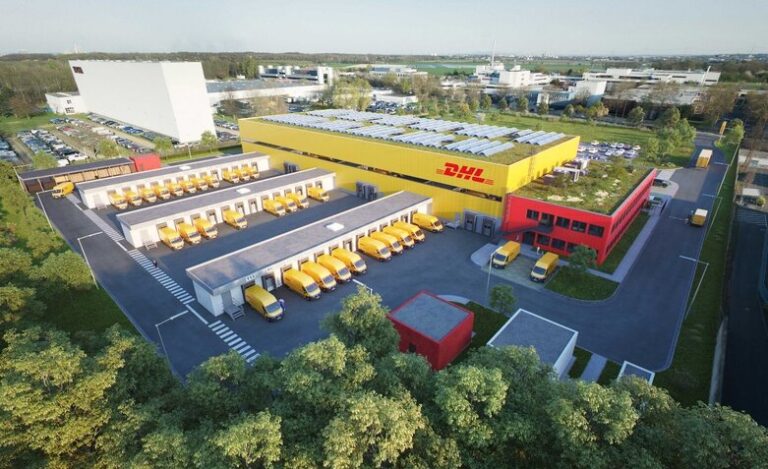
DHL Express intends to construct a new sorting facility and distribution center in Cologne-Marsdorf located ten kilometers off the airport. The future complex stretches over an area of 20,000 m2 and includes around 5,500 m2 of office space. To avoid misunderstandings, DHL Express is by no means closing its hub at CGN airport. Relocated will be its service center which is based in Escherstraße in Cologne, approximately 20 km outside CGN airport.

Artist’s impression of the new DHL complex in Cologne-Marsdorf  –  courtesy: DHL Express

The move is unavoidable because the existing Escherstraße facility is technically outdated and no longer meets todays requirements a company spokesperson says, explaining the impending move.

The good news for CGN management is that the step will not impact the integrator’s cargo flights to and from CGN. “Cologne/Bonn will remain connected to our DHL Express network,” a company spokesperson assures when asked. Currently, DHL Express operates seven of these air services with its own freighter aircraft while four are carried out by partner airlines. This applies from Monday to Thursday, while on Fridays there are fewer movements as the ground staff’s working hours end at midnight.

First class facility
The new complex is expected to cost EUR 40 million. In return, DHL will receive a premium facility for its sorting and distribution services, capable of handling 6,000 packages per hour, allowing for quick and efficient processing of all national and international DHL Express shipments. The new freight terminal will include three so-called PUD (Pick-up and Delivery) fingers with direct loading and unloading capabilities for 78 delivery vehicles simultaneously, as well as 12 loading and unloading gates at the freight terminal.

Setting high environmental standards
“We continue to invest consistently in our network in Germany,” explains Mustafa Tonguç, CEO of DHL Express Germany. In addition, the manager addresses the ecological dimension of the project: “With heat pump technology, photovoltaics, and green roofs, we are significantly improving the CO₂ balance for our new location in Cologne.”

The new building will significantly enhance the capacity of the existing facility at CGN airport. Thanks to operational innovations, “we will achieve shorter processing time windows and improved processes in shipment handling. Through these investments, we will better connect our customer companies in the region with our global network,” Tonguç enthuses. Thanks to the solar panels, the building’s technical systems can be powered with up to 350 kW peak. The adjoining administrative building will be covered by a green roof consisting of grass areas and perennials.

TAPA Class A certification
Approximately 250 employees from operations and field sales will benefit from ergonomic workplaces in the office and freight warehouse. The complex will have 50 employee parking spaces, of which 23 will be equipped with electric vehicle charging stations in the initial phase. “At the new PUD fingers and the sorting center, we have created the conditions to ensure that as many of the shuttle services to and from the airport will be operated by e-vans,” a DHL speaker tells CargoForwarder Global.

Most importantly: The new facility will meet the security requirements of the Transported Asset Protection Association (TAPA) and will receive the globally recognized TAPA Class A certification as the highest security level in air transport.

Trump’s tariff stampede backfires on U.S. aviation industry

The Trump administration’s zig-zagging tariff policy will most likely be the focus of future economics lectures at U.S. Universities, when it comes to looking at how reckless tariff decisions can cause lasting damage to one’s own industry – in particular when it comes to the aviation sector.

Trump’s signature on the decree to impose 30% tariffs on EU products from 01AUG25

As things stand, Trump’s threat to impose a 30% tariff threshold on EU products exported to the USA, and even 50% on imports from Brazil, come 01AUG25, resembles a trade embargo.

The losers in this tariffs spiral are manufacturers, consumers, traders and the transport industry. But hardest hit are U.S. manufacturer Boeing and its Brazilian peer, Embraer. This is because a large proportion of the components that the U.S. frame maker needs for assembling its B737 MAX or the B787, stem from European sources or are contributed by second or third tier partners from Japan, Korea or other manufacturers based in the Far East.

Ill-timed decision
Provided Trump’s tariffs come into force, the price of these supplies payable from Boeing’s coffers will make the frame maker’s jetliners significantly more expensive. Hence, demand will drop and sales figures will plummet.

For Boeing, Trump’s tariffs are an ill-timed decision. The manufacturer is currently recovering from its multiple crises and is on the upswing. This can be seen by the wide-body jet B777-X, which was due to be delivered to launch customer Lufthansa, in 2020, but the program was repeatedly delayed due to a series of technical setbacks. However, Boeing assured trade media that the aircraft is now on track. The same applies to the planned cargo version of the big jetliner.

Only losers, no winners
Airbus is likely to suffer less from Trump’s tariff policy because, unlike Boeing, the European manufacturer diversified the production of its aircraft by erecting final assembly lines in Canada (Mirabel, Quebec), China (Tianjin), and the USA (Mobile), complementing its main production sites in France (Toulouse) and Germany (Hamburg). If Trump does not withdraw his tariff threat against the EU, Brussels is likely to impose counter-tariffs on U.S. products, which would increase the price of aircraft turbines from Pratt + Whitney, CFM International, and General Electric, harming well-paid jobs in the USA.

There are still eleven days left to reach a trade agreement suiting both sides. But if Trump persists with his tariff stampede, there is a risk of serious rifts between Washington and Brussels, where there are only losers, not winners.

In comparison to Airbus, the outlook for Brazilian manufacturer, Embraer, is even gloomier as thanks to Trump’s tariff announcement, its aircraft, if ordered by U.S. airlines, will become 50% more expensive come AUG25. In this case, however, the reason is not economic but purely political. Embraer currently has around 200 orders placed by Skywest, American Airlines and Republic. In addition, the Brazilians have just entered into the production of freighters that fill a global gap in the medium production segment and can support integrators to provide feeder services on thin routes. This program is also on the brink if Trump does not back down from his tariffs.

Backing Brazil’s Messiah
By imposing these tariffs, the U.S. autocrat wants to support his brother in faith, Jair Messias Bolsonaro, putting pressure on the Brazilian judiciary to withdraw the accusation of a coup d’état orchestrated by former president Bolsonaro and some followers on 08JAN23. On his Truth Social platform, Trump addressed Bolsonaro last Thursday (17JUL25): “I have seen how terribly you are being treated by an unjust system that is directed against you. This process should end immediately!”

In the meantime, the Brazilian government has announced a tit-for-tat policy by imposing tariffs that match those set by Trump. Last week, the country’s Supreme Court ordered Bolsonaro to wear an electronic tag as he is a flight risk seeking asylum in the USA. His passport was already revoked on 08FEB24.

The tariffs Trump has imposed on Brazil, the EU, and others, will probably be on the curriculum of future students of economics and international politics at U.S. universities – as a prime example of erratic government policy.

Exclusive – ACCF scores a century with CHAMP

0

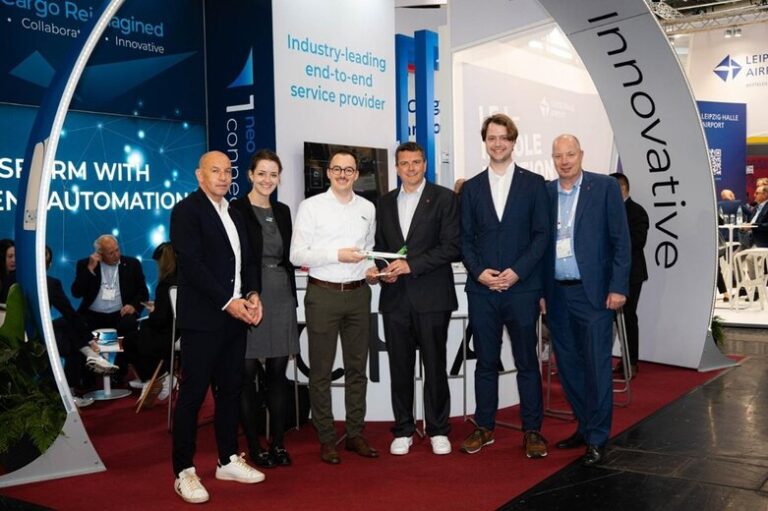
In just ten years, the Air Cargo Community Frankfurt e.V. (ACCF) has trebled its member numbers – even doubling it during the past three years – and it has now finally hit triple-figures with no less than leading end-to-end air cargo IT provider: CHAMP Cargosystems GmbH. Luxembourg-based CHAMP is an established industry name when it comes to integrated air cargo IT solutions and distribution services such as Cargospot and Traxon. It operates from six locations worldwide – one of which is Europe’s second-busiest cargo airport, Frankfurt.

From left: Dirk Thorwirth (CHAMP), Lea Walther (ACCF), Felix Toepsch (ACCF), Edward Dorr (CHAMP), Niclas Scheiber (CHAMP), Bart Jan Haasbeek (CHAMP)  – Image: ACCF/CHAMP

CHAMP is ACCF’s 100th member and a milestone achievement as Patrik Tschirch, Chairman of the Board of ACCF and Managing Director of LUG aircargo handling GmbH, confirms: “The 100th member marks a significant moment in our association’s history. It shows that our work is widely appreciated and that an increasing number of companies and professionals are keen to actively engage in the future of air freight in Frankfurt. With the inclusion of the 100th member, we are setting a strong signal and underscoring the dynamic and collaborative spirit at FRA.

Ed Dorr, VP eCargo Portfolio, GDS Community Integration Services at CHAMP Cargosystems GmbH, announces: “We are proud to be welcomed as the community’s 100th member company. At CHAMP, we are committed to actively engaging at this key location and contributing our extensive expertise to process and digitalization initiatives. Together with the community, we aim to sustainably shape the future of the air freight industry and drive innovations.”

A growing collaborative spirit
Felix Toepsch, Executive Director of ACCF, underlines: “The inclusion of new members is crucial for our work, as they add valuable expertise and new perspectives to the association. With CHAMP Cargosystems GmbH, we are welcoming a global player in the air freight industry and experts, particularly for our digitalization initiatives and process optimization.” With CHAMP on board, the ACCF now counts nine active IT providers among its members, operating in various product segments. All members join ACCF voluntarily and out of their own conviction and thus choose where, how, and how often they collaborate.

He points out: “As the air cargo and logistics industry is very diverse, our topics are equally broad. Typically, members participate in the offerings that are relevant to them, but not in all activities.” ACCF currently offers more than five competence teams, each with varying levels of activity, depending on the members’ input. In addition, there are opportunities to participate in projects or ad-hoc initiatives. At least four major events are organized each year, to provide a networking platform and encourage knowledge transfer. Recently, the ACCF held its first Pharma Day. Next on the agenda is the Air Cargo Conference in SEP25.

ACCF – bringing FRA together
ACCF, which celebrated its 10th anniversary last year, has reaped the fruits of its labor in recent years as industry stakeholders increasingly recognize its value as “a central player for exchange, collaboration, and advocacy in the air freight and logistics sector at Frankfurt Airport”. So, what are the rules and regulations of the community? CargoForwarder Global wanted to know. Toepsch details: “As an association, we actively promote the development of air cargo and logistics at the FRA location. It is important to note that we are not a service provider. Rather, we enable our members to collaborate neutrally, provide inputs, coordinate and organize, and offer troubleshooting. The actual expertise and needs come from our members. We aim to encourage our members, through their involvement in the association, to move from competition to cooperation. That means: If FRA were a cake, we would make the cake bigger for everyone. However, the pieces of the cake must be divided among the members in open competition.”

“To ensure this process is reliable and neutral, we have implemented a comprehensive compliance framework and guidelines. We continuously promote understanding of a shared vision and encourage our members to look beyond the boundaries of their own companies,” he concludes.

Why now, CHAMP?
CHAMP has been present in FRA since 1990 and the Air Cargo Community Frankfurt started out in 2014. Why did the IT provider wait until now to become a member?

Felix Teopsch suggests that the past few years have seen development, volatility and change – all of which speak for strength in numbers and the need for a well-functioning community: “From ACCF perspective: Air cargo has gained significant importance at the FRA location over the past 5 years. At the same time, we have made the association more professional and effective since 2023. Through visible initiatives and successful projects, the association has also become more prominent, which has led to substantial membership growth. An increase in members is a clear endorsement of our work and the resulting added value for our members.

In addition, our business environment is becoming increasingly complex, whether due to growing competition or geopolitical influences. Collaboration is more important today than ever before.”

CHAMP’s Spokesperson concurs and says the time is now right for it to step in. It feels that, by leveraging its global customer base, it can support FRA in seamless digital connectivity on an international level: “When the Air Cargo Community Frankfurt e.V. was first established, the focus of the initial community and members was on specific local actors and core functions of the airport. As a global IT provider serving multinational customers, CHAMP has followed the community’s developments with keen interest. Given the growing strategic importance of digital and cross-border processes in recent years, we believe CHAMP is now ideally positioned to contribute more actively and share our expertise with the community.”

What happens now?
CHAMP is committed to actively engaging in various working groups and discussions. A notable area of future focus is the subject of IATA’s ONE Record standards. Niclas Scheiber, who serves as the IATA Chair for the ONE Record Data Model Group, represents CHAMP in this initiative and is enthusiastic about contributing to the FRA Community’s progress in this domain,” CHAMP’s Spokesperson tells CargoForwarder Global.

Toepsch sees many opportunities for digital improvement: “The potential for digitalization in air cargo remains significant. For example, CHAMP can support us in the HubPerformance competency team and contribute its extensive process expertise to our operational excellence and standardization initiatives.”

One Big Beautiful Bill – really?

According to Brandon Fried, Executive Director of the Airforwarders Association: “The One Big Beautiful Bill Act is a landmark moment for the air cargo and logistics industry. This legislation delivers the modernization our industry has long needed from billions in Federal Aviation Administration funding to overhaul outdated radar, telecommunications, and air traffic control systems, to major investments in runway safety and airport surveillance. Just as importantly, it reflects our members’ successful advocacy, together with the National Customs Brokers & Forwarders Association of America, to address airport truck congestion, with the Government Accountability Office now conducting a crucial study to help clear landside bottlenecks. Significant changes to the De Minimis exception, due to come into effect in less than 30 days, alongside a surge in Customs and Border Protection funding, will reshape how we handle e-commerce and cross-border compliance. I will continue to engage and support our members through this period. While challenges lie ahead, this Bill is a clear win for forwarders, infrastructure, and the future of air cargo.”

How beautiful is it really? Image: Canva AI/CFG

There will certainly be challenges and there is already opposition. LCV announced: “It is the most anti-environment legislation ever passed and will have disastrous impacts for clean energy, electricity costs, the health of our communities and environment, and much more.” Canary Media stated: “The law takes a sledgehammer to key pieces of American industrial policy, threatening the development of clean energy — a vital 21st century technology.” By rolling back clean energy incentives and prioritizing fossil fuels, the bill undermines efforts to decarbonize air cargo operations, threatening the industry’s ability to meet future environmental standards and risking an increase in long-term operational costs as global markets move toward greener logistics solutions.

And the USD 12.5 billion investment in air traffic control is referred to as a “down payment”, by U.S. Secretary, Sean P. Duffy, who admits that “We will need more money, but this critical funding is a start to cover state-of-the-art radar, fiber optic lines, and new radios – key pieces of equipment that should have been integrated years ago. It’s not the all-new system President Trump wants, and America deserves, but it’s an important down payment to get the job finished.” What is not mentioned here is the rest of the air cargo/aviation infrastructure – much of which has also seen better days and was never intended to cope with today’s throughput. Poor infrastructure means longer wait times, inefficient cargo transfers, and increased operational costs. This can erode the competitive advantage of air cargo, forcing companies to hold more inventory or seek alternative, slower transport modes. Then there are the increased costs and regulatory uncertainty around e-commerce and cross-border businesses, as well as the likelihood of higher airfares resulting from increased airport leases that will impact travel and thus cargo, too. So, beautiful?

Thai Airways chooses Global Air Cargo Switzerland as GSSA

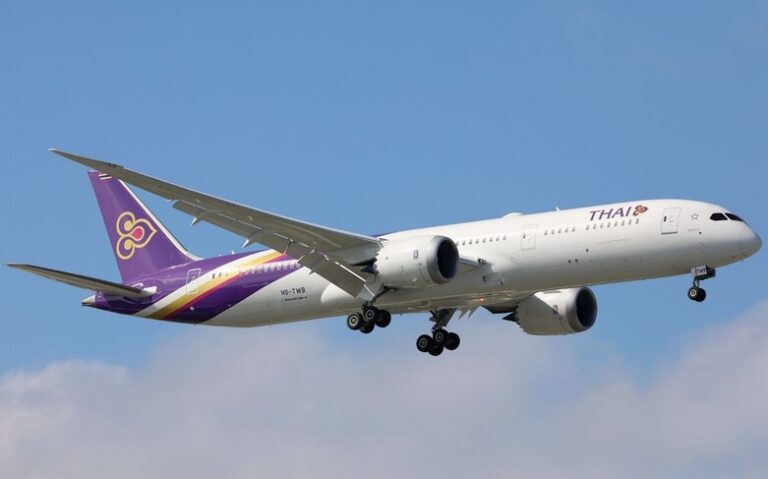
ECS Group subsidiary, Globe Air Cargo Switzerland, has been selected to represent Thai Airways as its GSSA in the alpine federal republic. The recently signed “landmark GSSA agreement” comes into effect on 01AUG25. For ECS Group, this latest achievement is another strong move forward in its expansion strategy – not only regarding Switzerland, but also across Europe. The Thai airline operates daily services to and from Zurich (ZRH), deploying Airbus A350s or Boeing 787s. For forwarders in Switzerland, the daily Bangkok connection opens up interesting opportunities for onforwarding to Thai Airways destinations across Asia and Australia. “The contract will focus on the shipment of high-value and strategic goods, including consolidated cargo, high-tech products, and pharmaceuticals.

Globe Air Cargo Switzerland represents Thai Airways. Image: Thai Airways

This agreement extends a longstanding collaboration between Thai Airways and ECS Group in several countries, and for the first time, brings Thai Airways’ cargo operations in Switzerland under the management of Globe Air Cargo Switzerland,” the release states.

Jean Ceccaldi, CEO of ECS Group, explained: “This partnership with Thai Airways in Switzerland perfectly illustrates our expansion strategy and the trust placed in us by leading global airlines. It is a major step that reflects our ongoing commitment to delivering tailor-made cargo solutions for every market. We are proud to open this new chapter with Thai Airways and to reinforce our leadership in the Swiss market.”

Air Premia signs interline agreement with Amazon Air Cargo

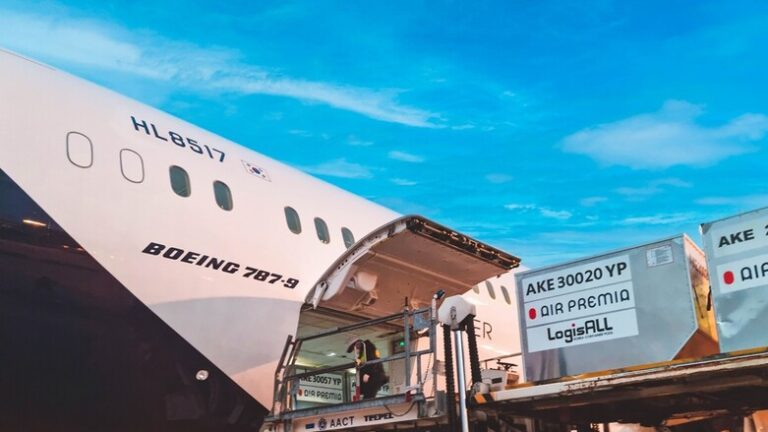
On 11JUL25, South Korean low-cost carrier, Air Premia announced the signing of an interline agreement with Amazon Air Cargo, marking a significant expansion of its cargo operations in the United States. The partnership will allow Air Premia to operate cargo flights on the Incheon–Honolulu route, with Amazon Air Cargo managing onward distribution from Honolulu to 45 cities across the U.S., including major destinations such as Atlanta, Orlando, Miami, Houston, and New York (JFK). The new service, branded as ‘Aloha Express’, officially began operations on 09JUL25. The agreement builds on Honolulu’s strategic position as a trans-Pacific logistics hub, enabling more efficient cargo transfers between Asia and the U.S. mainland. This transshipment model is expected to reduce delivery times and logistical costs by up to 20% compared to existing direct routes.

Interlining with Amazon Air Cargo since 09JUL25. Image: Air Premia

Air Premia utilizes its proprietary Valley Cargo service for the Incheon–Honolulu segment, while Amazon Air’s extensive domestic network handles final delivery throughout the U.S. This partnership expands Air Premia’s reach beyond its current U.S. bases in Los Angeles, Newark, and San Francisco, positioning the airline to serve a broader range of logistics needs, including global e-commerce, corporate freight, and third-country transshipments. The move represents a major step in Air Premia’s strategy to grow its presence in the American cargo market and strengthen its global logistics capabilities. “We aim to enhance our competitiveness in the global logistics market by leveraging the strengths of our U.S.-focused route network,” an Air Premia official stated.

Cargoland basks in success of Air Cargo Europe

Last month’s Air Cargo Europe in Munich marked a transformative moment for Liège Airport (LGG) as it unveiled its new identity and future vision under the name ‘Cargoland’. The event, held in early June, saw LGG host its largest and most dynamic booth to date, drawing significant attention and foot traffic throughout the four-day trade fair. The official launch of Cargoland was celebrated during a special reception, where CEO Laurent Jossart and Vice President Sales & Marketing Torsten Wefers presented the airport’s ambitious vision to a packed audience. Attendees were treated to exclusive Cargoland-branded beer, underscoring the festive and forward-looking spirit of the occasion.

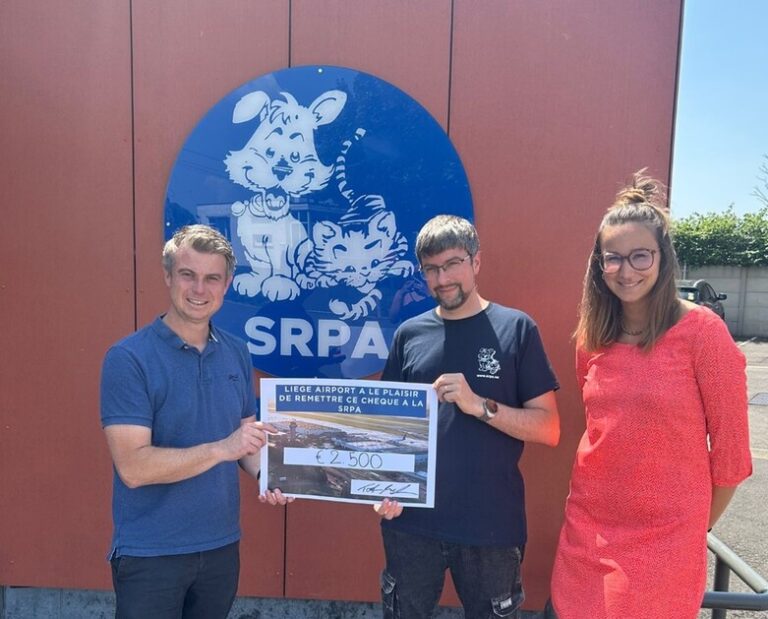
€2,500 were raised on behalf of Liège’s animal protection charity. Image: Cargoland

Cargoland’s booth, distinguished by its sleek white design, bold new logo, and inviting refreshments bar, also featured a “living wall” and a unique social responsibility initiative. For every photo taken at the stand, Cargoland donated €10 to Liège’s animal protection society, the SRPA, raising a total of €2,500 for charity.

Reflecting on the event’s impact, Frederic Brun, Head of Commercial Cargo & Logistics, remarked: “Because we had such a significant announcement to make at the Air Cargo Europe, it was the first time that we invested in such a large stand, and it more than paid off. We ARE Cargoland! The excellent feedback given to us and the interest shown by the many people visiting our stand, proved Cargoland’s attractiveness. We are no longer simply a regional airport – customers are naturally drawn to us, our service standards, and what we have to offer. This was my greatest takeaway from the event, and I am delighted to see our vision of Cargoland as one of the top three cargo airports in Europe, becoming reality – perhaps even sooner than we anticipate.”

Torsten Wefers, Vice President Sales & Marketing at LGG, agreed: “Air Cargo Europe exceeded our expectations in terms of business interest. Quite aside from the opportunity to meet with so many of our loyal business partners in person, it generated a good number of new commercial opportunities for Cargoland that we are now pursuing. And I believe we set a new record with over 100 meetings held in just four days – our colleagues were certainly busy discussing capacities, rates, lanes, the developments happening at our airport, and the many benefits that Cargoland has to offer, already today.”

Building on this momentum, Cargoland plans an active presence at upcoming industry events worldwide, continuing to promote its new brand and vision for the future of air cargo logistics.