Home Blog Page 18

PIK celebrates 25 million parcels in less than a year

0
The PIK team, EVRi, Royal Mail, and airlines celebrate the milestone. Image: Glasgow Prestwick Airport

18FEB26 was a double cause for celebration over at Glasgow’s Prestwick Airport (PIK). It invited representatives from its partner airlines, Royal Mail, and EVRi to mark Chinese New Year, which is now the Year of the Horse, and celebrate the impressive milestone of having handled over 25 million e-commerce parcels. And that in just 9 months. The first scheduled e-commerce flight to land at PIK, was back in MAY25. Since then, the airport has attracted more Chinese carriers, and its dedicated, 5,302 m² Terminal E facility has seen over 10,000 pallets pass through, carrying more than 23,000 tons of e-commerce shipments incoming from 600+ flights. As routes and volumes have grown, so have the number of employees. 250 new jobs were created during that time. The UK’s Royal Mail and EVRi have made PIK their e-commerce hubs, and Air China Cargo and China Southern Airlines have established their UK operating bases there. In total, 12 scheduled cargo services depart for China every week. “These new trade routes are expected to facilitate GBP 250 million of cross-border trade in 2026,” the release says.

Ian Forgie, Chief Executive Officer, Glasgow Prestwick Airport, commented: “The volume of parcels handled at Prestwick demonstrates the strength of demand for a reliable, uncongested gateway to the UK, and the expertise of our team in delivering at scale. By growing our route network, investing in our processing capability, and continuing to recruit locally, Prestwick is strengthening the reach of Scottish exporters and creating skilled jobs and real economic value for Ayrshire and the whole United Kingdom.”

Qatar Airways Cargo launches Ramp Digitalization Program

0
Now with digitalized, more efficient ground operations. Image: Qatar Airways Cargo

Qatar Airways Cargo has introduced a Ramp Digitalization Program in its quest for fully digital, transparent, and paperless ground handling operations. In digitalizing its processes on the ground, the carrier is aiming for increased safety, efficiency, innovation, and operational excellence across its global cargo network. Ramp Offload and Load Supervision (ROLS) forms the foundation of the software. ROLS is a state‑of‑the‑art system that enables digital loading operations, thus replacing time and resource-consuming manual, paper-based loading instructions. ROLS offers real-time data transmission to Load Control, and full reconciliation and verification of ULDs. Streamlining these processes results in greater precision, faster turnaround times, and less paperwork for ramp agents, and significantly improves overall flight handling performance.

Among the system’s main features are:

  • Digital replacement of paper load instruction reports
  • Real-time loading confirmations and immediate status updates to minimize delays
  • 100% verified ULD reconciliation through digital tracking
  • SLA monitoring for consistent operational safety and compliance
  • QR code scanning for speed and accuracy
  • Tail tipping prevention measures
  • Enhanced situational visibility on the ramp

ROLS is one milestone in the airline’s Digital Cargo Vision which also foresees QR-coded ULDs and aircraft position scanning through handheld devices, automated warehouses, paperless processes, and improved e‑Booking systems.

Mark Drusch, Chief Officer Cargo of Qatar Airways Cargo, said: “As the world’s leading air cargo carrier, we believe that digital transformation is not just a strategic priority – it is a core mindset guiding how we lead innovation in the cargo industry. The Ramp Digitalization Program is a key step in supporting Qatar Airways’ broader vision of digitizing every touchpoint of our operations and is a major step toward our vision of a fully connected, paperless cargo experience. Our goal is simple: we are committed to leveraging technology to enhance customer satisfaction, safety, and operational precision, delivering higher reliability, speed, and visibility, making every step of your cargo journey smoother, faster, and more secure.”

Unilode Appoints XPO Logistics as Global Forwarding Partner

0
Now in partnership with XPO Logistics. Image: Unilode

Unilode Aviation Solutions has chosen XPO Logistics as its worldwide logistics partner to oversee its global flows of equipment and spare parts destined for international airline networks. Under the agreement, XPO will coordinate the movement of Unilode’s short-lease ULD equipment, digital tracking devices, and critical components through its ‘Global Connect’ control tower network. The system enables real-time visibility, integrated planning and 24/7 coordination across multiple time zones, helping Unilode minimize inventory, optimize asset positioning and maintain uninterrupted airline supply. “This partnership marks a significant expansion for XPO Logistics into the global aviation and aerospace sector, positioning the company as Unilode’s lead logistics partner for time-critical and highly complex international operations,” the release states.

The logistics company will provide Unilode with critical path planning, IoT-enabled tracking, sustainable transport solutions, and dedicated forwarding expertise through its specialist aviation team. Both companies emphasize that the collaboration supports broader industry goals of resilience, efficiency, and decarbonization through data-driven logistics and end-to-end operational control.

Janis Balkens, Chief Operations Officer, stated: “Our partnership with XPO Logistics highlights the power of collaboration at scale. By combining Unilode’s expertise in ULD management with XPO’s global logistics expertise and operational excellence, we are streamlining operations worldwide while making measurable progress toward reducing COe emissions, supporting our carbon reduction ambitions, and adopting world-class technology to support our global network operations. XPO’s professionalism and consistency worldwide make them a trusted partner in delivering smarter, more efficient, and more sustainable solutions for our customers, suppliers, and partners.”

Christophe Verot, Senior Vice President, Forwarding – Europe, XPO Logistics, added: “We’re delighted to be partnering with Unilode to help streamline its services. Global Forwarding is a core pillar of our business and a space where we truly excel. Combining this with our proven expertise in reducing COe emissions, our proprietary technology that enhances visibility and efficiency across global operations, and Unilode’s shared ethos means this partnership has exceptional potential for continued growth.”

Global K9 urges TSA for clearer canine DGR screening rules

0
Roland Beason, Chief Operating Officer, Global K9. Image: Global K9

The recent Air Cargo Conference 2026, held in Orlando, Florida, on 15-17FEB26, and hosted by the Airforwarders Association, the Air and Expedited Motor Carriers Association, and Airports Council International – North America, included a panel on Dangerous Goods, which also look at regulatory issues around the screening of lithium batteries. Panelists were Sandy Gregory of Gregory Logistics, LLC, Jim Powell of Transportation Development Group, LLC, Jennifer Kirkland of AllTransPack, Inc, Christopher Garcia of the Federal Aviation Administration, and Global K9’s Chief Operating Officer, Roland Beason. He used the platform to urge the Transportation Security Administration (TSA) to clarify regulations around its Third-Party Canine-Cargo (3PK9-C) Program. The 3PK9-C program is part of TSA’s Certified Cargo Screening Programs (CCSP) and was initially developed to focus on the detection of explosives. Meanwhile, with the increase in lithium batteries and the risks they pose to air cargo, more dangerous goods need to fall under the 3PK9-C program, which itself requires greater detail and less room for confusion or misinterpretation. “The goal of these programs should be to harmonize screening operations across the board, making sure that every canine team for every screening provider is operating to the same standard,” he said, adding: “From a dangerous goods standpoint, the 3PK9-C Program is not clearly defined. As items, such as lithium batteries, continue to be prolific in air cargo shipments, it is only becoming more important that we have clearly defined, indisputable regulations tailored to specific items – it is paramount to ensuring compliance and safety. We are hopeful that later this year, changes to the 3PK9-C program will be confirmed in line with our recent edits and comments, of which the TSA has accepted the vast majority.”

Keeping the U.S. in blueberry pies

0
400 tons of blueberries were urgently needed in NY. Image: ACS

Or at least the raw materials for them. Air Charter Service handles all kinds of interesting shipments, including saving the day during an apparent blueberry drought. It was tasked with the urgent transportation of 400 tons of blueberries, last year, and arranged for them to be brought from Peru to New York. Ana Benavente, CEO of ACS São Paulo, commented: “Peru’s main blueberry harvest runs from August to November, peaking in September and October. The country is one of the world’s top blueberry exporters and, during these months, export volumes spike sharply — too much for regular passenger belly capacity to handle, especially on the Lima to New York route. Supermarkets and distributors in the U.S., especially on the East Coast, require fresh produce to be delivered within 24–36 hours of harvest. When a supplier’s yield exceeded the expected capacity during peak harvest season we were asked by one of our clients if we could arrange the urgent transportation of 440 tons of the fruit from Peru up to New York over a two-week period. Perishable cargo rarely flies on full charters, but the sheer volumes dictated that they were needed this year. We sourced four Boeing B747-400Fs, that were able to carry out the flights, each with 110 tons on board, with a few days in between each rotation. One of our team flew with the first aircraft to ensure everything ran smoothly, and he coordinated with the warehouse when the aircraft arrived, to ensure the cargo was properly broken down and successfully delivered to the trucks in as swift a time as possible.”

Global GSA Group and Alaska Airlines launch ROM-SEA connex

0
La dolce vita from APR26. Image: Alaska Airlines

Global GSA Group has partnered with Alaska Airlines as its General Sales & Service Agent (GSSA) to support the airline’s new direct flight connections from Rome-Fiumicino to Seattle, starting late April. Global GSA Group will be responsible for developing Alaska Airline’s freight operations from Italy, helping to strengthen its Seattle hub as an international gateway. Daily Boeing 787-9 services will provide Italian forwarders with connections to over 100 destinations in the U.S., Asia-Pacific, South Pacific, and Latin America, and will likely be loaded with commodities such as aircraft parts, high fashion, pharmaceuticals, food, and machine parts. As the fifth-largest U.S. carrier and 15th largest globally, Alaska Airlines views cargo as a crucial revenue stream amid its European expansion and Asian-focused growth.

Aytekin Saray, Chief Executive Officer of Global GSA Group, said: “At Global GSA Group, we enjoy a very close cooperation with our Italian forwarders and will ensure that we maximize the benefit of this new cargo connection both for the community and Alaska Airlines. Rome-Seattle is a particularly attractive routing as it offers an additional, direct service into the Pacific Northwest and beyond, for the great variety of high value, special goods that Italy exports and Global GSA Group are experts in dealing with. We are proud to call Alaska Airlines our newest partner and customer.” Ian Morgan, Alaska Airlines Vice President of Cargo, commented: “Alaska Airlines and Hawaiian Airlines are two carriers with tremendous histories – more than nine decades apiece – placing them at the forefront of commercial aviation. Now we’re creating a brand-new carrier with that legacy of almost 200 years of history. We are building the foundation for future growth, and our global expansion out of Seattle is leading the way. Our partnership with Global GSA Group allows us to establish exciting new shipping connections between Rome and Seattle – and up and down the West Coast, where we serve more destinations than any other carrier. We have such a unique destination mix, which includes Alaska and Hawaii, of course, but also the 115+ destinations we serve around the world. With Global GSA Group, we are uniquely positioned to be an important new partner for the forwarding community.”

CargoLand by LGG blossoms during Valentine’s Day

0
Image provided by Cargoland / Liège Airport

For sure, it’s not the only airport to handle flowers during the Valentine’s Day season, however, given CargoLand by LGG’s geographical location and its total cargo focus (including all the mod-cons needed for temperature-controlled, commodity-specific handling), it offers a bouquet of interesting statistics around this emotion-heavy commodity. For example: “Valentine’s Day represents one of the most demanding logistics peaks of the year for the global flower industry,” the release states – one that CargoLand by LGG is well-prepared for. “Each year, hundreds of tons of fresh flowers arrive within a matter of days, requiring flawless coordination, strict temperature control and absolute reliability. At this scale, speed, temperature control and coordination make all the difference. Built around a cargo-first, 24/7 operational model, CargoLand by LGG has established itself as a leading European gateway for time-critical perishables, with flowers accounting for nearly 20% of total annual cargo volumes. This year, 13,850 tons of flowers were handled during the four-week Valentine’s campaign, supported by 45 additional charter flights on top of regular scheduled operations, demonstrating the platform’s scalability during extreme peaks.”

Preparation is crucial, and that begins far ahead of the actual event, with all cargo community players (ground handlers, freight forwarders, trucking companies, airlines and public authorities) coming together to plan resources and procedures – particularly with regard to any new regulatory requirements supported by the AFSCA-FAVV (Belgian Federal Agency for the Safety of the Food Chain). The optimum mix of people and real-time digital communication is what ensures smooth processes in the end, and the safe and swift transfer of millions of flowers coming in from Kenya, Ecuador, Colombia, Ethiopia, and other Latin American gateways such as Quito and Bogota. Frédéric Brun, Head of Commercial Cargo & Logistics at CargoLand by LGG explained: “Flowers are far more than a commodity; they carry value, emotion and trust. Every shipment deserves absolute care. We thank AFSCA-FAVV and the customs authorities for their unwavering 24/7 support during this peak. Through anticipation, close cooperation and robust cold-chain and digital processes, we ensure speed, reliability and peace of mind for growers, exporters and buyers worldwide on Valentine’s Day and beyond.”

Strawberry agreement saves strawberries

0

Alain Tulpin leads an enviable life, one might think. He works for six months, then spends the other half of the year basking in the Spanish sun or tending to his newly-acquired farm in Flanders. Sounds like a healthy work-life balance. At least at first glance. But the reality is a little more complex, as he explained in an interview with CargoForwarder Global at the recent Fruit Logistica trade fair in Berlin.

Hard work, not laziness, is his credo. It took him years to become one of Europe’s largest strawberry importers. Though, on his way up, it certainly helped that his family has been in the fruit business since 1912. Today, the Tulpin Group operates 45 refrigerated trailers, but rents additional ones if needed. This season, 30 more were needed.

Alain Tulpin pictured at the Fruit Logistica in Berlin. He heads the Tulpin Group, founded in 1975 – photo: CFG/hs

Widespread network
Nowadays, the strawberry specialist operates branches at the airports of Ostend, Brussels, and Liège. Tulpin is also present at eleven other European airports (through local representatives), including Frankfurt, Luxembourg, Paris-CDG, and Amsterdam. In addition to strawberries, the range of imports includes flowers, plants, asparagus, fish, and meat stemming from Colombia or Honduras.
November to March is traditionally strawberry peak season. This delicious fruit accounts for 80% of the Group’s total turnover. As soon as the season is over in late winter or early European spring, and the last shipment has been delivered to the consignees, preparations begin for the new harvest in November. Capacity agreements with airlines must be negotiated early on, and charter contracts agreed upon. In some cases, the Tulpin Group also rents the cargo holds of passenger aircraft to transport its own shipments when demand exceeds available capacity.

Fruitful year
Tulpin says that the ‘25/’26 strawberry season was particularly successful. His group imported 20,000 tons – most of them from Egypt. (An increase on the previous year’s 15,000 tons). The majority was flown in via Ostend Airport in Belgium, with other shipments also arriving via Hahn Airport (HHN) or Maastricht (MST). Tulpin’s key contractual carrier is Egyptair Cargo, which flew to Ostend several times a day during the peak season, operating widebody A330F complemented by smaller A321P2F aircraft. Due to Egyptair Cargo’s e-commerce commitments, Cairo-based AirMaster jumped in and secured the air transport of strawberries to European destinations, from the end of November until Christmas. Royal Jordanian flights completed the supplies.

Strawberry accord
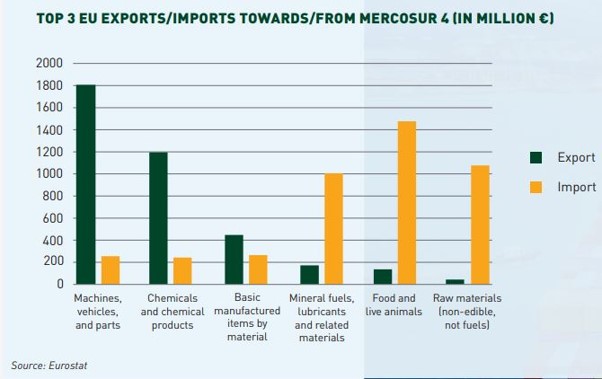
However, in mid-January, Ostend suddenly became a bottleneck for the strawberry flows. Local farmers blocked the airport in protest of the Mercosur agreement between the EU and four Latin American countries. This meant that strawberry-loaded trucks bound for the UK were temporarily unable to leave Ostend and travel via the Channel Tunnel to deliver the goods to wholesalers in or around London. As this fresh produce is very temperature-sensitive and therefore a perishable commodity, the strawberries were at risk of spoiling if the blockade at the airport continued for a longer time. However, a ‘strawberry agreement’ negotiated by Ostend’s Mayor, John Crombez, and representatives of the local farming community, saved them from this fate. After lengthy consultations, Tulpin’s trucks were finaly allowed to pass the blockade.
In an average season, Tulpin operates between 15 and 18 trucks a day, loaded with strawberries, from continental Europe to the UK.

Armyworm endangers crops
Danger always lurks on the horizon, as the armyworm has taken root in North Africa. The pest originates from the USA, but has made its way across the Atlantic and is spreading rapidly. In addition to corn and wheat, it also infests strawberry plantations, causing considerable damage. It is therefore important to permanently monitor the fields in order to detect the worm at an early stage. Plant protection agencies in Belgium, Germany, and the Netherlands are meanwhile on alert to stop the further advance of the invasive pest. “During inspections of our imports, professionals detected only a single armyworm in a strawberry shipment we imported,” Alain sums up. He hopes it stays that way.

DHL launches dedicated LSH freighter

0

The integrator branded a Boeing 777 freighter to function as a flying ambassador of its focus on Life Science and Healthcare Logistics (LSH). The move is part of DHL’s cold chain network expansion, designed to reshape the supply of temperature-sensitive medicines, vaccines, pharmaceutical products and cell & gene therapies.

The B777 freighter sports DHL livery but belongs to Michigan-based Kalitta Air. Last week, it began operating flights between the pharma hotspots Brussels (BRU) and Cincinnati (CVG), with additional routes in Europe, the Middle East, Asia, and Latin America to follow soon. The BRU-CVG corridor links the U.S. Midwest, home to leading pharma companies, directly with one of Europe’s most advanced life sciences ecosystems in Belgium. By avoiding coastal congestion, the lane provides a seamless, temperature-controlled pathway for high-value biologics and time-critical cell and gene therapies. At the Brussels end, the route is supported by BRUcargo’s 45,000 m² of pharma-only zones, delivering clinical-grade integrity end to end. Together, this infrastructure establishes a resilient connection between two of the world’s most important healthcare markets, emphasizes DHL in a release.

The DHL branded freighter belongs to Kalitta Air’s fleet.  Courtesy of DHL

No sub-fleet for cool products
Depending on network requirements, the aircraft will also be deployed on other global routes in line with DHL’s expansion of its logistics capacities in the life sciences and healthcare sectors.
A spokesperson confirmed to CargoForwarder Global that there are no plans to establish a separate sub-fleet for cool products. Instead, DHL is improving uplift flexibility across the entire network by optimizing routes and prioritizing capacity on high-demand lanes to better support the transport of temperature-critical life sciences and healthcare items. He added that the aircraft does not only transport these kinds of sensitive products but also carries other express and general cargo shipments as part of the larger DHL network.

30+ GDP-compliant hubs
Countries prioritized for further expansion of the Airfreight Cold Chain Network include India, Brazil, Singapore, Germany, Japan, South Korea, the United States, and Ireland. These routes are designed to meet strict regulatory requirements and maintain product quality throughout the entire supply chain. Once established, the expanded network will include more than 30 GDP-compliant aviation hubs and gateways. It will support DHL’s mission to strengthen global health logistics and meet rising demand for fast, reliable, temperature-controlled transport of pharmaceutical products and medical supplies. Patient safety remains central to the service, stresses DHL. Combined with significant investments in temperature-controlled ground infrastructure, the network reduces reliance on heavy, costly packaging and refrigerated air freight containers, offering an economical service focused on quality and minimizing temperature excursions.

Spotlight on… Eugenio Donati, Co-Founder, AeroVect

0

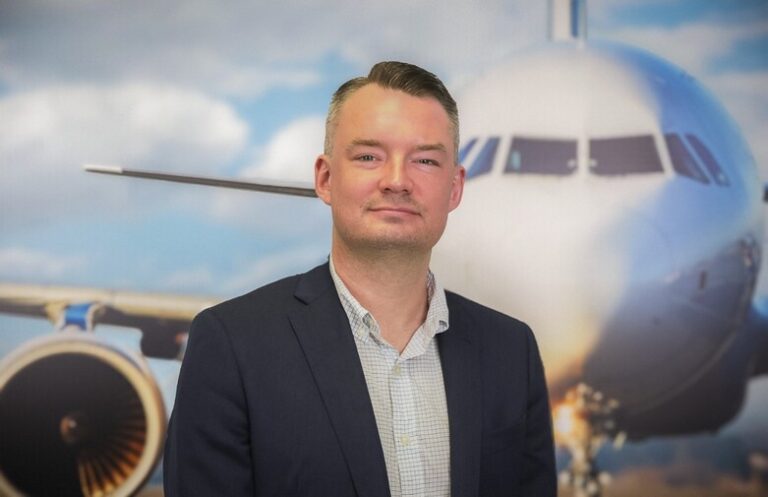
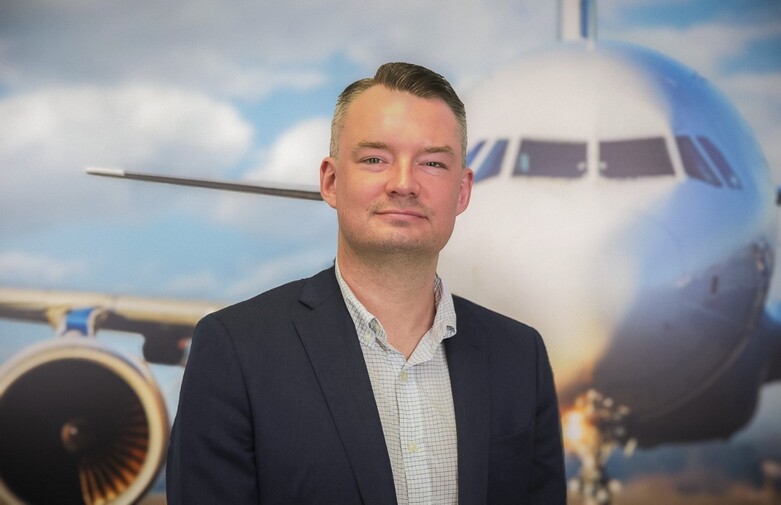
Every Sunday evening, CargoForwarder Global publishes a ‘Spotlight On…’ a particular contributor to air cargo, to illustrate the many different careers and roles this industry offers. Alongside traditional stakeholder posts at airlines, airports, freight forwarders, handling agents, ground service providers and the like, is a growing number of aviation technology startups designing solutions to bring about a cleaner, more efficient sector. Aerovect is one such company. It develops autonomous driving systems for airport ground support equipment and is focused on automating ramp and cargo operations for airlines and ground handlers. This week, its Co-Founder, Eugenio Donati (ED) takes the spotlight to talk about his role and share his views and experiences of the air cargo industry.

Don’t hesitate! Reach out and show up. Image: Eugenio Donati

CFG: What is your current function and company? And what are your responsibilities?
ED: I’m the Co-Founder of AeroVect, a company that develops and deploys autonomous ground support equipment (GSE) solutions for airlines and airports. Together with my co-founder, Raymond, I’m responsible for setting the company’s vision, leading our global go-to-market efforts with airlines and airports to deploy our solutions at scale, building our team, and managing our operations.

CFG: What does a normal day look like for you?
ED: There really isn’t such a thing! Some days I spend most of my time working directly with our customers on current or upcoming deployments. Other days are focused on meeting with our team and prospective hires we want to bring on board. I travel quite a lot (100+ flights in 2025!), as spending time in person with our customers and being boots on the ground in the operations where we’re deployed is something I consider exceptionally important.

CFG: How long have you been in the air cargo industry, and what brought you to it?
ED: We started AeroVect about five and a half years ago, right after graduating from college. Two things drew us in. First, a genuine passion for aviation, airlines, and airports – it’s an incredibly dynamic and exciting industry. Second, we saw an opportunity to have meaningful impact. Especially post-COVID, airlines faced growing demand alongside significant workforce constraints. We wanted to build solutions that could help the industry unlock its next phase of growth by empowering teams on the ground to do more with the resources they have.

CFG: What do you enjoy most about your job?
ED: Two things stand out. First, the people I get to work with – both our customers, many of whom bring years or decades of aviation experience, and our own team, whose energy and passion for what we’re building is truly the biggest highlight of this journey. Second, the reward of seeing our technology deployed in live operations with some of the world’s largest airlines and airports. There’s nothing quite like watching something you’ve built make a real difference at scale.

CFG: Where do you see the greatest challenges in our industry?
ED: I’d highlight two. The first is the lack of cohesive, harmonized policy and regulation around automation across geographies. Some regions are meaningfully more advanced and flexible in setting frameworks that allow airlines and airports to benefit from new technology, and I think there’s a real opportunity for the industry to work toward greater alignment globally. The second is that demand for aviation – whether commercial or cargo – has outpaced the industry’s labor supply. There simply aren’t enough people to meet the growing needs, and even with automation, attracting and retaining talent remains a meaningful challenge for the industry.

CFG: What advice would you give to people looking to get into the air cargo industry?
ED: I’d say the industry is so much more welcoming than you might think. When we started AeroVect, I was 22 years old. I didn’t have previous experience in air cargo or aviation, and I didn’t have any real connections to this space. And yet the industry welcomed me with open arms – that warmth and generosity truly motivated me to keep building in this space. So, my advice would be: don’t hesitate. Reach out, show up, and you’ll find a community that’s genuinely excited to bring in new perspectives and new energy.

CFG: If the air cargo industry were a film/book, what would its title be?
ED: ‘Everything Flies’ – because the sheer breadth of what air cargo moves around the world is extraordinary.

Many thanks, Eugenio!


If you would like to share your personal air cargo story with our CargoForwarder Global readers, feel free to send your answers to the above questions to cargoforwarderglobal@kopfpilot.at We look forward to shining a spotlight on your job area, views, and experiences.