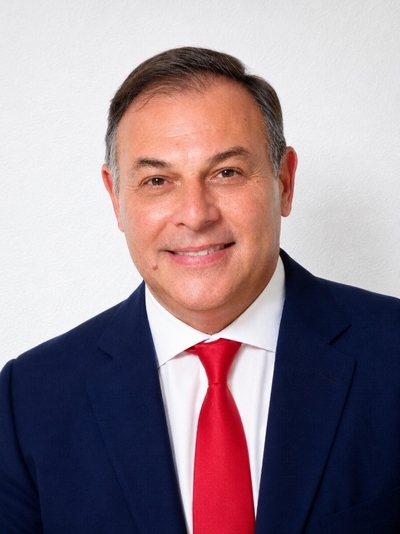
Gianluca Marcangelo is Awery’s EVP Global Sales since 01SEP26. Image: Awery
New month, new management – at least in the field of Global Sales over at Awery. The aviation software specialist is expanding and has called in Gianluca Marcangelo as its Executive Vice President of Global Sales, effective since 01SEP26. It will be his job to “drive global commercial growth and support customers through the next phase of digital transformation”, the release emphasizes. With a quarter of a century’s worth of air cargo experience, Marcangelo is a familiar face in the industry and offers a wide range of skills across sales, marketing, operations, digital innovation, and aviation software. His career background includes senior positions with airlines, cargo operators, and aviation technology. He joins Awery over from CHAMP where he was VP Neo Program Engagement. Prior to that, he spent almost 5 years with Challenge Group and 6 years with Oman Air, responsible for digital innovation, customer services, industry relations, among other things.
Marcangelo commented: “Air cargo is at a pivotal point in its digital transformation, as AI, greater connectivity, and standards such as IATA ONE Record change how companies operate and do business. Awery has the agility, technology, and industry expertise to turn that transformation into practical commercial and operational benefits for its customers. I am working closely with customers and industry stakeholders to understand where technology can make the greatest difference, while expanding Awery’s global reach and supporting its next phase of growth.”
Tristan Koch, Chief Commercial Officer, Awery, underlined: “Gianluca understands both the operational realities of air cargo and how technology can help businesses become more efficient and commercially successful. As Awery continues to grow globally, his commercial experience and industry knowledge will be instrumental in bringing our technology to more customers and strengthening the partnerships we have already built.”
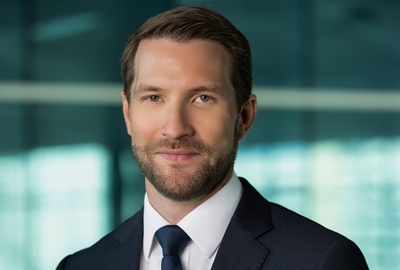
Menzie’s new SVP Commercial for Oceania & Southeast Asia. Image: Emma Deane
Menzies Aviation published the appointment of Emma Deane as Senior Vice President Commercial for Oceania & Southeast Asia (OSEA) on 03SEP26, with immediate effect. The Australian law graduate with a Master of Aviation, came over to Menzies from SATS Ltd, where she held the position of Vice President Strategic Business Development & Transaction Management. Prior to that, she spent several years in the UAE, latterly as Regional Vice President AMEA for WFS after 10 years in senior positions for dnata, including that of Chief Operating Officer. Overall, Emma draws on more than 20 years of broad experience in aviation including commercial leadership, business development, key account management, contracting, corporate governance and operations. Her prime responsibilities at Menzies will be focused on the commercial strategy for OSEA, developing the region’s business, customer network, portfolio, and footprint.
Darren Masters, Executive Vice President OSEA, Menzies Aviation, explained: “Emma is a highly respected commercial leader with deep experience across aviation services and a strong track record of driving growth and building lasting customer partnerships. As we continue to grow across Oceania and Southeast Asia, Emma’s expertise will help deepen customer partnerships and support the next phase of our growth. We’re delighted to welcome her to Menzies.” Emma Deane stated: “Menzies Aviation has built a strong reputation as a trusted partner and I’m excited to join the business. I look forward to working with colleagues across the region to support our customers, strengthen partnerships and help deliver on the company’s ambitious growth plans.”
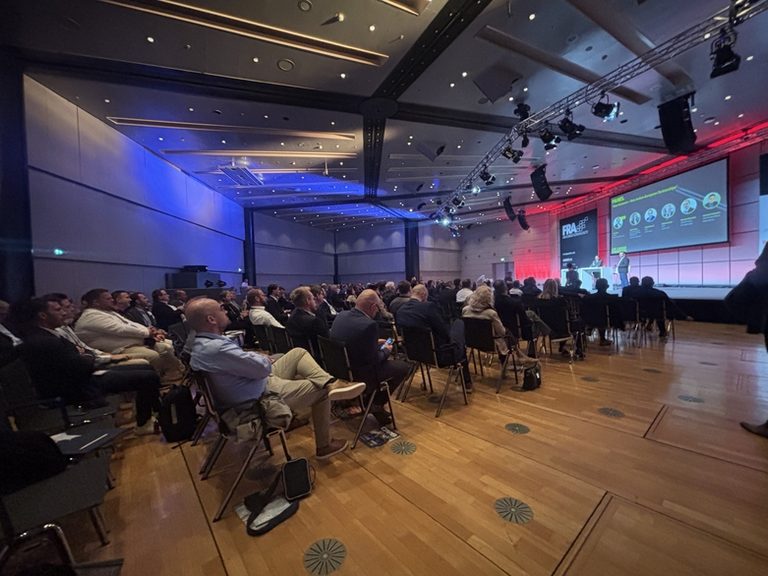
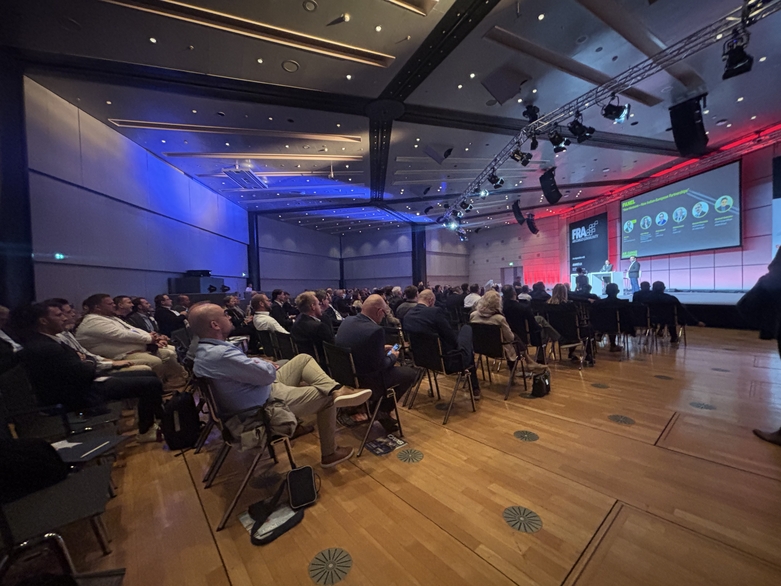
This year’s ACCF, which took place on 02-03SEP26 at the Frankfurt Exhibition Center, was attended by approximately 400 representatives from the air cargo industry. It was the 11th meeting of its kind, making it a networking event and a must-attend for the cargo industry. During the event, CargoForwarder Global asked experts how they assess the significance of the ACCF and what importance they attach to networking, international participation, and the diversity of topics. Here are some statements from participants.
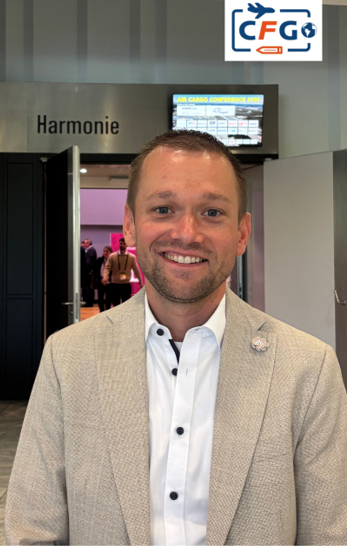
Thomas Schürmann, CEO FCS – pictures: CFG/ak
Thomas Schürmann (TS):
CFG: Thomas, why are you attending the ACCF?
TS: My main motivation for being here is networking, engaging in personal exchanges with industry colleagues, and gaining up-to-date insights into the market. This kind of direct exchange has always been important in the air cargo industry – and events like the ACCF are the best place to experience it.
CFG: If you compare the ACCF to Air Cargo Europe, which event is more important for the air freight industry and why?
TS: Air Cargo Europe is THE global air cargo trade show. It’s where the industry’s who’s who gather every two years in Munich. However, in recent times, the ACCF organizers have managed to attract an increasingly international audience, which is great to see. At the local level, especially in Frankfurt, this trade show has become a very important event.
Photo: courtesy of ACCF
Wolfgang Haibach (WH):
CFG: Is the annual ACCF Trade Show already a must-attend for the cargo industry, or is it just ‘nice-to-have’?
WH: In comparison, Air Cargo Europe has a much more international focus than Frankfurt’s ACCF. However, for the air cargo actors that are based in Frankfurt, where they conduct their main business, this event is of major importance. As a German company, it is important to us to support Frankfurt’s Air Cargo Community and its events. That’s why we decided to run a booth at the trade show.
Maurice Teltscher, CEO & Founder INVENTRY GmbH – picture: ACCF
Maurice Teltscher (MT):
CFG: There are more and more events like the ACCF. Isn’t the number of such events starting to get out of hand?
MT: For me personally, networking is one of the most important parts of the conference. The entire Frankfurt cargo community gathers in one place once a year – it’s rare to meet industry experts in such high numbers and of such high caliber anywhere else. There were plenty of networking opportunities on both days.
Rachid Touzani (left) / Hendrik Bender, HAUS61 – Courtesy of LinkedIn
Rachid Touzani (RT) / Hendrik Bender (HB):
CFG:Has the ACCF become a must-attend event for the air freight industry, or does it remain primarily a strong regional networking platform?
RT / HB: There are indeed many air freight events these days, yet there is still a need for them. Why should we fly all over the world to meet, if we can also meet at Frankfurt Airport at this or another event? We plan our HAUS61* events only twice a year, which is perfectly sufficient. What I generally find lacking are other logistics topics. One example: inland waterway transport. What impact did the low water levels in German rivers have on our business and the economy? At our recent CEO breakfast, the exact topics came up that we’re used to seeing at other logistics events – with one exception. A top manager from Germany spoke about leadership and talent management and had the full attention of everyone in the room. Speakers from other fields are incredibly valuable for bringing a little more diversity to the topics covered at such events.
*HAUS61 is a logistics LAB near Frankfurt Airport that connects startups worldwide with established logistics companies through a 12-month mentoring scholarship.
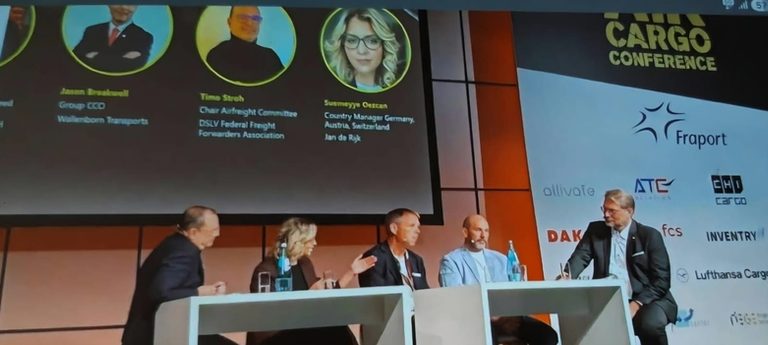
At the panel that put the Road Feeder Services (RFS) in air cargo under its microscope, executives from airline, association, and trucking company backgrounds painted a very diverse picture: driver shortages, overstretched infrastructure, and political inertia are threatening the ground transport network that moves roughly one third of all air cargo shipments. But electric vehicles are on the rise, as orders from DHL, Sovereign Speed, the Andreas Schmidt Group and other forwarding agents show. This trend is likely to shift the image of the industry toward clean and climate-friendly RFS.
The panel agreed that without a functioning RFS network, air freight would come to a standstill – photo: CFG/iz
The Panel
Hendrik Bender, Chief Commercial Officer, Sovereign Speed GmbH
Jason Breakwell, Group Chief Commercial Officer, Wallenborn Transport S.A.
Timo Stroh, Chairman Airfreight Committee of the German Freight Forwarding and Logistics Association (DSLV)
Sümeyye Özcan-Lübbers, Country Manager for Germany, Austria, and Switzerland, Jan de Rijk Logistics
Joachim von Winning, Fraport AG, Director Cargo Partnership, Moderator
The panel’s outcome in a nutshell: without a reliable, end-to-end RFS network, the air cargo supply chain simply does not function.
Driver shortage: The core challenge Asked about the industry’s biggest current challenges, panelists pointed unanimously to the driver shortage. Özcan-Lübbers highlighted strict regulations for non-EU drivers, whose qualifications are frequently not recognized, compounding the problem. There is also an image issue at play: while piloting an aircraft is seen as glamorous, driving a truck is not – making the profession harder to sell to new talent. The numbers underline the urgency. The industry faces between 300,000 and 400,000 unfilled driving positions over the next five years, even as 20% of the current driver workforce heads into retirement. At the same time, expected growth in air cargo volumes is projected to drive a 34% increase in demand for truck transport by 2040 – a challenge compounded by additional risks such as low water levels on rivers, which can disrupt alternative transport routes. These risks will surely not diminish in future, speakers agreed. Panelists also sharply criticized policymakers for not taking action but shifting the issue onto the trucking companies’ shoulders instead. However, one ray of hope is the EU initiative to establish parking spaces at 50-kilometer intervals along major European trucking routes within the next ten years, enabling drivers to rest. Yet, since driver shortage is not a German problem alone, the panelists urged European policymakers to push this issue harder in Strasbourg and Brussels. Due to the driver shortage, their salaries have lately grown by double digits, a trend the market will need to accept. The panelists regretted that the demanding working conditions and the truck drivers’ daily commitment to maintaining supply chains, are still significantly underappreciatedby the broad public.
Infrastructure: Growth outpacing capacity Sovereign manager, Bender turned the attendees’ attention to what he called an “underestimated issue”: the infrastructure itself. Investment in new terminals, warehouses, and parking capacity is taking place, but faces significant headwinds – including weekend and night driving bans and long-running road construction processes that cannot keep pace with planned growth. As an example, he cited Frankfurt Airport’s plan to increase cargo volumes from currently 2 to 3 million tons, without a corresponding expansion of the infrastructure outside the fence, needed to support it. A possible solution would be to move registration and documentation processes outside the airport fence entirely, so that trucks only enter the airport once assigned a valid delivery slot to the warehouse. Truck parking could similarly be relocated off-site – though parking capacity itself is not the core issue; the real bottleneck is loading and unloading times for time-critical goods. At warehouses, the infrastructure is improving, however limited workforce at the facilities are a hindrance, although slot management at FRA already outperforms other airports, as data evidences.
Electrification and Autonomous Driving The conversation also turned to technology. Semi-autonomous driving is already a reality on the road today, and the panelists expect artificial intelligence to increasingly optimize load planning, reduce empty legs, and multiply overall efficiency – though adoption in Germany lags behind markets like Sweden. Progress on electrification has been rapid. Five years ago, electric trucks had a range of just 100 to 150 kilometers per charge; today that figure stands at around 450 kilometers, with vehicles offering up to 700 kilometers already on the market. This is fundamentally reshaping route planning, which increasingly needs to be built around truck battery levels and charging infrastructure rather than the most efficient route alone. Pricing for electric trucks is converging with diesel, though Chinese manufacturers pose significant competitive pressure thanks to lower production costs and longer ranges – up to 1,000 kilometers. Reduced toll rates for electric trucks, combined with rising CO2 levies on diesel, should considerably accelerate the break-even point for electric fleets; and charging infrastructure is now a mandatory consideration when planning new warehouse builds.
Security: Organized Crime on the Rise The panelists flagged security as another growing concern. A shortage of secure parking spaces along motorways and interstates encourages theft, particularly around the Christmas/New Year period. Simultaneously, crime targeting the trucking sector is becoming increasingly organized – starting with small-scale pilferage and escalating from there by organized crime groups – with documented losses from cargo theft already running into the millions. The proposed remedy: expanding secure parking capacity and rolling out awareness training for drivers and staff. Beside a shortage of secure, guarded parking spaces, there is also a lack of proper sanitary facilities for drivers.
Conclusion: “Together we are stronger” In the closing round, the panelists agreed that the industry needs most urgently are filled driver seats and clean, secure parking infrastructure. As a structural response, they announced that plans for a European industry association dedicated to RFS issues, are already well advanced – modelled on practical improvements pushed forward at Rhine-Main Airport by the Air Cargo Community Frankfurt. The new body is expected to be officially unveiled by the end of this month, with a mandate covering safety, security, sustainability, and infrastructure within and outside the airport fences. “We need to speak with one voice,” Moderator Joachim von Winning concluded: “Truckers, handling agents, airports, airlines and customs authorities. Because we all share a common interest: to make the supply chain fast, resilient, and secure from beginning to end, for the benefit of the entire ecosystem.” Plans include the creation of a dedicated RFS standard – modelled on the existing SGHA (Standard Ground Handling Agreement) framework – to establish consistent quality benchmarks across the industry. CargoForwarder Global will report.
Every week, CargoForwarder Global shines a ‘Spotlight On…’ a particular aspect of the air cargo industry, demonstrating the huge variety of career opportunities it offers. Air cargo and aviation depend on communication in order to ensure safe and smooth transport and travel across the globe. Over the years, that information exchange has become increasingly digital – and messaging more complex as our heavily fragmented industry has evolved at different speeds on often inflexible legacy systems and circuits. As always, where there is inefficiency, there is room for innovation and improvement. This week’s Spotlight candidate, Ingo Roessler (IR), Chief Commercial Officer, Innovative Software SARL, talks about his role in making messaging easier and more cost-effective, and shares his advice on forging a career in the air cargo industry.
Following the sun to interact with customers. Image: Ingo Roessler
CFG: What is your current function and company? And what are your responsibilities?
IR: I have been engaged with Innovative Software SARL from Luxembourg, since 2010, as Chief Commercial Officer and partner to promote EDIfly, a software technology developed by Anders Dam Jensen from Denmark, meant to substitute legacy communication channels in the aviation industry, including air cargo. Actually, the majority of our business is in passenger-related verticals, e.g. Global Distribution Systems, Government, Baggage, etc. I am in charge of promotion, distribution, events, and liaison with our international sales and support partners. Our largest partner is Jakarta-based PT EDIfly Solusi Indonesia, an independent partner with 100 staff, who supports many of our customers with 24/7 helpdesk, hosting, and project management services.
CFG: What does a normal day look like for you?
IR: Just following the sun. Since our company is globally active with customers spanning from New Zealand, Asia, Africa, Europe, North- and South America, there is never a boring day. Days tend to start early and end late, basically following the sun to interact with our partners. Of course, promoting EDIfly entails a certain degree of travel – after the pandemic, much of this can indeed be substituted by on-line meetings. That was the most positive consequence of Covid-19, at least for us. However, face2face meetings are still vital to advancing relationships and projects, gladly.
CFG: How long have you been in the air cargo industry, and what brought you to it?
IR: Next year I will indeed be celebrating 4 decades! An informal dinner at the Paris-CDG warehouse of Lufthansa Cargo with Mike Nicholson, a former and famous UK-born manager in Lufthansa Cargo, led me to look into a stint with German Cargo Services in 1987, where I stayed for a few exciting years working as a Route Manager for a fleet of all-cargo aircraft, e.g. DC8, 747, and 737.
CFG: What do you enjoy most about your job?
IR: Working with people from across the globe to solve real problems and also make our industry better every day. Step by step. Our team, in a former Frankfurt-based GSA called Capitol International, indeed created the first working version of Cargospot with its Swiss owner, Dr. Gabriel Weisskopf from Softair AG. Later Cargospot was purchased by CHAMP Cargo Systems to replace its legacy platform. It’s a shame that I didn’t secure royalties for the GUI of Cargospot, because I created the landing page of Cargospot with a pencil drawing on a sheet of A3 paper! [Laughs]
CFG: Where do you see the greatest challenges in our industry?
IR: Air Cargo and Aviation are very fragmented and not very determined to embrace innovation due to the justifiable safety-related culture in many airlines and airports. Plus, many entities have a public-sector background, which makes decision-making very political at times. IATA has also not been driving initiatives smartly in air cargo. Cargo:XML was almost a complete failure and now ONE Record (a great idea in theoretical terms), may face a similar fate as it can only succeed if everyone participates. The last truly successful initiative in IATA, was really the electronic passenger ticket, mandated to all its members. For Air Cargo, nobody had the stomach to promote the same principle, only the excuses as to why it wasn’t possible.
CFG: What advice would you give to people looking to get into the air cargo industry?
IR: Based on a sound formal education in a logistics or airline-related course, an exciting career can be found if you work in different companies during your early career steps. I grew up in airlines, air cargo, then built railways for 5 years, followed by air charter, starting-out airlines (Etihad, which was most exciting), and now IT. An open mind, language skills, and having worked abroad are the best assets for any career path. Forget about the question from the HR consultants: “Where do you see yourself in 5 or 10 years’ time?” Life isn’t that predictable, really.
CFG: If the air cargo industry were a film/book, what would its title be?
IR: ‘Here today, but where tomorrow?!’
Many thanks, Ingo!
If you would like to share your personal air cargo story with our CargoForwarder Global readers, feel free to send your answers to the above questions tocargoforwarderglobal@kopfpilot.atWe look forward to shining a spotlight on your job area, views, and experiences.
Electronics, pharmaceuticals and automotives are reshaping India’s export profile. At the Air Cargo Conference 2026 in Frankfurt, high-ranking experts discussed why India is becoming one of the most important growth markets in global air freight – and how carriers and airports can secure a share of the business.
Trade relations and air cargo links between India and the EU were a key topic at this year’s ACCF – photo: CFG/ak
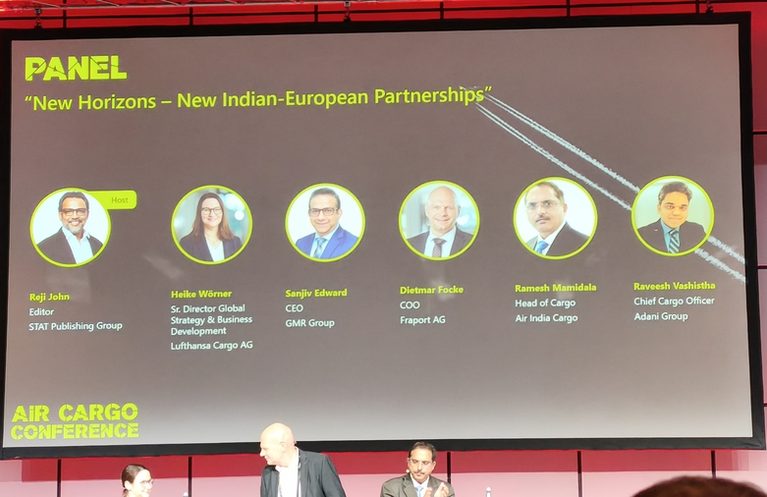
Industrial shift Their collaboration is based on the fact that India is no longer just a huge consumer market but has developed into a provider of high-value, time-sensitive goods – commodities that really drive air cargo. This industrial shift stood at the center of the panel “New Horizons – New Indian-European Partnerships”, which brought together Ramesh Mamidala, Head of Cargo at Air India Cargo; Heike Wörner of Lufthansa Cargo; Sanjiv Edward of GMR Group; Fraport COO, Dietmar Focke; and Raveesh Mohan Vashistha of Adani Group. They discussed why India is becoming one of the most important growth markets in global air freight – and how carriers and airports intend to secure a share of that expansion. India is no longer simply regarded as a huge consumer market. Increasingly, it has developed into a manufacturing and export base for high-value, time-sensitive goods – exactly the type of commodities that drive air cargo. The upturn is evident in the increasing number of flight connections and the growing volumes being flown between the two markets. Given the MoU signed earlier this year between Frankfurt and Bangalore, it came as no surprise that Fraport manager, Felix Toepsch, and his team listed the topic at the top of the agenda of this year’s ACCF event.
Electronics and pharma lead the way For Mamidala, electronics are one of the clearest signs of India’s industrial transformation. The country has massively expanded manufacturing capacity for smartphones, components and other technology products, with electronics exports rising sharply in recent times. This development is particularly relevant for air cargo. Electronics are high-value, relatively lightweight and often time-sensitive. Pharmaceuticals remain another key pillar. India is already firmly integrated into global pharmaceutical supply chains, while engineering goods and chemicals add further potential. Germany is one of India’s most important European trading partners, with Indian merchandise exports to Germany exceeding USD 10 billion in FY 2024/25. According to Mamidala, Air India currently accounts for around 15% of the India-Germany air cargo market. This figure should be understood as the carrier’s own assessment, as no independent public dataset is available for confirmation.
Covid accelerated an existing trend Another key message was that India’s manufacturing transformation had already picked up speed during the Covid-19 phase, but the pandemic clearly accelerated it. India also benefitted from the ‘China-plus-one’ strategy of U.S. and European companies, which invested in production sites outside China to mitigate supply chain risks. This effect pushed exports up, with electronics, pharmaceuticals, and engineering goods gaining weight. All these products have a strong affinity to air freight. Covid therefore acted less as a starting point but primarily as a catalyst for an industrial transition already under way.
Delhi’s cargo hub ambitions India’s vast domestic aviation network could become one of its biggest competitive advantages, was the unanimous opinion of the five speakers. For instance, Air India wants to use Delhi not only as an origin-and-destination airport, but increasingly as a transit hub for shipments coming from production centers such as Chennai, Bengaluru, Hyderabad, Ahmedabad and Mumbai. Until recently, cumbersome domestic-to-international transfer procedures made this difficult. A new transshipment framework which is in the pipeline could change that. On the pilot corridor, Chennai-Delhi-Frankfurt, Air India reported that transfer times fell from 36-48 hours to around five to eight hours. Simultaneously, the average daily cargo volumes more than doubled. If the procedure is rolled out further, Delhi could increasingly compete with hubs such as Dubai, Doha or Istanbul for Indian transit traffic. Delhi already handles more than one million tons of cargo annually, giving it the scale required to build such a hub model.
Frankfurt wants to secure the flow At the European end, Fraport is preparing for stronger India-related traffic. COO Dietmar Focke made it clear that Frankfurt is on its way to positioning itself as the preferred European gateway for cargo flows from and to India. This reflects the increasing competition between major gateways for future freight traffic between India and Europe. The executive said that Frankfurt is in a very competitive position. It offers the market a dense road feeder network, established pharma capabilities, a large and well-working cargo community, complemented by the global network of Frankfurt-based Lufthansa Cargo. He admitted, however, that Amsterdam, Paris, London, Istanbul, and the Gulf hubs are equally interested in the same traffic. For Lufthansa Cargo, the key question is therefore not only how much Indian traffic will grow, but which commodities will drive this growth.
Automotive: India becomes an export base One particularly significant trend is the growing role of India in the global strategies of German carmakers. Take the Volkswagen Group. Headed by Škoda in India, this speaks for India becoming a future export hub for markets in the ASEAN region, the Middle East, Australia and New Zealand. That marks a shift from producing primarily in India for domestic buyers, by targeting markets in the broader Indo-Pacific region. For Germany, the consequences are twofold, panelists said. Producing closer to growth markets can reduce costs, improve competitiveness and secure market share. At the same time, a deeper localization of production, sourcing and engineering could gradually shift parts of the value chain away from German plants and suppliers. The key question is therefore not whether German companies manufacture abroad – which they have done for decades – but how much high-value activity remains in Germany as overseas production ecosystems become more integrated and independent from their parents. From the air freight perspective, localization can generate new traffic since automotive plants require machinery, tooling, electronics, prototypes, urgent supply of spare parts and high-value components. As Indian factories become integrated into global production networks, cargo flows can increasingly move in both directions or between Indian factories and plants in Southeast Asia.
The next growth sectors Aerospace and defense could add another layer to the existing ones. Companies such as Tata and Airbus are increasingly scaling up production activities in India. Both industries are particularly attractive for air freight because parts tend to be high-value, specialized and time-critical. The pending EU-India Free Trade Agreement could further accelerate bilateral trade once implemented, potentially supporting more balanced eastbound and westbound cargo flows. India currently handles around 3.7 million tons of air cargo annually but has ambitions to reach 10 million tons in the longer term. Ambitious plans, but it remains to be seen if this target will be achieved. The main takeaway of the panel is that India is on its way to becoming an industrial heavyweight offering fast throughputs of goods thanks to its airports’ and airlines’ hubbing activities. For Air India, Lufthansa Cargo and Fraport, the business opportunities are substantial, as indicated by the panelists. Therefore, the decisive question is who will secure the largest slice of the growing pie.
The 11th Air Cargo Conference in Frankfurt, which ran from 02-03SEP26, set its spotlight on an industry that is undergoing significant structural change. Over the two days, the discussions focused on market resilience, global trade, digitalization, artificial intelligence, security, automation, and the competitiveness of the European air cargo sector, including Road Feeder Service. At the event, a kaleidoscope of exciting topics was presented, and new developments were outlined by industry experts.
A clear message throughout the conference was that the future of air cargo will not be shaped by a single technology or market trend. Instead, competitiveness will depend on the industry’s ability to combine operational excellence with digital innovation, resilient infrastructure, strong partnerships and highly reliable customer service. At the same time, industry is facing a fundamental challenge: how to increase efficiency and intelligence without creating additional complexity, energy demand or operational dependencies.
According to the Air Cargo Community Frankfurt, approximately 400 participants attended this year’s event – photo: CFG/ak
Highlights
The conference focused on the following key topics:
Trade between India and Germany, and emerging India–Europe partnerships as a growing strategic opportunity with long-term potential.
Innovation pitches demonstrated that AI innovation is becoming an integral part of the air cargo system. These included digitalization and data-driven solutions that deliver measurable operational and commercial value, and practical solutions that can be integrated into daily operations.
Cargo security and premium services with insights from DHL and Fraport, demonstrating the need for close cooperation across the entire supply chain. Customers expect reliability, discretion, professional expert handling and seamless communication in addition to physical security.
Air cargo competitiveness and supply chain resilience and flexibility. Why it is key to respond quickly to changes in global markets, adapting to disruptions and customer requirements.
Ground connectivity and the critical role of trucking, challenges and operational issues inside and outside the airport fence, directly linked to the performance of surrounding infrastructure. Better coordination between all stakeholders is paramount to overcoming existing loopholes.
Data as a competitive asset – a use case demonstrated that data is moving from being a by-product to becoming a strategic asset.
AI is becoming a major opportunity for the air cargo industry but needs clear business objectives, reliable data exchanges, appropriate technology, operational readiness, and measurable ROI. It was one of the strongest topics at the conference.
Another was robotics which is moving from concept to reality. The most promising approach is likely to be human-machine collaboration, rather than simply replacing human labor.
Conclusion
The Cargo Conference Frankfurt 2026 evidenced that industry has reached an important crossroads. Air cargo remains essential to global trade, but the competitive environment is becoming more complex and technology driven. Adverse geopolitical factors such as the Hormuz Strait conflict, which has driven fuel prices to new heights; Russia’s ongoing attack on Ukraine and Putin’s hybrid war against Europe; the Trump administration’s erratic tariff policy; and extreme weather conditions resulting from global warming pose immense challenges for the air freight and logistics industry. Added to this are fundamental changes of the industry through robotics, AI and digitalization. Growing labor shortage across much of Europe, particularly in land transportation, poses another risk for supply chains. This bottleneck is likely to worsen in the coming years because truck drivers don’t grow on trees.
Despite these and other challenges, the general consensus at the event was that against all odds, the aforementioned conditions for Frankfurt and the wider European air cargo market do offer significant opportunities. The reasons for this are Frankfurt Airport’s central geographic location, close-knit regional and intercontinental air networks, an experienced workforce, and opportunities for setting up new warehouses within the airport fence.
The next ACCF – it will be the 12th since Frankfurt’s Air Cargo Community was founded – is scheduled to take place again in early September of next year.
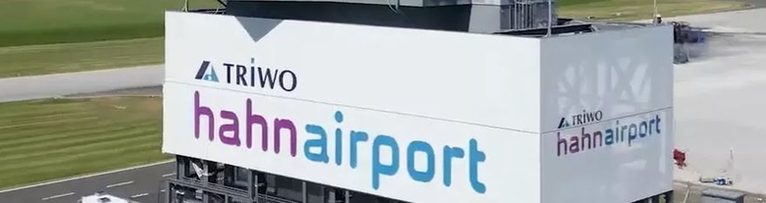
TRIWO Hahn Airport and its former CEO, Rene Steinhaus, have parted ways “by mutual agreement” following the end of his probation period. It is likely to have been one of the shortest tenures of any airport CEO at a German airport, as Steinhaus had only assumed the position on 01APR26. HHN owner TRIWO AG has not yet decided on a successor.
Hahn Airport, located 120 km southwest of Frankfurt, has seen many leadership changes at the highest levels throughout its eventful history. Nevertheless, the departure of CEO, Rene Steinhaus, effective 31AUG26, after only six months on the job, comes as a surprise. This is especially true given that he is no newcomer but has many years of experience in the aviation and transportation industries. He gained this experience in various roles at Fraport AG, Luxembourg Airport and at the Swedish company Einride, a specialist in electric and autonomous truck developments (CFG reported: https://cargoforwarder.eu/2026/03/15/exclusive-steinhaus-to-become-new-ceo-of-hahn-airport) Local sources assured this online portal that a letter from TRIWO’s management to the staff refers to a “mutually agreed separation.” However, this is likely to be just a diplomatic phrase; no further explanation has been given.
The airport operator, TRIWO AG, is looking for a new CEO – illustration: Company courtesy
Traffic stagnation… Insiders claim that Steinhaus failed to acquire a single new passenger or cargo airline during his brief tenure. Others praise his friendly manner but argue that he got bogged down in minor details instead of setting clear priorities for stabilizing the company’s finances. This would include engaging in targeted discussions with key clients such as Ryanair, Wizzair, Egyptair Cargo and others to optimize business relationships. A revival of passenger traffic would have boosted retail and increased revenue from parking fees. The air cargo business also failed to gain real momentum during his tenure as CEO, even though data indicate that tonnage and flight movements rose by about 20% in 01HY26. While 258,640 metric tons were handled in 2021 – mainly due to the many irregular flights resulting from the COVID-19 pandemic – the volume dropped to 106,640 tons last year. Since Steinhaus took the helm at Hahn only this April, he is not responsible for the decline in volumes. But he failed to improve the figures notably, critics claim.
…despite attractive operating conditions HHN is one of the few German airports with a 24/07/365 operating license and has no slot restrictions. This makes the place particularly attractive to cargo airlines preferring flexible takeoff and landing times due to complex operations. There are, however, shortcomings in its marketing efforts, observers say. Steinhaus’s departure from airport management does not create a vacuum at HHN’s top deck as, in addition to airport owner Peter Adrian, two managers – Jan Glockauer and Robert Willems – are legally responsible for the airport’s business activities. However, as they have been heavily engaged in the highly diversified affairs of parent TRIWO AG who acquired Hahn in APR23, neither of them has so far been directly involved in Hahn’s operational activities. An inquiry sent by CargoForwarder Global last Thursday (03SEP26) to TRIWO management regarding the appointment of a new CEO and the stabilization of the airport’s business operations has thus far remained unanswered.
According to credible sources, German security authorities have identified two of the four perpetrators who carried out three drone attacks at Leipzig-Halle Airport. DNA evidence led to this breakthrough in the investigation. On 04AUG26, the four suspects operated three drones in the vicinity of the airport, two of which were loaded with highly explosive materials. The devices did not explode thanks to the courageous intervention of an airport employee and technical malfunctions.
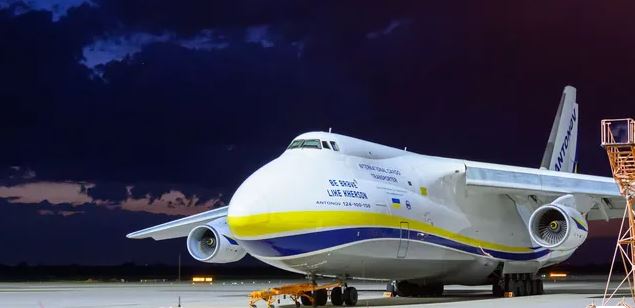
Since Russia’s invasion of Ukraine, Antonov Airlines uses LEJ as its core hub – picture: courtesy t-online
Right after the attempted attack, security experts expressed their belief that Russian sources initiated the hybrid attack. Their reasoning: one of the drones carried a device filled with 600 grams of highly explosive material. It was spotted and neutralized by an airport employee near two AN-124 transport aircraft belonging to Ukraine’s Antonov Airlines, parked on the apron. Further evidence pointing to the drones’ Russian origin was the plastic explosive material “Semtex” – known, to be commonly used be the Russian intelligence service, analyzed by German and foreign experts in specialized laboratories, known to be commonly used by the Russian intelligence service.
Crushing evidence EU Foreign Affairs Commissioner Kaja Kallas has now also publicly emphasized these facts on the sidelines of an EU defense ministers’ meeting in Wicklow, Ireland. There is crushing evidence that Moscow is involved in the explosive-laden drone incident, she said. The EU will determine the final steps to take against Moscow in consultation with the German government.
Meanwhile, German security services have identified two of at least four suspects involved in the Leipzig attack. According to consistent reports from various media outlets, they are a Russian-born individual with a Latvian passport and a Russian passport holder from Belarus. Investigators confirmed they had identified the Belarusian suspect’s DNA on pieces of evidence which enabled them to trace and reconstruct his travel itinerary. According to the findings, he entered the Schengen Area on an Italian visa. The second suspect is said to have played a key role in planning the attack. The mastermind of the assault reportedly landed at BER at the end of July, went on to the state of Saxony, and left Germany just two days before the failed attack.
As the tabloid Bild reports, investigators are searching for other individuals, traces of whose DNA authorities were able to detect, or whose cell phone signals were picked up by nearby cell towers.
Will the counter measures impress Putin? As a result of the drone attack and ongoing hybrid threats, the German government has ordered the closure of the Russian Consulate General in Bonn as of 18SEP26, as well as the Russian House in Berlin. Originally founded to promote cultural exchange, it has, according to intelligence reports, long since been transformed into a spy hub. In addition, the Berlin government has announced that it will add further individuals from Putin’s inner circle or allied organizations to EU sanctions lists and tighten entry controls for Russian nationals. Furthermore, Berlin, together with Brussels, wants to significantly step up pressure on the Russian shadow fleet. Moscow uses a substantial portion of the proceeds from oil sales to finance its war of aggression against Ukraine.
Ultimately, the German government, in consultation with the EU, has decided to significantly increase its military support for Ukraine in its struggle against the Russian militia. Germany is already Ukraine’s strongest supporter, following the U.S.’s withdrawal since Trump took office.
According to Reuters, EU Commission President Ursula von der Leyen described the drone attack in Leipzig as “a new level of escalation on European soil.” She stated that it was an attack carried out by Russian agents using military equipment. Had the attack succeeded, it could have been fatal.
NATO Secretary General Mark Rutte also sounded the alarm, stating that Russia is acting with increasing recklessness. He announced that the EU and NATO would therefore continue to increase pressure on Moscow.
Escalating hybrid attacks The recent drone assaults are part of a series of other attacks or attempted attacks on German institutions and individuals. For example, several executives of major defense contractors were spied on for weeks by informants to create a profile of their movements. They are now under constant police protection. Three attempted attacks on cargo planes operated by the parcel delivery service DHL were orchestrated on behalf of the Russian intelligence service, FSJ. A criminal trial against five suspects involved in the attempts is currently underway in Vilnius, Lithuania. They are accused of planning acts of terrorism and sabotage on behalf of Russian intelligence agencies. According to investigators, the defendants are alleged to have sent disguised incendiary devices via the parcel services DHL and DPD in JUL24 (CFG reported).
The Kremlin responds with threats Moscow reacted immediately to the sanctions imposed by the German government in response to the Leipzig drones and the ongoing hybrid warfare. The Kremlin ordered the closure of the German Goethe Institutes in Russia and announced that it would be taking further measures. Former Russian President Dmitry Medvedev accused Germany of having itself orchestrated the drone attack on Leipzig Airport as an example of its extremely russophobic policy. He denounced the current German government as “neo-Nazis” exclusively serving the interests of Ukraine. He also threatened Berlin with “punishment”. “You deserve a direct strike against all German military technology production facilities,” wrote the Kremlin politician – known for his inflammatory rhetoric – on Telegram.
The drone attack on Leipzig Airport is unlikely to have been the last of its kind on NATO territory.
The answer depends on the criteria used for the ranking. These could include profitability, geographic reach and network footprint, or the brand value that analysts attribute to each logistics provider. From this perspective, there is no clear number one in global logistics. What applies equally to all three, however, is that they are all facing headwinds – to varying degrees – due to U.S.-imposed tariffs, geopolitical tensions, and supply chain disruptions.
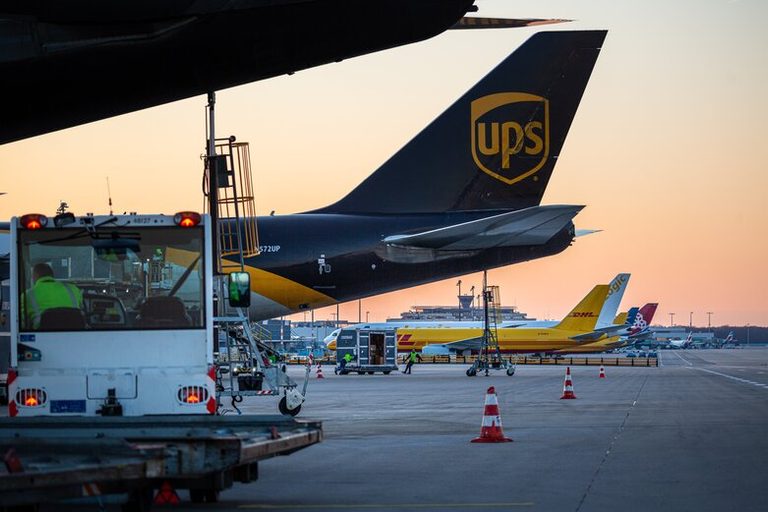
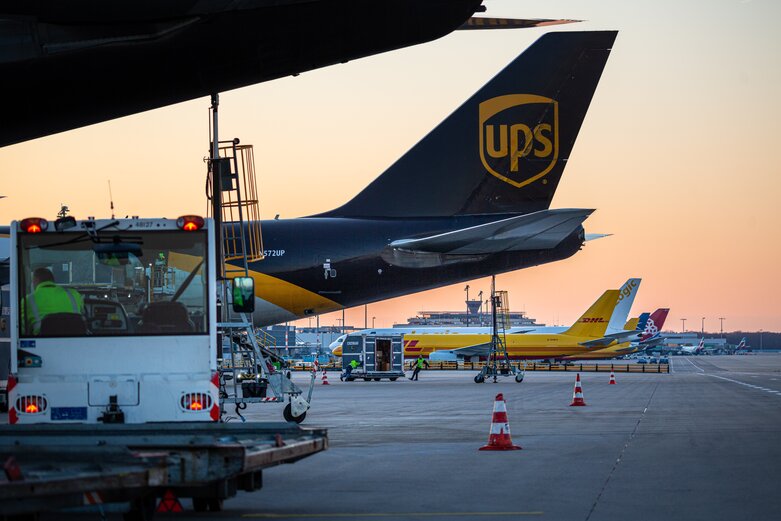
Lineup of freighters at CGN – picture: CFG/hs.
A renowned analyst that constantly keeps a close eye on the logistics industry, is London-based Brand Finance, one of the world’s leading brand valuation consultancies. According to its latest survey, U.S. integrator, UPS was able to defend its position as the most valuable logistics brand in the first half of 2026 – a title it has held continuously since 2015 – despite an 8% dip in brand value since JAN26. The decline stems primarily from the decision made by UPS management two years ago, to reduce its dependency on Amazon, by cutting down more than 50% of Amazon’s shipments since the parcels are high-volume but margin dilutive. The last-mile packages and parcels kept clogging its sorting facilities and generated lower profits than longer-range deliveries.
Profits come first Therefore, UPS was willing to sacrifice its near-term revenue to stabilize its long-term margins. Amazon has been UPS’s largest customer for nearly 30 years and contributes almost 11% of the integrator’s consolidated revenue. Meanwhile, the courier giant aims to focus more on profitable ventures such as healthcare logistics, which generated more than USD 11 billion in the brand’s 2025 revenue.
According to Brand Finance’s latest survey, UPS’s rival, FedEx ranks second in brand value. The company’s sustained performance can primarily be attributed to the success of its cost-efficiency strategy, which has enabled it to weather most of the headwinds facing the U.S. package delivery company and the industry as a whole. The cost-cutting program announced in JUN25, through which FedEx saved USD 5 billion, significantly improved the service provider’s financial situation, followed by a similar savings initiative in MAY26, that reduced costs by an additional USD 1 billion. At the same time, FedEx expanded its revenue channels and solidified its position within the industry as its spin-off brand, FedEx Freight, was established as a new publicly traded company on 01JUN26.
Yet, global presence is just as important In terms of reach, volume of shipments, and local presence, DHL remains clearly ahead of UPS and FedEx. Last year, the Deutsche Post subsidiary generated revenue of USD 96.9 billion (UPS: USD 88.7 billion, FedEx: USD 82.5 billion). DHL runs own stations in 220 countries and is the logistics provider with the highest revenue in its core markets Europe, Asia-Pacific, the Middle East, and Africa. Rivals UPS and FedEx, on the other hand, generate a significantly higher share of their revenue in the domestic U.S. market, where they offer large-scale coverage through their own stations.
Upstarts are knocking on the door However, the current ranking of logistics companies is likely to shift soon, as new heavyweights are emerging in China. Together, SF Express, China Post, and Jingdong Logistics already account for 14% of the sector’s total brand value. Particularly impressive is the upswing of SF Express (brand value: USD 6.3 billion), which has remained steadfast amid industry-wide headwinds this year. This is partly thanks to its partnership with cargo aircraft provider, AIR ONE, which enabled SF Express to expand its routes into Europe and broaden its global network. The partnership also streamlines transit times while supporting rising trade and logistics demand between the Far East and Europe.
Last, but not least, the Danish company, Maersk, and CEVA Logistics from Marseilles/France, must also be mentioned. In addition to their core maritime business, both now operate freighter fleets similar to their direct competitor, MSC from Switzerland. CEVA and Maersk, in particular, are on track to securing a place among the top five largest logistics companies, unless the global economy faces a fundamental crisis.